Certificates

Certificates

How to Choose the Best Fixed Guards Fence from China?

Choosing the best fixed guards fence from China takes more than comparing prices. The right choice depends on the site, the people using it, and the risks it must help manage. Check the fence height, mesh or bar spacing, panel thickness, post design, and gate arrangement against your project requirements. A small detail matters. A weak connection or uneven coating can affect performance long before the fence looks worn.

Security technologist Bruce Schneier offers a useful principle: “Security is a process, not a product.” That idea applies here: a fence works as part of a wider plan, not as a stand-alone promise. When comparing Chinese suppliers, request current drawings, material details, coating specifications, production photos, and a sample where practical. Ask how dimensions are checked and how defects are handled. A neat catalog is not proof. A factory visit or independent inspection may provide stronger evidence, though it adds time and cost. The cheapest quote can be tempting. It can also hide missing installation parts, unclear specifications, or costly freight. Be cautious with broad claims, and confirm details in writing. This guide explains how to compare construction quality, supplier capability, customization, shipping, and after-sales support. Some requirements vary by site, so one specification will not fit every project. That is an easy point to overlook.

How to Choose the Best Fixed Guards Fence from China?

Understand the Purpose and Requirements of a Fixed Guards Fence

How to Choose the Best Fixed Guards Fence from China?

Understand the Purpose and Requirements of a Fixed Guards Fence

A fixed guards fence should match the hazard it is meant to control. Is it separating pedestrians from moving equipment, protecting a loading area, or marking a restricted work zone? Define the risk before comparing panels. Start with the risk. A fence designed for occasional contact may not suit an area where carts or materials regularly strike it.

Measure the actual site. Note floor conditions, aisle width, nearby machinery, and the space needed for maintenance access. Details matter. Guard height, panel openings, post spacing, and anchoring all affect performance. Small openings can help prevent hands or tools from reaching hazards, but they should not obstruct visibility or create difficult cleaning points. These trade-offs are easy to miss on a drawing.

Consider who will use the area and how often the layout may change. A fixed system can provide a stable boundary, yet poor placement may block a useful route or emergency access. Confirm material, surface finish, installation method, and expected impact conditions with the supplier. Request drawings and clear specifications, not just a product photo. Check applicable local safety requirements with a qualified professional; requirements vary by location and use. A tidy specification is useful, but it cannot replace an on-site review. Some details may still need adjustment after installation.

Identify Suitable Fence Materials, Designs, and Specifications

Choosing a fixed guards fence from China starts with the site, not the catalogue. For dry indoor areas, galvanized steel often offers a practical balance of strength and cost. Coastal or frequently washed locations may need stainless steel or a more protective coating. Aluminum is lighter, but check its load data if impact resistance matters. No material suits every site.

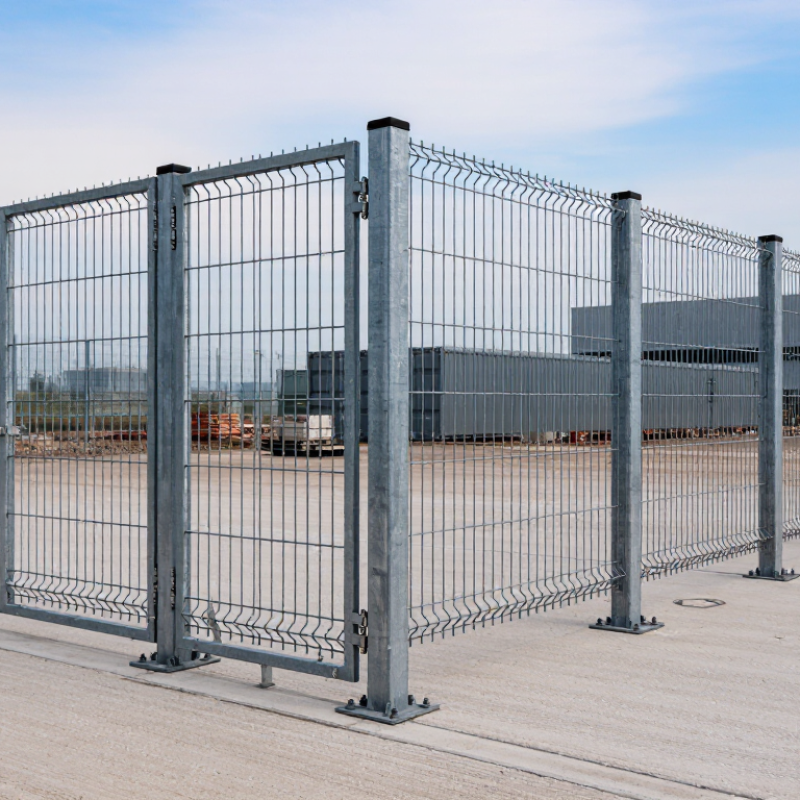
Match the design to the hazard and access needs. Welded mesh allows visibility; solid panels provide more screening. Confirm panel height, mesh opening, wire diameter, post spacing, and fixing method on a drawing. Ask for coating details, dimensional tolerances, and test documents, then compare them with your project requirements. A sample can reveal rough welds or uneven coating. Small details matter. I would not assume that a supplier’s standard dimensions fit your ground conditions; that is an easy oversight.

Tips: Send clear site measurements and photos, including corners and slopes. Request written specifications and confirm packing, inspection steps, and replacement terms before production. Check the corners. A neat drawing still cannot show every installation problem.

Evaluate Chinese Manufacturers and Product Quality

When choosing a fixed-guard fence from China, assess the manufacturer’s engineering process, not just polished export photos. Request drawings, material specifications, weld procedures, inspection records, and traceability documents for each production batch. The International Labour Organization’s 2023 global estimates report 2.93 million work-related deaths and 395 million non-fatal work injuries annually. These figures cover many hazards, not fencing alone, but they underline why guard design and verification deserve serious attention. Ask how the supplier checks dimensions, anchoring points, and openings against your machinery and site conditions. Details matter.

Evaluate samples against the specifications you agreed on. Inspect weld consistency, sharp edges, coating coverage, mesh spacing, and the fit of posts and panels. Ask for documented tests and clarify the test method, load direction, and acceptance criteria; a “passed” label without these details tells you little. ISO 14120 and ISO 13857 provide useful references for guard construction and safety distances, but they do not replace a site-specific risk assessment. A factory audit can reveal whether inspection equipment is calibrated and records are retained. It cannot guarantee every shipment is perfect. I would also check one assembled section before approving bulk production; this step takes time, but skipped checks can cost more.

Compare Pricing, Certifications, Lead Times, and Shipping

How to Choose the Best Fixed Guards Fence from China?

Compare more than the unit price. Request an itemized quote covering fence panels, posts, surface treatment, packaging, and inland delivery. Then compare total landed cost, including freight, insurance, duties, and port charges. A low quote can hide thin steel, less protective coating, or costly packing. Check drawings, wire diameter, mesh size, and coating thickness against the specification. Ask for relevant test reports and verify that any quality certificate applies to the actual factory and product. ISO 9001, for example, concerns a quality management system; it does not certify a fence’s performance.

Lead times need detail. Ask when production starts, how many days fabrication takes, and whether inspection or rework could delay dispatch. The World Bank’s 2023 Logistics Performance Index evaluates customs, infrastructure, and timeliness, reminding buyers that delivery depends on more than factory speed. UNCTAD reports that over 80% of global trade in goods by volume moves by sea, so route capacity and port conditions matter. Get the proposed shipping route, container plan, and estimated arrival window in writing. Treat estimates as estimates.

Tips: Request a dated production schedule and photos of packed goods. Compare the same specifications across suppliers. Small detail. It matters. If a certificate or shipping promise sounds vague, ask for evidence before paying a deposit.

How to Choose the Best Fixed Guards Fence from China?

Compare the sourcing timeline alongside price, certification requirements, and shipping terms. The chart shows indicative planning ranges in calendar days; actual timing depends on the product specification, order size, factory schedule, destination, and shipping route.

What to compare: Request comparable quotations based on the same fence dimensions, material, finish, quantity, packaging, and Incoterm. Ask which costs are included, such as tooling, packing, and inland transport. Confirm which documents are available and whether they meet your destination market’s requirements; ISO 9001, for example, is a quality-management-system certification, not product approval. Ocean transit time is route-dependent, and the estimate shown is not a delivery guarantee.

Planning estimates only—not supplier quotes or guaranteed lead times. Confirm current production schedules, certificates, and freight timings before placing an order.

Select a Supplier and Confirm the Final Order Details

Before paying a deposit, ask the supplier for a dated drawing showing panel height, mesh opening, wire diameter, post spacing, and fixing points. Confirm the steel grade, coating type, and coating thickness in writing; “galvanized” alone is not a complete specification. Request recent inspection records, material certificates, and photos of packed goods. Useful, but not proof by themselves. A third-party pre-shipment inspection can check dimensions, welds, coating, and quantity against the approved sample.

Clarify the final order details line by line: quantity, unit price, packaging, delivery term, lead time, spare parts, and remedies for defects.

The U.S. Bureau of Labor Statistics recorded 5,283 fatal work injuries in 2023, across all industries; this figure does not measure fence performance, but it underlines why safety equipment should be specified carefully.

For fixed guards, ask how the proposed layout limits access to moving machinery and how panels can be removed for maintenance. Get the answer in writing.

One detail buyers sometimes overlook is replacement compatibility: a slightly different post spacing can complicate future repairs. I would check it twice.

Then approve a final drawing and keep it with the purchase order.