How to Choose the Best PDU Outlet for Your Business Needs?
Choosing the right PDU outlet for your business isn't just about functionality. It's also about efficiency and maximized performance. Industry expert, John Smith, highlights this by saying, "The correct PDU outlet can transform your power management strategy." Understanding what makes a PDU outlet suitable is crucial for any organization.
When selecting a PDU outlet, consider your specific needs. Different businesses have different requirements for power distribution. Some may need advanced features like remote monitoring. Others might prioritize affordability. It's essential to evaluate your existing infrastructure and future growth.
Moreover, reflect on the reliability of your choices. Some brands may promise high performance but deliver inconsistent results. In an environment where downtime can lead to significant losses, carefully vetting options is vital. Your PDU outlet is more than just a tool; it’s a key element in safeguarding your operations.
Understanding the Different Types of PDU Outlets Available
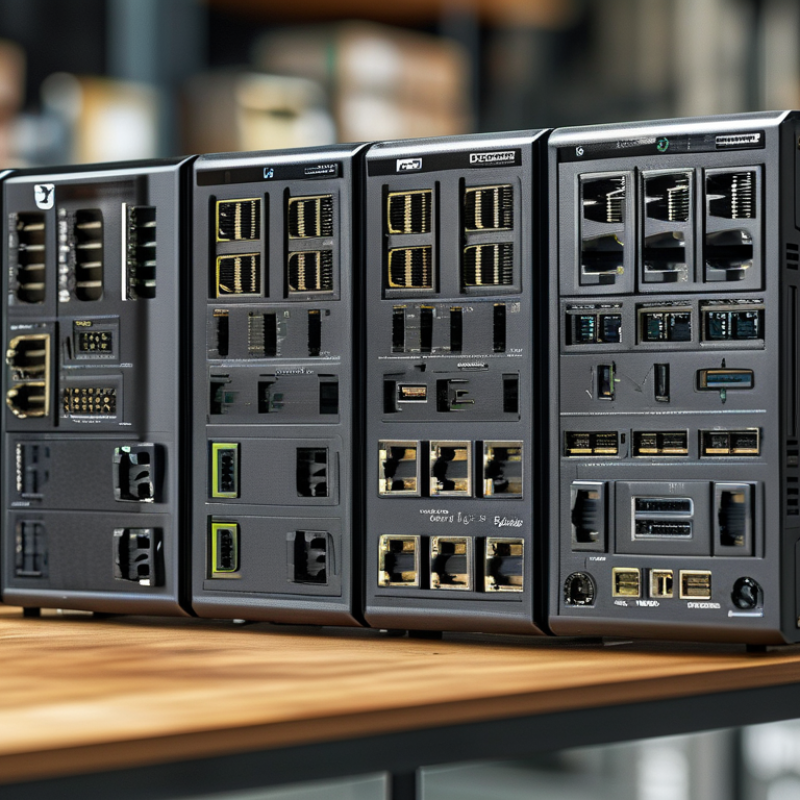
When selecting a PDU outlet for your business, it's crucial to understand the various types available. PDUs, or Power Distribution Units, come in different shapes and functionalities. Each type serves specific needs, which can greatly impact your operations.
Basic PDUs provide standard outlet configurations, ideal for simple setups. They offer no additional features but are reliable for essential power distribution. On the other hand, intelligent PDUs have built-in monitoring capabilities. They can track energy usage and alert users about power fluctuations, which is vital for maintaining system health.
Some PDUs focus solely on specific environments. For example, rack-mounted PDUs fit seamlessly into server cabinets. These are perfect for data centers with high-density equipment. Conversely, portable PDUs allow for flexibility in power needs, but it’s essential to consider their limitations. The choice of a PDU outlet should reflect your specific requirements. Each option has its strengths and weaknesses, and understanding these can prevent costly mistakes.
How to Choose the Best PDU Outlet for Your Business Needs?
| PDU Outlet Type | Description | Best Used For | Number of Outlets | Maximum Load |
| Basic PDU | Offers direct power to connected devices without features. | Simple installations and basic server needs. | 8-12 outlets | Up to 15A |
| Smart PDU | Includes monitoring and management features. | Data centers needing energy monitoring. | 12-24 outlets | Up to 30A |
| Metered PDU | Provides real-time usage data with monitoring interface. | Monitoring power consumption per outlet. | 8-20 outlets | Up to 20A |
| Switched PDU | Allows for individual outlet control and rebooting. | Remote management and control of IT equipment. | 12-24 outlets | At least 16A |
Evaluating Power Capacity Requirements for Your Business
When evaluating power capacity requirements for your business, it's crucial to assess your current and future energy demands. Start by identifying all devices that will connect to the Power Distribution Unit (PDU). Consider servers, networking equipment, and any critical infrastructure. Each device has a specific power rating, so calculating the cumulative wattage is vital.
Next, think about potential growth. Will your organization expand in the coming years? If so, allow room in your calculations for additional equipment. A common mistake is underestimating future needs, leading to power shortages.
Finally, consider redundancy. A single failure can disrupt operations. Choose a PDU capable of supporting dual power sources for critical systems. This approach increases reliability. By focusing on these aspects, you ensure your PDU simultaneously meets current needs and anticipates growth. Regularly reassess these factors as technology and company requirements evolve.
Assessing the Importance of Outlet Location and Accessibility
When choosing a Power Distribution Unit (PDU), outlet location and accessibility can significantly impact your operations. Studies reveal that nearly 58% of businesses experience downtime due to poor power management. Therefore, analyzing where the outlets will be installed is not just a technical consideration; it’s crucial for operational efficiency.
Convenient access to outlets can reduce the time technicians spend on troubleshooting. Employees can easily connect devices, minimizing disruptions. According to a survey by the Data Center Journal, 62% of data center managers cited outlet accessibility as a priority for efficient workflows. If outlets are positioned poorly, organizations may face added frustration and productivity loss.
Moreover, consider the layout of your space. Inadequate planning can lead to overcrowded areas or haphazard cabling. Inadequate spacing not only creates safety issues but also can lead to increased maintenance costs. Remember, only 45% of companies report satisfaction with their current PDU location strategy. This dissatisfaction suggests a need for reevaluation and adjustment based on specific needs and infrastructure.
Considering Network and Data Connection Features in PDUs
When selecting a Power Distribution Unit (PDU), network and data connection features are crucial. A good PDU does more than deliver power; it supports network performance. Look for PDUs that offer Gigabit Ethernet and data monitoring capabilities. This allows your business to track energy consumption and network health. An effective PDU increases operational efficiency.
Consider the layout of your data center when choosing a PDU. The physical connections should align with your equipment placement. Would a vertical or horizontal mounting serve you better? Attention to detail is essential here. Some PDUs provide both options. Evaluate your wiring needs thoroughly. By doing so, you can avoid future frustrations.
Don’t overlook the importance of redundancy. Think about what happens during a power failure. It’s wise to choose a PDU with backup features. Some models allow for dual power inputs. This can enhance reliability. Reflect on your organization's growth potential too. Your PDU should accommodate future expansions without compromise. Always weigh these factors carefully before making your decision.
Power Distribution Unit (PDU) Outlet Types and Their Popularity
Reviewing Safety Standards and Compliance for PDUs
When selecting a PDU outlet for your business, safety and compliance play key roles. PDUs must adhere to strict safety standards set by organizations such as UL and IEC. These standards ensure that devices can safely distribute power without overheating or causing electrical hazards. In 2022, the National Fire Protection Association (NFPA) reported that electrical failures were responsible for 44% of non-residential fires. Choosing a compliant PDU can significantly reduce such risks.
It is essential to review the ratings and certifications of PDUs. Look for units that meet or exceed applicable ANSI and IEC standards. Proper grounding and surge protection are critical features. Reports indicate that surge protection can reduce equipment damage by up to 90%. Not all PDUs offer the same level of safety. Research and compare the features thoroughly.
Tips: Always check the product specifications. Ensure the PDU can handle the total load of your equipment. Opt for models with built-in monitoring; this provides insights into power consumption. Stay informed about updates in safety regulations to maintain compliance. Regular maintenance and inspections can prevent unforeseen safety issues.


 © Copyright 2020 Tianjin Tanghaidongyang Valve Co., Ltd. All Rights Reserved.