How to Choose the Best Water Hose Connector in 2026?
Choosing the best Water Hose Connector in 2026 requires more than checking a package label. A connector may look sturdy in a store, yet leak beside a greenhouse bed after repeated use. Thread size, hose diameter, water pressure, temperature, and material all affect performance. Brass handles demanding outdoor work well, while reinforced plastic can offer lighter handling and lower cost. Still, cheaper parts may crack after winter exposure or rough installation.
Small details matter. A reliable connector should fit tightly without forcing the threads. Its washer should remain flexible, not flattened or brittle. Quick-connect systems save time, especially when switching between a spray gun, sprinkler, and pressure washer. However, convenience can hide compatibility problems. One brand’s fitting may not seal perfectly with another brand’s adapter. Measure carefully. Test slowly.
This guide examines practical choices for home gardens, cleaning tasks, irrigation lines, and heavier outdoor applications. It considers durability, leak resistance, grip, installation effort, maintenance, and long-term value. Recommendations are based on common user experiences, product specifications, and realistic handling conditions. No connector is perfect. Even a well-rated model can fail when exposed to freezing water, cross-threading, or excessive pressure. The goal is not to find the most expensive option. It is to find a dependable match for your hose, tools, water supply, and daily habits in 2026.
What Is a Water Hose Connector and How Does It Work?
How to Choose the Best Water Hose Connector in 2026?
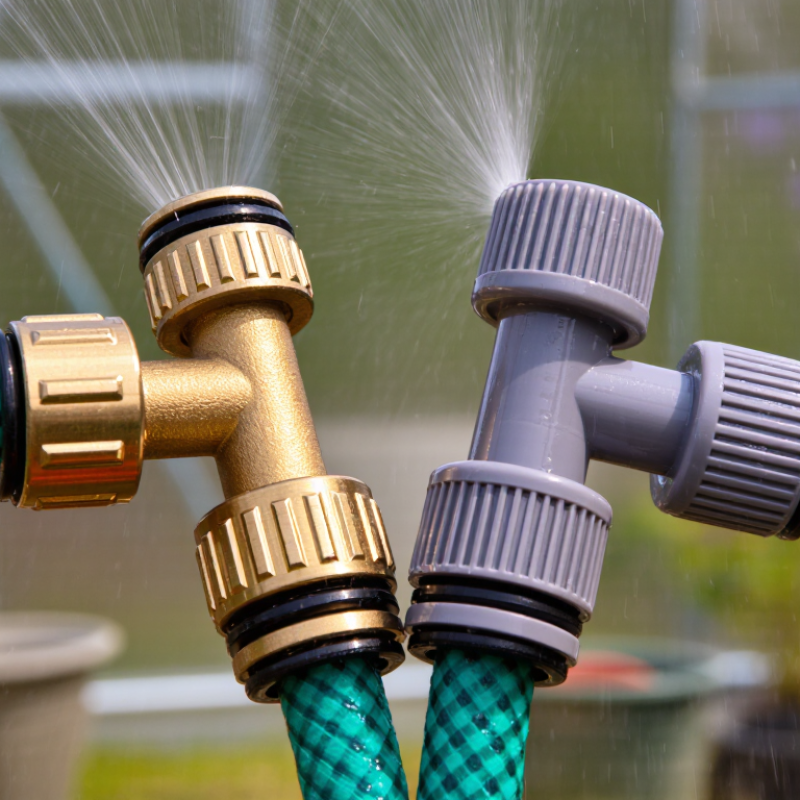
A water hose connector joins a hose to a tap, spray tool, filter, or another hose. Its job sounds simple, but small design differences affect water flow and reliability. Most connectors use threaded ends, sealing washers, or quick-release sleeves. When tightened, the washer presses against the outlet and blocks escaping water. The connector itself does not create pressure. It transfers pressure through a sealed passage.
In practical use, match the connector size and thread type before buying. Check the hose diameter, outlet shape, and intended water pressure. A metal body usually handles frequent outdoor use well, while reinforced plastic can be lighter and easier to handle. I once tightened a connector too firmly and damaged the washer. That mistake caused a slow leak that appeared only after several minutes. Hand-tightening is often enough, followed by a small adjustment with suitable tools.
Tips: Inspect the washer before every installation. It should feel flexible, not brittle or flattened. Push the hose fully onto a barbed fitting, then secure it with a proper clamp. For quick-connect models, listen for a clear click and gently pull the hose afterward. Open the tap slowly and watch the joint for thirty seconds. A dry connection is a useful test. Recheck it later, because temperature changes and movement can loosen parts. Pay attention to confusing thread standards; they may look similar but fail to seal correctly.
Which Connector Materials and Types Suit Different Applications?
Choosing a water hose connector starts with the application, not appearance. I have found that brass suits high-pressure garden lines because it resists impact and repeated tightening. However, brass can be heavy and may develop surface corrosion in coastal air. Stainless steel handles salt, fertilizer residue, and outdoor exposure better. It costs more, but replacement work is usually harder than expected.
Plastic connectors are lighter and affordable. Reinforced nylon works well for sprinklers, balconies, and low-pressure watering. Ordinary plastic may crack after winter freezing or rough handling. A 2024 U.S. Environmental Protection Agency report notes that household leaks can waste more than 9,000 gallons of water annually. A poor seal can quietly create that waste. Use a rubber washer, inspect the threads, and avoid forcing mismatched fittings.
Thread type matters as much as material. Quick-connect couplers save time during frequent tool changes, while threaded adapters provide stronger, more stable connections. For drinking-water applications, select components marked for potable use and verify applicable safety standards. The 2023 WHO and UNICEF Joint Monitoring Programme report found that 2.2 billion people lacked safely managed drinking water in 2022, so material safety deserves more attention than convenience. I once assumed metal always meant reliability. That was too simple. Check pressure, temperature, water chemistry, and storage conditions before choosing.
Which Features Improve Durability, Water Flow, and Leak Prevention?
Choosing a water hose connector in 2026 requires more than checking its size. I have found that reinforced metal or high-grade polymer bodies survive repeated bending better than thin plastic. A connector should feel solid, but not excessively heavy. Look for corrosion-resistant materials, especially if the hose stays outdoors. UV exposure can make cheap fittings brittle within one season.
Water flow depends on the internal passage, not only the connector’s outside diameter. A wide, smooth channel reduces pressure loss and helps sprinklers work evenly. Thread accuracy also matters. Poorly cut threads may connect easily, yet leak under pressure. A replaceable rubber washer creates a tighter seal, while an O-ring can protect rotating joints from dripping. Quick-release sleeves are useful, but they should lock firmly and resist accidental movement.
I usually test a new connector at low pressure first. Then I check every joint with dry fingers and a cloth. Tiny moisture marks often reveal a problem before visible dripping begins. A flexible strain-relief section can reduce stress where the hose meets the fitting. However, flexibility alone does not guarantee durability. I once trusted a soft connector that cracked after winter storage. That mistake changed my buying habits. Select the correct thread standard, inspect the sealing surfaces, and avoid forcing mismatched parts together. Even a well-made connector may leak when the washer is twisted or missing.


 © Copyright 2020 Tianjin Tanghaidongyang Valve Co., Ltd. All Rights Reserved.