How to Choose the Best Water Oxygen Meter?
Choosing the best Water Oxygen Meter requires more than comparing prices or screen sizes. Dissolved oxygen affects fish health, wastewater treatment, aquaculture performance, and natural water studies. A dependable meter should deliver stable readings when conditions change quickly. In a clear pond, for example, oxygen levels may differ between the surface and muddy bottom. Temperature, salinity, water movement, and sampling depth can also influence the result.
Accuracy matters, but practical design matters too. A professional user should examine the sensor type, measurement range, response time, calibration process, and temperature compensation. Optical probes often require less maintenance, while electrochemical probes may offer familiar operation and lower initial costs. Neither option is perfect. Each has weaknesses that become visible during regular fieldwork. A technician working beside a fish tank may value fast readings, while a laboratory user may prioritize repeatability and data logging.
Small details can prevent large errors. A waterproof housing, readable display, replaceable probe, and strong cable can improve daily performance. Look for clear calibration instructions and accessible technical support. Independent test results, recognized quality systems, and transparent manufacturer specifications provide stronger evidence than advertising claims. However, even a respected brand cannot replace careful sampling habits. Rinse the probe, remove air bubbles, and allow the reading to stabilize before recording it.
This guide explains how to compare Water Oxygen Meter features, operating costs, and measurement reliability. It also considers real working conditions, not only ideal laboratory environments. The right choice should match your water type, testing frequency, user experience, and maintenance capacity. A thoughtful decision begins with honest limits.
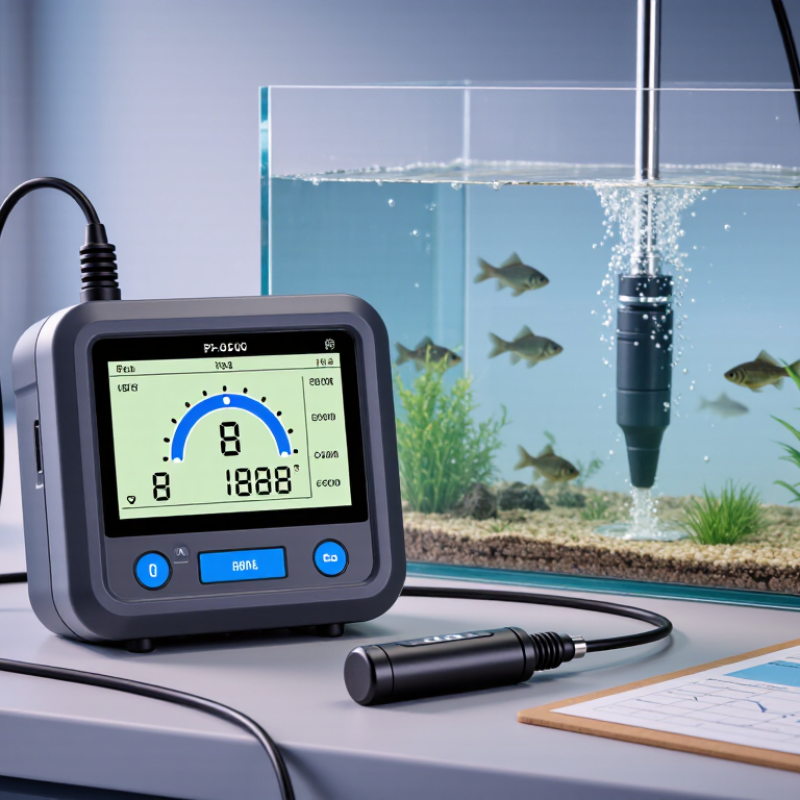
Understanding What a Water Oxygen Meter Measures
A water oxygen meter measures dissolved oxygen (DO), not the oxygen in air above the water. It reports oxygen concentration, usually in milligrams per litre, and often shows saturation percentage. Temperature, atmospheric pressure, salinity, and elevation affect these readings. A cold stream may hold more oxygen than a warm pond, even when both look equally clear.
The USGS National Field Manual recommends checking temperature and calibration conditions during field measurements. APHA’s Standard Methods also recognises optical and membrane-based techniques for DO testing. These methods can produce different maintenance needs. Optical sensors usually reduce membrane handling, but they still require clean sensor caps and regular verification.
In coastal monitoring, NOAA commonly identifies DO below 2 mg/L as hypoxic, while many aquatic-life guidelines use approximately 5 mg/L as a protective reference. These values are useful, not universal. Local species and regulations matter.
Tips: Calibrate near the sampling temperature. Record salinity, pressure, time, and water depth. Do not trust one number blindly. Take readings at the surface and near the bottom, especially in ponds or tanks. A meter may display 8 mg/L, yet poor mixing can hide oxygen depletion a few centimetres lower. I have found that rushed sampling creates more uncertainty than an older instrument. Recheck unstable values, inspect bubbles on the probe, and compare results with visible conditions, weather, and recent aeration. The measurement becomes meaningful only when its surroundings are documented.
Identifying the Right Meter for Your Water Testing Needs
Choosing the right water oxygen meter starts with your testing environment, not the instrument’s appearance. A freshwater pond, aquaculture tank, wastewater outlet, and coastal station require different specifications. For routine field sampling, select a meter that measures dissolved oxygen in mg/L and percentage saturation. Automatic temperature compensation is essential because oxygen solubility changes with temperature. Salinity compensation also matters in estuaries and seawater.
The measurement range should match your site. NOAA’s 2024 Gulf of Mexico Hypoxia Forecast predicted a low-oxygen zone of about 5,827 square miles, showing why reliable readings matter in coastal monitoring. The USGS National Field Manual identifies dissolved oxygen as a core field parameter for assessing water conditions. Optical sensors usually need less membrane maintenance, while electrochemical sensors can be practical for frequent measurements. Calibration still matters.
Do not ignore usability.
Choose a model with clear calibration prompts, stable readings, replaceable sensing parts, and suitable waterproofing. Data logging can reveal oxygen drops before visible stress appears in fish or plants. In practice, a highly precise meter may be inconvenient if its sensor requires frequent cleaning. I would test the instrument in water similar to the target site before purchasing. That step is often skipped, and it can expose slow response times, poor cable handling, or unreliable readings at low oxygen levels. Always compare results with recognized procedures, such as APHA Standard Methods for dissolved oxygen testing.
Comparing Key Features, Accuracy, and Measurement Methods
How to Choose the Best Water Oxygen Meter?
Choosing a water oxygen meter starts with the measurement method. Optical sensors measure luminescence quenching, while electrochemical probes use a membrane and electrolyte. ISO 5814:2012 recognizes both approaches for dissolved oxygen testing. Optical systems usually need less maintenance and do not consume oxygen during measurement. Electrochemical probes can respond quickly, but membrane condition and electrolyte quality affect results. That difference matters in a slow-flowing sampling bottle.
Accuracy also depends on temperature, pressure, salinity, and calibration. The USGS National Field Manual notes that dissolved oxygen changes strongly with temperature. Freshwater holds approximately 9.1 mg/L at 20°C, but only about 7.6 mg/L at 30°C under standard pressure. A meter showing “high accuracy” cannot correct poor sampling technique. APHA Standard Methods 4500-O recommends calibration checks and careful handling to reduce atmospheric exposure. In practice, I record water temperature and barometric pressure beside every reading. Still, one measurement can mislead.
Tips
Check the stated accuracy across your expected range, not only near saturation. Confirm whether the instrument compensates for temperature, salinity, and pressure. For field work, choose a durable probe with replaceable sensing parts and a clear calibration log. Test it against a known reference regularly. This is easy to neglect. A failed membrane may produce believable numbers, which makes routine verification essential.
Checking Calibration, Maintenance, and Operating Conditions
How to Choose the Best Water Oxygen Meter?
A reliable water oxygen meter begins with dependable calibration. Check whether the instrument supports air-saturated water or another approved reference method. The procedure should match the manufacturer’s technical guidance. Record the date, temperature, pressure, and calibration result. These details help identify gradual measurement drift. A meter that calibrates quickly may still produce unstable readings. Watch the value for several minutes. If it keeps moving, investigate before testing samples.
Maintenance affects accuracy more than many buyers expect. Inspect the sensor cap, membrane, cable, and connector before each field visit. Remove algae, sediment, and salt deposits with suitable cleaning materials. Never scrape the sensing surface. Replace damaged membranes or exhausted electrolyte promptly. Optical sensors also need clean windows. Small contamination can create large errors in shallow water. Keep a maintenance log. It reveals patterns that memory often misses.
Operating conditions can change the result. Water temperature, salinity, altitude, pressure, and movement all influence dissolved oxygen readings. Confirm that the meter compensates for these factors correctly. Test samples at their actual temperature whenever possible. In stagnant water, gently move the probe or follow the required flow rate. Excessive movement may introduce bubbles. Bubbles are misleading. Highly turbid or biological samples may require repeated measurements and careful probe cleaning. A practical choice is not always the most expensive one. It is the meter that remains stable under your real conditions, with procedures your team can perform consistently.
Choosing a Reliable Meter Within Your Budget
How to Choose the Best Water Oxygen Meter?
Choosing a reliable dissolved oxygen meter starts with the budget, not the display. The U.S. Geological Survey explains that dissolved oxygen changes with temperature, salinity, pressure, and biological activity. A low-cost sensor may appear suitable in a cool pond, then drift in warm, moving water. For routine checks, prioritize automatic temperature compensation, a replaceable probe, and a clear calibration process. ISO 5814:2012 and APHA Standard Methods 4500-O recognize electrochemical and optical approaches, but neither removes the need for proper sampling.
Look beyond the purchase price. Electrochemical probes often require membrane or electrolyte maintenance. Optical probes usually reduce routine servicing, but replacement sensing caps can be expensive. Check the full two-year cost. Include calibration solutions, spare parts, batteries, and service time.
Small details matter. A meter rated for field use should resist water exposure and record readings with time and temperature.
The U.S. Environmental Protection Agency notes that dissolved oxygen criteria vary by aquatic environment, so a fixed “safe” number can mislead. Many freshwater assessments use about 5 mg/L as a practical reference, but local standards may differ.
I would question any meter that gives stable readings without showing calibration history. That stability may be real—or simply unnoticed error. Test it against a known method before trusting the number.


 © Copyright 2020 Tianjin Tanghaidongyang Valve Co., Ltd. All Rights Reserved.