How to Choose the Right Carbon Fiber Sheets?
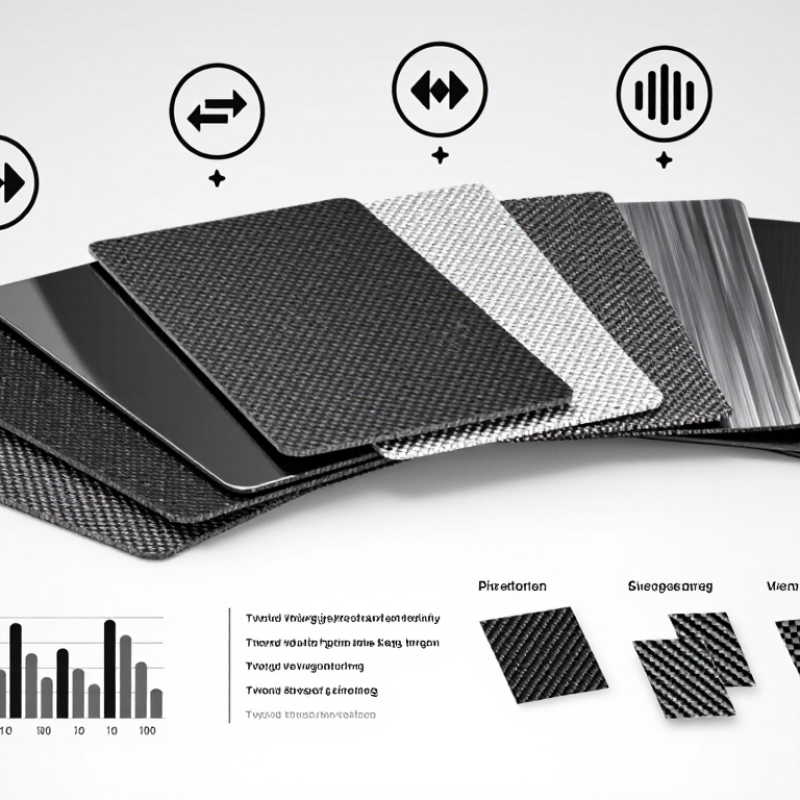
Surface finish, compatibility, and environmental exposure can matter as much as sheet thickness. A glossy surface may suit visible panels, but it does not prove the sheet is stronger or bond-ready. For adhesive joints, check the manufacturer’s surface-treatment guidance and test a small sample with your chosen adhesive. Dust, release agents, and coatings can weaken the bond.
Easy to miss.
Also check whether the sheet’s resin system tolerates your operating temperature and chemicals. A panel near a warm motor may need different specifications from one used indoors.
Compatibility includes the parts touching the sheet. Carbon fiber can promote galvanic corrosion when electrically connected to metals such as aluminum, especially when moisture is present. Use an appropriate insulating layer and consider edge sealing. For outdoor use, ask about UV protection, water exposure, and temperature cycling; do not assume a clear finish provides lasting protection.
A 2011 life-cycle assessment by S. Das in The International Journal of Life Cycle Assessment estimated carbon-fiber production energy at about 183–286 MJ per kilogram, depending on the process. That figure makes service life and material waste worth considering.
Choose a finish and layup that meet the actual job, not just the appearance you want. I would still verify test data for the specific sheet, because published averages cannot predict every resin, finish, or manufacturing batch.



 © Copyright 2020 Tianjin Tanghaidongyang Valve Co., Ltd. All Rights Reserved.