How to Choose the Right Chain Link Fence Mesh?
Choosing the right chain link fence mesh starts with the job it needs to do. A garden boundary, sports court, and equipment enclosure place different demands on the same basic material. Before comparing products, consider the fence’s location, expected use, and exposure to weather. A mesh that works well around a backyard may not suit a busy commercial site.
Look closely at opening size, wire thickness, and coating. Smaller openings can make it harder to reach through, while heavier wire may offer greater resistance to bending. Neither feature alone guarantees a stronger fence; posts, fittings, installation, and overall design matter too. Galvanized steel is a common choice, while vinyl-coated mesh adds a colored outer layer. In damp or coastal settings, ask suppliers how the coating is specified and maintained. Details matter.
A practical comparison should include measurements, product documentation, and the site conditions—not just the lowest price. Check that the mesh dimensions match the planned posts and fittings, and confirm what is included in the quoted product. If animals, children, or specific security concerns are involved, explain those needs to a qualified fencing professional before buying. Their advice should reflect the actual site, not a generic sales claim. It can be easy to overlook a slope, gate opening, or exposed corner until installation begins. Choosing well takes a little reflection, and sometimes the first estimate needs a second look. This guide explains how to assess the options and choose chain link fence mesh that fits your project.
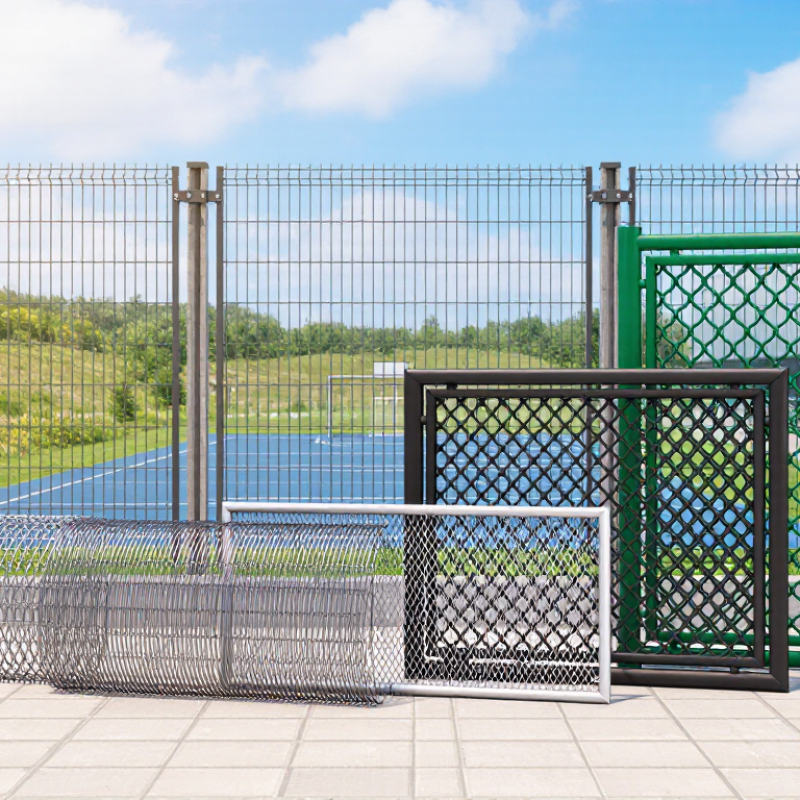
Identify the Fence’s Purpose and Required Security Level
Before choosing chain link fence mesh, define the job it must perform. A garden boundary may only need to keep pets from wandering. A storage yard may need stronger resistance to climbing or cutting. Think about who or what the fence is meant to deter, and what it must contain. Also note nearby gates, uneven ground, and places where a person could step over or around the fence. Mesh alone cannot provide security.
Then match the mesh opening and wire thickness to that purpose. Smaller openings can make footholds harder to use, while heavier wire can be more difficult to cut. But these features add cost and may not solve weaknesses in posts, gate latches, or installation. Measure the site and consider how much visibility and airflow you need. A highly secure design may feel excessive for a quiet garden; that judgment can change after you see the site at night.
Tips: Write down the main risk before comparing mesh. Check the gate and fence edges, not just the center panels. If you are unsure, ask an experienced installer to assess the location. That extra check may feel fussy, but it can prevent a poor fit.
Measure the Area and Determine the Mesh Dimensions
01 Measure the fence line
Measure the fence line before choosing mesh. Walk the perimeter with a tape, marking corners, gates, and changes in slope. Record each straight run separately; one long estimate can hide several inches of error. For an irregular area, sketch the boundary and add the run lengths. Then measure the planned fence height, not just the open ground. A sloped section may need stepped panels or a closer fit to the terrain.
I would remeasure the longest side. It is easy to miss a bend.
02 Define mesh size
Next, define mesh size as the opening between wires, and match it to the job’s needs. ASTM F668-18, a specification for polymer-coated chain-link fabric, includes mesh openings from 3/8 inch to 2 inches. Smaller openings can limit access through the mesh, while larger openings are often chosen where visibility matters more. Check the specification and actual product dimensions before ordering; nominal measurements may not capture every detail. Leave room in your calculation for posts, terminal fittings, and gate widths, rather than treating the whole perimeter as fabric.
Measure twice. A rushed estimate can leave an awkward gap.
Compare Wire Gauge, Mesh Size, and Coating Options
How to Choose the Right Chain Link Fence Mesh?
Compare Wire Gauge, Mesh Size, and Coating Options
Wire gauge, opening size, and coating work together. A lower gauge number usually means thicker wire, which can feel sturdier and resist bending better. But thicker wire also adds weight and cost. Mesh size describes the openings between wires. Smaller openings can make it harder to reach through, while larger openings may suit boundaries where visibility matters. Check how the supplier measures the opening; stated dimensions are not always presented the same way.
Tips: Compare actual samples, not just numbers on a quote. Hold a tape measure to the mesh, and inspect the coating around cut edges. Galvanized finishes help protect steel from corrosion. PVC-coated mesh adds a polymer layer and can change the fence’s appearance. In damp or coastal settings, ask how the wire and coating are protected, and follow the manufacturer’s installation guidance.
Match the mesh to the job. A garden boundary may not need the same wire thickness as a fence exposed to frequent contact. Smaller openings can also catch more leaves and debris. That detail is easy to overlook. There is no perfect specification; it is tempting to focus on strength alone, but visibility, maintenance, and budget matter too. Compare complete specifications before choosing.
How to Choose the Right Chain Link Fence Mesh
Compare wire gauge, mesh size, and coating options to match your fence to its intended use.
Wire gauge: A lower gauge number means thicker wire. The bars show approximate nominal steel wire diameters; actual dimensions may vary by specification.
Mesh size: Common openings include 2 in, 1¾ in, and 1¼ in. Smaller openings provide a tighter barrier and are better suited to containing smaller animals.
Coating: Galvanized zinc coating helps protect steel from corrosion. Vinyl or PVC-coated mesh adds a polymer outer layer, often over galvanized wire. Check the product specification for coating type and corrosion-protection requirements.
Assess Installation Needs and Long-Term Maintenance
Before choosing chain link mesh, map the fence line and note gates, corners, slopes, and nearby plants. Mesh opening and wire gauge affect both installation effort and daily performance. Smaller openings can discourage small animals and reduce handholds, but they add weight and may take longer to tension evenly. Thicker wire is generally more resistant to bending, though it can be harder to cut and handle. Check post spacing and the tensioning method against the mesh specifications; a roll that looks right in a catalog may not suit a sharply sloped run. Measure twice. Slopes often expose planning gaps.
Long-term upkeep starts with the site, not the product label. Near sprinklers or coastal air, inspect for coating damage and early rust, especially at cut ends, ties, and hardware. Keep soil, leaves, and vines from pressing against the lower edge; trapped moisture can hide corrosion and make repairs harder. After storms, check that posts remain plumb and the mesh has not loosened around corners or gates. Choose a finish and wire thickness that fit the exposure and your willingness to inspect them. I sometimes overvalue a tougher specification; on a sheltered yard, it may add cost without solving a real problem. A simple yearly check is easy to skip, but small repairs are usually less disruptive than replacing a sagging section.



 © Copyright 2020 Tianjin Tanghaidongyang Valve Co., Ltd. All Rights Reserved.