2026 How to Choose the Right Oil Storage Bladder for Your Needs?
In the oil storage industry, selecting the appropriate Oil Storage Bladder is vital for operational efficiency. According to the Global Market Insights report, the oil storage market is expected to reach $11 billion by 2026. This highlights the increasing reliance on effective storage solutions. An industry expert, Dr. Sarah Thompson, states, "Choosing the right bladder can significantly impact safety and cost management."
Oil Storage Bladders offer flexible storage capacity and are essential for various applications. They are designed to withstand environmental challenges and provide valuable safety features. When considering your needs, factors like size, material, and location must be prioritized. Failing to account for these aspects can result in inadequate performance or safety issues.
Despite significant advances in bladder technology, many storage solutions remain underutilized. Organizations often overlook critical specifications, leading to mismatched expectations. Proper evaluation of needs ensures that the chosen Oil Storage Bladder meets both current and future requirements. This can be a complex process, but it's essential for long-term success.
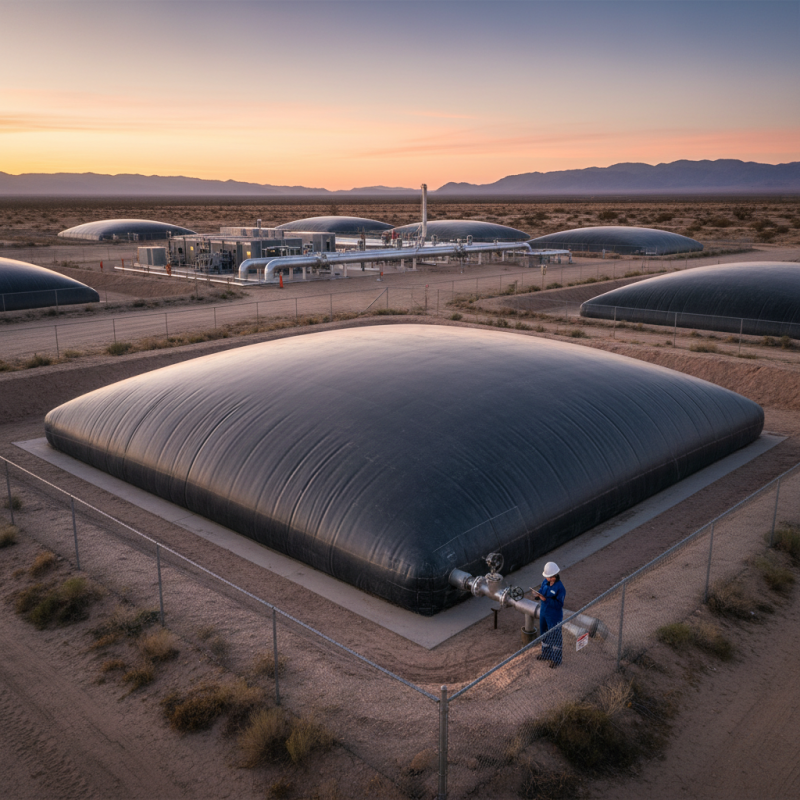
Understanding Oil Storage Bladders: Types and Uses
Oil storage bladders are versatile solutions for various applications. They come in different types, designed to meet specific storage needs. Common types include collapsible bladders and tank bladders. The right choice depends on the intended use and location. For example, temporary operations may benefit from portable bladders.
Understanding the materials used is also crucial. Most bladders are made from reinforced fabric or rubber. These materials ensure durability and resistance to various environmental conditions. However, one must regularly check for wear and tear. Ignoring these details can lead to leaks, which pose risks.
Choosing the right bladder requires careful consideration of size and capacity. Larger volumes can be more challenging to handle. It’s essential to assess the surrounding area as well. Proper installation ensures optimal performance and safety. Regular maintenance checks can help extend the life of your bladder. Remember, being proactive is key in preventing costly mistakes.
Factors to Consider When Choosing an Oil Storage Bladder
Choosing the right oil storage bladder requires careful consideration of several key factors. First, assess the material construction. High-quality fabrics like polyethylene or reinforced PVC provide durability. These materials resist punctures and UV degradation. According to a 2021 market study, bladders made of these materials last 20% longer than cheaper alternatives.
The bladder's capacity is also crucial. Determine your storage needs based on usage patterns. A recent report from the Oil and Natural Gas Research Institute indicates that optimal storage can reduce logistical costs by 15%. If you store large volumes, consider bladders with a capacity over 10,000 liters. However, oversized options can lead to wasted space.
Finally, environmental conditions play a role. Exposure to extreme temperatures can impact bladder performance. A 2022 report highlighted that 30% of storage failures relate to temperature-related material degradation. Choose a bladder designed to handle your specific climate. Regular inspections and maintenance also matter. These practices can extend bladder life significantly and prevent costly leaks.
2026 How to Choose the Right Oil Storage Bladder for Your Needs? - Factors to Consider When Choosing an Oil Storage Bladder
| Factor | Description | Recommendation |
| Material | Choose a durable and chemical-resistant material to ensure longevity. | Polyethylene or TPU are generally recommended. |
| Capacity | Consider the volume of oil you need to store and select a size accordingly. | Choose bladders that offer a range of capacities suitable for your needs. |
| Environment | Evaluate the environmental conditions where the bladder will be stored or used. | Select models that can withstand temperature fluctuations and UV exposure. |
| Regulations | Be aware of local regulations regarding oil storage. | Select bladders that comply with relevant standards and certifications. |
| Portability | Determine if you need a bladder that can be moved easily. | Look for lightweight and collapsible options for easy transport. |
| Cost | Establish a budget for your oil storage solution. | Compare prices but consider overall value and quality over the cheapest option. |
Evaluating Material Durability and Compatibility with Oil Types
When selecting an oil storage bladder, evaluating material durability is crucial. Different oils react uniquely with various materials. For instance, synthetic materials often resist corrosion better than their natural counterparts. This resilience can prolong the bladder's lifespan, even under harsh conditions.
Compatibility is another vital aspect. Not all bladders work with every oil type. Diesel, for example, may require specific materials to prevent degradation. Manufacturers often provide compatibility charts, but direct consultation with specialists can offer deeper insights. Testing small samples may reveal surprising reactions.
Potential issues can stem from improper storage conditions. Temperature fluctuations and exposure to UV light can compromise bladder integrity. It’s essential to assess your environment before choosing a bladder. Reflecting on these factors ensures a more informed decision.
Material Durability and Compatibility with Oil Types
Sizing Your Oil Storage Bladder: Volume and Space Considerations
When sizing your oil storage bladder, two main factors are crucial: volume and space considerations. Understanding the total volume of oil you wish to store is vital. According to industry reports, oil bladders range from 100 gallons to over 50,000 gallons. For small operations, a bladder around 1,000 to 5,000 gallons may suffice. Large-scale facilities, however, may require extensive capacities, as a miscalculation could lead to storage issues.
Space is another significant factor. Accurate measurements of the installation area are necessary. A bladder that's too large can compromise safety and accessibility. For instance, if a bladder overlaps with machinery or equipment, it may hinder operations. Furthermore, if the area is compact, consider selecting a bladder with a flexible design. This can optimize space while ensuring safety. A report from the International Tank Container Association suggests that improper size can lead to inefficiencies, with up to 30% of stored oil potentially wasted in inadequate setups.
Environmental considerations should not be overlooked. Assessing the site's drainage, soil type, and proximity to water sources is essential. A bladder exposed to harsh weather conditions may require additional support or protection. Organizations must remain aware that improper choices can escalate costs and risks over time. Planning is crucial; often, bladders designed for certain capacities may not suit specific environmental conditions.
Maintenance and Safety Guidelines for Oil Storage Bladders
When choosing an oil storage bladder, maintenance and safety are crucial. Regular inspections should be part of your routine. A study from the Environmental Protection Agency (EPA) highlighted that 30% of oil spills are caused by equipment failures, often due to inadequate maintenance. Inspect seams and connections frequently. Ensure there are no leaks, as even small amounts can lead to significant environmental damage.
Safety measures also include regulating temperature and avoiding exposure to harsh weather conditions. Extreme temperatures can weaken the bladder material, increasing the risk of ruptures. According to industry standards, storing bladders at temperatures between 30°F to 85°F greatly reduces deterioration. Keep them clean and free from debris.
**Tips:** Always use a secondary containment system. This can capture leaks before they impact the environment. Regularly train staff on safety protocols. Encourage a culture of reporting any potential hazards immediately. Remember, prevention is the best strategy for managing risks associated with oil storage.



 © Copyright 2020 Tianjin Tanghaidongyang Valve Co., Ltd. All Rights Reserved.