How to Choose the Right PCB Board for Your Project?
Choosing the right PCB board for your project is crucial for success. The PCB industry has grown significantly, reaching a market size of $60 billion in 2022. According to a report by IPC, over 80% of manufacturers see high-quality PCBs as essential for reliability. This underscores the importance of selecting the appropriate PCB for specific applications.
“To deliver the best performance, ensure that the PCB board meets your project’s unique requirements,” emphasizes Dr. Anna Moretti, a renowned PCB engineer. Her insights highlight that not all PCB boards are created equal. Factors such as material, size, and design complexity greatly influence the overall project outcome.
Often, designers overlook these factors, leading to costly revisions and project delays. Understanding the nuances of different PCB types can significantly enhance project efficiency. Each decision regarding the PCB board can impact not only performance but also production costs. It’s vital to approach this selection process with thorough research and expert advice to avoid fundamental mistakes.
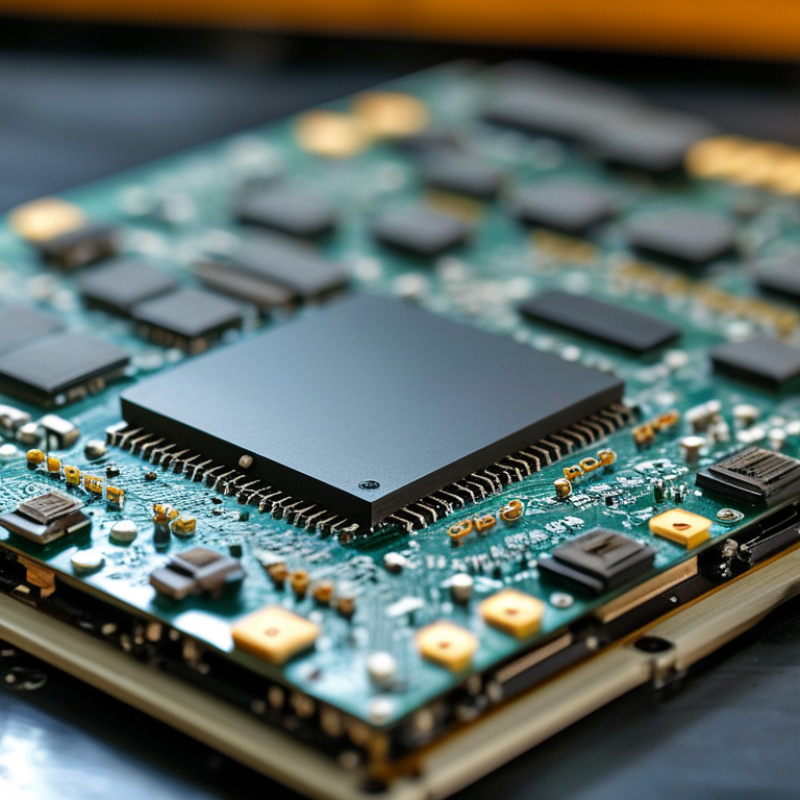
Understanding PCB Types: Rigid, Flexible, and Rigid-Flex Options
Choosing the right PCB board is crucial for any electronics project. Understanding the types can significantly impact your design's success. Rigid PCBs are the most common. They are sturdy and well-suited for devices where space is not a major issue. Their reliability makes them a safe choice for many applications, including consumer electronics and automotive systems.
Flexible PCBs offer a different advantage. They bend and twist, making them ideal for compact devices. These boards can fit into tight spaces, like wearables. However, their complexity can make design and manufacturing a challenge. This might require expertise you don’t yet have. A poorly designed flexible PCB can lead to significant project setbacks.
Rigid-flex boards combine the best of both worlds. They feature rigid sections intertwined with flexible ones. This allows for versatile design options in a compact format. However, they are often more expensive. You must weigh the increased functionality against your budget constraints.
When choosing a PCB type, consider your project’s specific needs. Remember, a poor choice of PCB can delay progress. Always prototype and test before committing. Avoid settling for the first option. Take the time to explore each type thoroughly.
Key Specifications to Consider When Selecting a PCB Board
When selecting a PCB board, it's essential to understand key specifications. Material type significantly influences performance and cost. FR-4 is common, but advanced materials may be necessary for high-frequency applications. A report by IPC indicates that over 80% of PCBs are made from FR-4 due to its versatility and reliability. However, examining thermal properties and dielectric constant can prevent overheating issues, which could affect your project.
Layer count is another critical factor. A simple design may only require one or two layers, but complex devices might need multiple layers to sustain higher pin counts. Industry data shows that multi-layer boards dominate the market, comprising nearly 60% of production due to increasing demand for compact, efficient designs.
Density is equally important. High-density interconnect (HDI) boards allow for smaller components and finer traces. This choice can significantly alter board size and functionality. However, they can be more expensive, and manufacturing complexity increases. Evaluating the need for such specifications can guide your decision without overspending or compromising performance. It's crucial to balance complexity with your budget and technical requirements.
How to Choose the Right PCB Board for Your Project? - Key Specifications to Consider When Selecting a PCB Board
| Specification | Description | Importance Level |
| Material Type | Common materials include FR-4, CEM-1, and Polyimide. | High |
| Layer Count | The number of layers affects the complexity of the design. | Medium |
| Copper Thickness | Measured in ounces, impacts current capacity and heat dissipation. | High |
| Surface Finish | Options include HASL, ENIG, and OSP, affecting solderability. | Medium |
| Board Dimensions | Size and shape considerations based on the design requirements. | High |
| Impedance Control | Necessary for high-frequency applications to maintain signal integrity. | High |
| Thermal Management | Important for devices susceptible to heat; options include thermal vias. | Medium |
Analyzing the PCB Layer Count for Optimal Performance
Choosing the right PCB layer count is crucial for project success. A common misconception is that more layers always mean better performance. In reality, the optimal layer count depends on specific project demands and constraints. According to industry reports, around 80% of projects can achieve desired performance with 4 to 6 layers. This balance meets most electrical requirements while controlling costs.
Layer count affects several factors. More layers can reduce electromagnetic interference (EMI) and allow for tighter routing. This can enhance signal integrity, particularly in high-frequency designs. However, the complexity increases with more layers. Prototyping can become costly and time-consuming. On average, designs with 10 or more layers can inflate manufacturing time by 30%. It forces teams to carefully assess the necessity of additional layers for their specific applications.
Some engineers may overlook the implications of layer count on thermal management. High layer counts often lead to more densely packed circuitry. This can create hotspots and thermal inefficiencies that compromise performance. Studies show that poor thermal management is a leading cause of failure in high-layer-count PCBs. Evaluating these factors is essential for optimal design and reliability in any project.
Evaluating Material Properties: FR-4 vs. Polyimide Boards
When choosing a PCB board, material properties play a crucial role. Two popular materials are FR-4 and polyimide. FR-4 is widely used for its balance of cost and performance. This glass-reinforced epoxy resin offers good electrical insulation and mechanical strength. It is suitable for many applications, but it may struggle in high-temperature environments.
Polyimide boards are a different story. They excel in extreme conditions, maintaining stability at elevated temperatures. Their flexibility allows for designs that need to bend or conform. However, polyimide boards can be expensive and may not be necessary for every project. Developers often face the dilemma of choosing between cost-effectiveness and performance needs.
The decision between FR-4 and polyimide can influence the success of a project. It's essential to evaluate the specific requirements, including temperature, flexibility, and budget constraints. Sometimes, trial and error leads to the best choice. While research is beneficial, hands-on experience often reveals insights that online resources cannot. Choosing the right PCB is about balancing these factors effectively.
Cost vs. Quality: Finding the Right Balance for Your PCB Needs
When considering a PCB board for your project, cost and quality play crucial roles. Lower-cost options may save money upfront, but they can lead to long-term issues. Inconsistent performance often arises from cheap materials. A poorly constructed board may fail earlier than expected. Reliability is key in high-stakes applications.
Quality PCBs are built with better materials and adhere to strict manufacturing standards. They ensure durability and enhance performance. However, investing in high-quality boards can strain a budget. It’s essential to evaluate project requirements against financial constraints. Sometimes, a mid-range option can provide a perfect balance. Reflecting on your specific needs can guide your choice.
Make an informed decision by assessing the trade-offs. Remember that lowest cost may lead to repairs or replacements later. Understand the potential hidden costs that poor-quality boards can incur. Balancing budget and performance is integral. This process demands careful consideration and occasional trial and error.



 © Copyright 2020 Tianjin Tanghaidongyang Valve Co., Ltd. All Rights Reserved.