2026 How to Choose the Right Pneumatic Valve for Your Needs?
In today’s industrial landscape, the choice of a pneumatic valve is crucial. An estimated 75% of automation processes rely on these valves. Proper selection can enhance efficiency, reduce waste, and ensure safety in operations.
However, navigating the complexities of pneumatic valves can be challenging. There are various types available, each designed for specific applications. According to a recent industry report, improper valve selection accounts for nearly 20% of operational failures in pneumatic systems. This highlights the importance of understanding your requirements thoroughly.
Understanding the specific needs of your application is vital. Factors such as pressure rating, flow capacity, and material compatibility are critical. Failure to consider these can lead to costly downtime and repairs. By analyzing these parameters diligently, operators can significantly improve both the performance and reliability of their pneumatic systems.
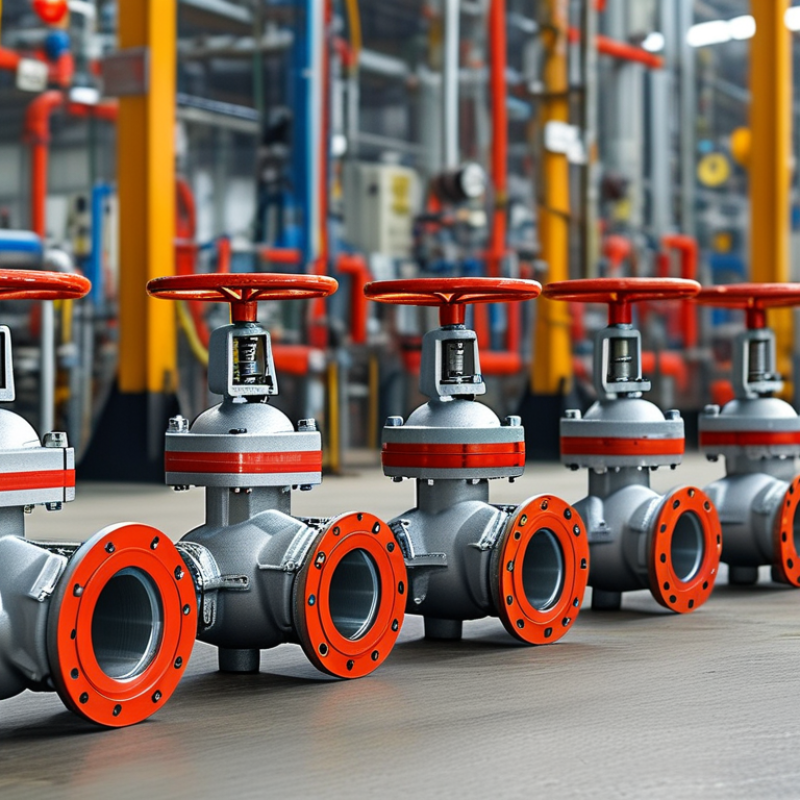
Understanding Pneumatic Valves: Types and Applications
Pneumatic valves play a crucial role in various industries, including manufacturing, automotive, and food processing. These valves control the flow of compressed air, making them essential for automation systems. With the global pneumatic valve market projected to reach $7 billion by 2026, understanding the types and applications of these valves is significant for efficient operations.
There are several types of pneumatic valves, such as solenoid, ball, and butterfly valves. Each has unique characteristics suited for specific applications. For instance, solenoid valves are commonly used in high-speed operations due to their quick response times. In contrast, butterfly valves are often favored in applications where space is limited. According to a 2023 report by Market Research Future, the demand for pilot-operated valves is expected to increase by 15% annually, reflecting their growing importance in automation.
However, selecting the right valve requires careful consideration. Not all valves are interchangeable, and incompatibilities can lead to system failures. Proper sizing and material selection are critical. For instance, using aluminum valves in corrosive environments may lead to premature failure. Engineers must often revisit their choices, balancing cost-effectiveness with reliability. Understanding the operational needs and limitations can lead to better performance and sustainability in pneumatic systems.
2026 Pneumatic Valve Types and Their Applications
This chart illustrates the various types of pneumatic valves and their applications in different industries. Each type of valve serves specific needs, with ball valves being commonly used due to their versatility and reliability.
Key Factors to Consider When Selecting a Pneumatic Valve
Choosing the right pneumatic valve can greatly impact your system's performance. When evaluating options, consider the operating pressure and temperature. Ensure the valve is compatible with your specific application. Another crucial aspect is the fluid type. Different materials resist corrosion or wear differently. Selecting a valve that suits your fluid will enhance durability.
Quality matters. Look for valves designed to comply with industry standards. It’s essential for reliability and safety. Performance should not be overlooked. Evaluate flow rates to meet your needs. A valve that cannot handle your requirements can lead to inefficiencies.
Tips. Don't rush your selection. Gather detailed specifications for your application. This will help narrow down your options. Sometimes, a less expensive valve may lead to higher costs in the long run. Investing in quality can save time and repairs. Review your choices periodically. What worked well last year might not suit your current demands. It's essential to reassess your needs regularly.
Evaluating Valve Specifications for Your Specific Needs
Choosing the right pneumatic valve involves understanding key specifications tailored to your specific needs. Start with the valve's flow rate, which indicates how much air can pass through. Ensure it matches the requirements of your application. High flow rates are ideal for large machinery. For smaller devices, a lower flow rate is sufficient.
Consider the operating pressure range. This specification determines if the valve can handle the pressures in your system. A mismatch can result in inefficient operation. Further, assess the material of the valve. Different materials affect durability and compatibility with your media. For example, corrosive agents may require specialized materials.
Don't overlook the valve size. A too-small valve restricts flow, while a too-large valve can cause operational issues. Moreover, the type of actuation is essential. Whether manual, electrical, or pneumatic, each type has benefits and limitations. Make sure to reflect on your specific usage scenario when evaluating these factors.
2026 How to Choose the Right Pneumatic Valve for Your Needs? - Evaluating Valve Specifications for Your Specific Needs
| Valve Type |
Actuation Method |
Port Size (inches) |
Material |
Max Pressure (psi) |
Flow Coefficient (Cv) |
| Ball Valve |
Electric |
1/2 |
Stainless Steel |
150 |
5.6 |
| Gate Valve |
Pneumatic |
3/4 |
Brass |
200 |
20.0 |
| Butterfly Valve |
Manual |
1 |
Plastic |
75 |
10.0 |
| Check Valve |
Spring Loaded |
1/2 |
Aluminum |
150 |
3.0 |
| Solenoid Valve |
Electric |
1/4 |
Stainless Steel |
125 |
0.4 |
Common Mistakes to Avoid in Choosing Pneumatic Valves
Choosing the right pneumatic valve can greatly impact your system's efficiency. Many people overlook key factors in this decision. One common mistake is ignoring the specific application requirements. Each valve operates differently, and specifications can vary significantly. Analyze your system’s pressure, flow rate, and media type. Understanding these elements is crucial for making the right choice.
Another frequent error is underestimating the importance of compatibility. Valves must be compatible with existing components and the operating environment. Opting for a valve without assessing these factors can lead to performance issues. Also, some users fail to consider maintenance. A valve that is hard to service can lead to increased downtime later on. Regular maintenance needs should guide your selection process.
Finally, don’t rush your choice. Take the time to research and compare options. Quality doesn’t always align with price. Sometimes, more expensive valves may not deliver better performance. Reflect on your needs before making a final decision. Engaging with experts can also provide valuable insights and help avoid pitfalls. The impact of these decisions lasts long after installation.
Maintenance and Lifespan Considerations for Pneumatic Valves
Pneumatic valves play a crucial role in various industrial applications. Understanding their maintenance needs can significantly enhance their lifespan and efficiency. Regularly inspecting components for wear and tear is vital. Ensure that seals and diaphragm parts are functioning correctly. Neglecting these checks can lead to leaks and inefficiencies in your system.
Proper lubrication is another essential aspect. Without adequate lubrication, the valve components can wear down faster. Consider using the manufacturer-recommended lubricants to maintain optimal performance. It's also wise to schedule routine maintenance checks. Missing scheduled inspections could result in unexpected downtime and costly repairs.
Keeping your pneumatic valves clean helps prevent unwanted debris from causing malfunctions. A thorough cleaning routine can extend valve life significantly. Monitor your operating environment for contaminants that could affect performance. Being proactive about potential problems can save time and resources in the long run.





 © Copyright 2020 Tianjin Tanghaidongyang Valve Co., Ltd. All Rights Reserved.