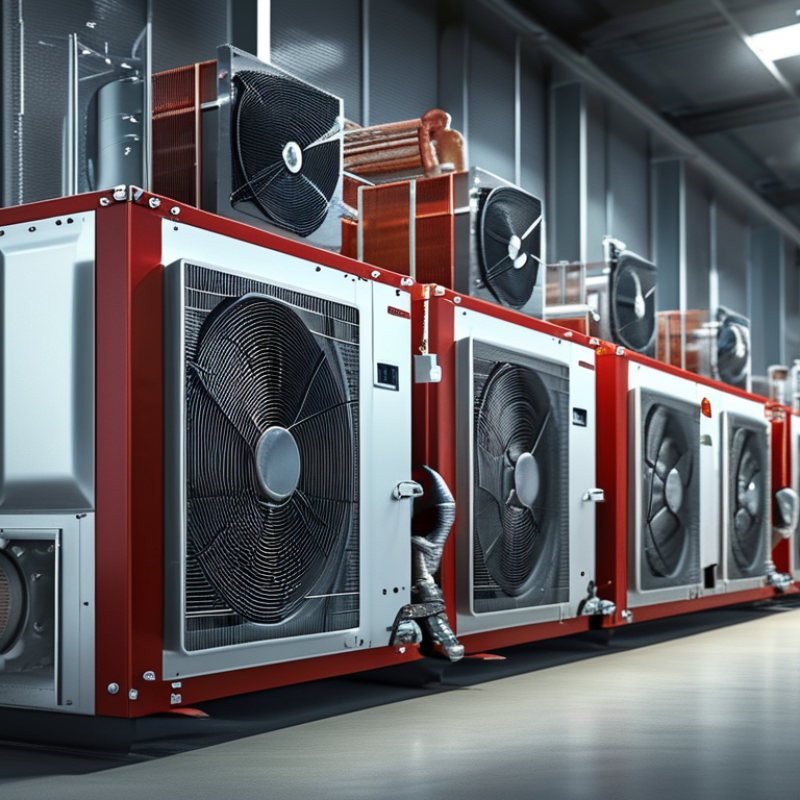
Condensing units play a crucial role in cold storage systems. They work by circulating refrigerant through a closed loop. The basic operation relies on cooling cycles. These cycles begin when the refrigerant absorbs heat from the stored products. As it absorbs heat, the refrigerant turns into a gas. This gas is then compressed, increasing its pressure and temperature.
Once pressurized, the refrigerant moves to the condenser. Here, it releases heat to the outside air. This heat exchange causes the refrigerant to cool down and condense back into a liquid state. The liquid refrigerant then flows back into the evaporator. This cycle repeats continuously. It is essential for maintaining a consistent cold environment.
However, not all systems run perfectly. Issues such as refrigerant leaks can disrupt the cooling cycle. Regular maintenance is critical to avoid malfunctions. Operators must be vigilant about monitoring system performance. A small oversight can lead to significant product spoilage. Understanding these cycles is vital for effective cold storage management. It ensures optimal operating conditions and safeguards stored goods.


 © Copyright 2020 Tianjin Tanghaidongyang Valve Co., Ltd. All Rights Reserved.