Ultimate Tips for Customizing Your Valve Guide
Customizing your valve guide is an essential step for optimizing engine performance. A Valve Guide Customized to your engine's needs can significantly impact efficiency and durability. Many car enthusiasts overlook this process, assuming a standard guide is adequate. However, failing to tailor this component may lead to premature wear or performance issues.
Choosing the correct materials and dimensions is crucial. Different engines require unique specifications. This choice directly affects how well the valve guide performs. Without proper customization, drivers may face significant challenges. These may include increased friction and overheating. Therefore, learning about valve guide customization becomes imperative.
Think about specific needs, such as operating conditions and engine type. Each factor nudges towards different design choices. Disregarding these details can lead to dissatisfaction with engine performance. Reflecting on past experiences may reveal common mistakes. Avoiding a one-size-fits-all approach is vital for success in this field.
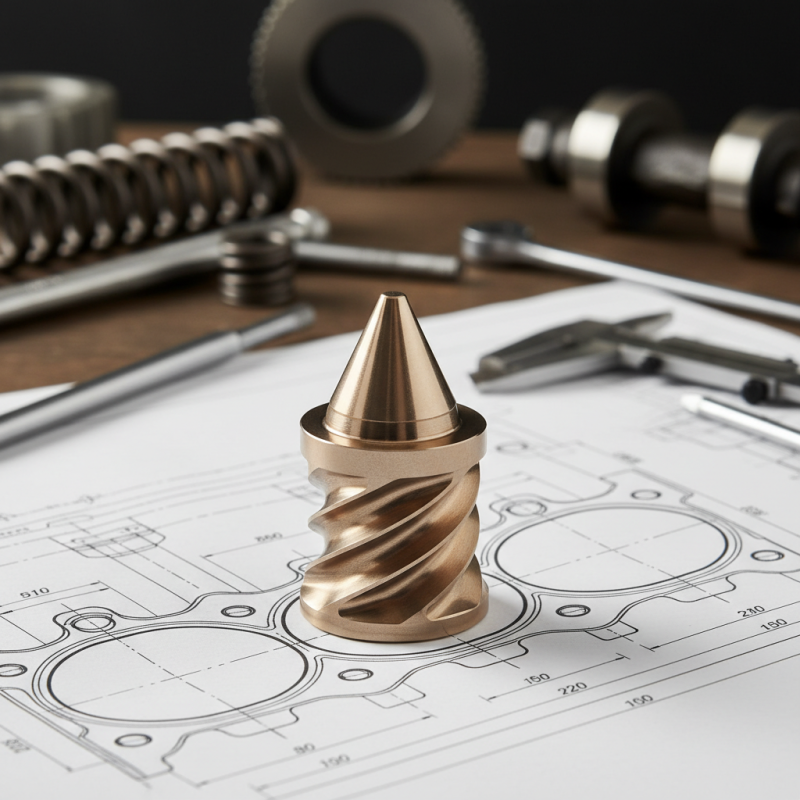
Understanding Valve Guides: Importance and Functionality
Valve guides play a crucial role in the overall performance of an engine. They help to maintain the position of the valves, ensuring they open and close correctly. A well-functioning valve guide reduces friction, enhancing the engine's efficiency. According to a recent industry report, valve guide wear can lead to significant power loss, estimated at around 10-15% in some engines. This emphasizes the need for proper customization and maintenance.
Customization of valve guides can optimize performance. Factors like material selection and manufacturing precision can significantly impact an engine's behavior. For example, using advanced materials can enhance durability but might also increase costs. It's essential to weigh these trade-offs carefully. A study highlighted that around 30% of performance issues stem from improperly fitted valve guides. This statistic is a wake-up call for many technicians.
In practice, achieving the right fit requires attention to detail. A common mistake is not accounting for the thermal expansion of materials, which can affect longevity. Additionally, imperfect machining might create gaps that lead to excessive wear. Regular inspections can help catch these issues early. Understanding the importance of valve guides is not just for engine builders; it's vital for anyone interested in engine performance.
Materials and Design Considerations for Custom Valve Guides
When customizing valve guides, material selection plays a vital role. Common materials include bronze, steel, and composite options. Each has distinct properties that affect performance. For instance, bronze offers excellent wear resistance. This can be beneficial in high-performance engines where durability is essential. However, bronze may not handle heat as well as steel. It’s crucial to weigh the performance needs against material properties.
Design considerations are equally important. The guide’s shape impacts airflow and lubrication. An optimized design can improve engine efficiency and longevity. Yet, achieving an ideal balance isn’t easy. Incorrect dimensions can lead to clearance issues. Problems like excessive oil consumption or valve sticking may arise. Testing different designs can help identify the optimal fit for your engine.
Tuning the valve guide involves trial and error. Expect some setbacks during the customization process. You may need to revisit your designs or materials. Reflection on what works and what doesn’t is key. Learning from mistakes can lead to improved solutions in your project. The journey of customization can be rewarding, albeit challenging.
Ultimate Tips for Customizing Your Valve Guide
Step-by-Step Process for Customizing Valve Guides
Customizing valve guides is an essential step in optimizing engine performance. The process requires careful consideration and attention to detail. Start by measuring the existing valve guides to determine if modifications are necessary. This initial step is often overlooked, leading to inconsistent results.
Choose the right material for customization. Different materials affect performance in various ways. When shaping the guides, aim for a snug fit without being too tight. A poorly fitted guide can lead to undesirable results.
Here are some tips: Use a high-quality tool for precision. Take your time when cutting or grinding. Rushing can lead to mistakes. Always test the valve guides after customization. Make adjustments as needed. Don’t skip this critical step; it ensures reliability. Remember to inspect your work regularly. Small errors can lead to larger issues later on.
Ensure your finished guides align perfectly with the valvetrain. Misalignment can cause severe problems. Aim for perfection, but accept that minor flaws can occur. Each customization journey teaches valuable lessons. Document your process for future reference.
Tools and Techniques for Achieving Precision in Valve Guide Customization
Customizing valve guides requires precision and the right tools. Start with a good selection of hand tools. Calipers and micrometers are essential for measuring dimensions accurately. A quality reamer will help you achieve the perfect fit. It may take time to hone your skills with these tools. Don’t rush the process, as small mistakes can lead to bigger issues later.
Another important aspect is technique. Ensure your working area is clean and organized. Dust and debris can interfere with accurate measurements. Experiment with different reaming speeds to find what works best for your materials. Remember, practice makes perfect, but don’t become complacent. Constant reflection on your techniques can lead to better results. After adjusting each guide, double-check the fit. A snug, yet movable guide is the goal. Sometimes, what seems like a minor adjustment can make all the difference.
Common Mistakes to Avoid When Customizing Valve Guides
Customizing valve guides can significantly enhance engine performance. However, many engine builders make critical errors during this process. One common mistake is neglecting proper material selection. Using substandard alloys can lead to premature wear, compromising the engine's lifespan. Reports suggest that nearly 30% of engine failures are linked to poor component choices.
Another issue stems from improper clearance tolerances. When the clearance is too tight, it may cause binding, leading to overheating. Conversely, excessive clearance can cause valve noise and inefficient sealing. A study by the Engine Builders Association indicates that 25% of custom jobs fail due to miscalculated clearances. Understanding these tolerances is essential for successful customization.
Additionally, many overlook the importance of valve seat angles. Incorrect angles can greatly impact airflow, decreasing overall efficiency. An estimated 15% drop in performance is often seen when valve seats are not optimized. Taking the time to analyze each part's interaction is crucial. It's about precision, not just modification.
Ultimate Tips for Customizing Your Valve Guide - Common Mistakes to Avoid When Customizing Valve Guides
| Mistake | Description | Tip to Avoid |
| Using Incorrect Material | Selecting the wrong material can lead to premature wear and overheating. | Research and select materials that match your engine's specifications. |
| Neglecting Clearance | Inadequate clearance can cause valve binding. | Always measure and allow for adequate clearance. |
| Ignoring Lubrication | Insufficient lubrication can lead to increased friction and wear. | Ensure proper lubrication before installation and during operation. |
| Overlooking Alignment | Misalignment can cause uneven wear and reduced performance. | Double-check valve alignment before final installation. |
| Skipping Professional Help | DIY customization without expertise can lead to significant issues. | Hire a professional for critical customization tasks. |


 © Copyright 2020 Tianjin Tanghaidongyang Valve Co., Ltd. All Rights Reserved.