Dtf Transfer Sheets Tips for Effective Printing and Sourcing?
In the world of textile printing, Dtf Transfer Sheets have revolutionized the process. These sheets allow for vibrant, high-quality results on various fabrics. However, achieving effective printing requires a deep understanding of both sourcing and application techniques.
One common challenge with Dtf Transfer Sheets involves the balance between ink quality and adhesion. Poor-quality sheets may lead to unsatisfactory results, necessitating a more careful selection process. It's essential to research reputable suppliers who offer reliable products. Checking reviews and samples can save time and resources.
Moreover, successful printing is not solely about the product. It involves mastering the printing process itself. Adjusting temperatures, pressures, and timing can drastically affect the final output. Practicing with different settings will help achieve consistent results. Instead of relying solely on preset options, experimenting can bring unique outcomes.
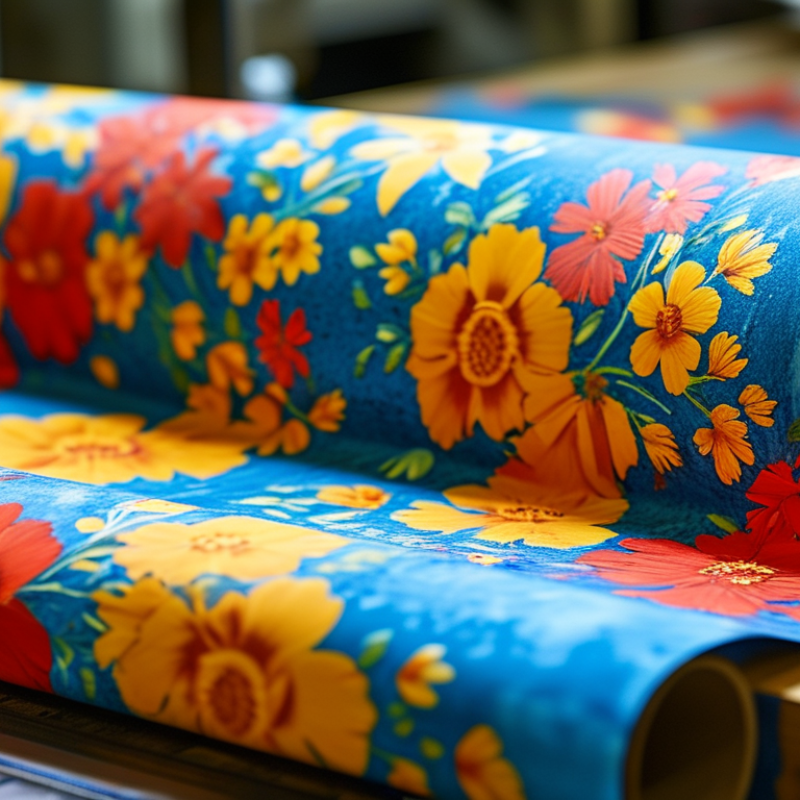
Understanding DTF Transfer Sheets and Their Printing Process
Direct-to-Film (DTF) transfer sheets have become a popular choice for custom printing on textiles. Understanding how these sheets work is essential for achieving high-quality results. DTF printing transfers ink onto a special film, which is then applied to the fabric using heat. This process allows for vibrant colors and detailed designs, but it requires precision and knowledge.
The preparation phase is crucial. Ensure that the DTF transfer sheets you choose have a suitable coating for better adhesion. Temperature and pressure must be correctly set on your heat press machine. If not, colors may bleed, and the transfer could fail. Many users overlook these factors, leading to disappointing outcomes. Experimentation is often needed. Keeping a record of settings and results can help refine your approach.
Some common issues include incomplete transfers or poor durability. Evaluate your printer's compatibility with DTF processes. Not all printers generate the same quality. It might take time to find the right combination of materials and settings. Understanding these nuances will enhance your printing experience. Regular testing and adjustments are key in this ever-evolving field.
Tips for Preparing Designs for DTF Printing
Preparing designs for DTF printing is crucial for achieving high-quality results. One key aspect is the choice of colors. Colors on the screen often look different when printed. Use a color profile that matches your printer. This step can prevent unexpected color shifts. Experiment with various shades too.
The design resolution should also be considered. A resolution of at least 300 DPI is recommended. This ensures that details are sharp and clear. Avoid using low-resolution images, as they can lead to pixelation. Additionally, consider the file format. PNG files preserve transparency and colors better than others.
Another important factor is the design's complexity. Intricate designs may require extra time to print. Simplifying graphics can sometimes be more effective. Keep in mind that DTF printing handles gradients well, but excessive detail may affect print quality. Finally, always run test prints. This can help identify issues before final production. Learning from these tests is invaluable.
Dtf Transfer Sheets Tips for Effective Printing and Sourcing
| Dimension | Detail |
| Sheet Size | A4 (210mm x 297mm) |
| Ink Type | Pigment-Based Ink |
| Design Resolution | 300 DPI |
| Color Mode | CMYK |
| Material Type | Polyester or Cotton |
| Transfer Temperature | 160-180°C |
| Transfer Time | 10-15 seconds |
| Post-Process | Peel Hot |
Effective Sourcing of Quality DTF Transfer Materials
When sourcing quality DTF transfer materials, it's essential to prioritize both quality and compatibility. High-quality transfer sheets ensure that colors remain vibrant and that prints last longer. Look for suppliers who provide detailed specifications about their sheets. This transparency shows their confidence in the product.
Tips for sourcing effectively include researching potential suppliers. Read reviews and seek samples before committing to larger orders. Testing several options can reveal what works best for your specific printing setup. Pay attention to material thickness and coating, as these factors significantly impact transfer durability.
Don’t overlook the importance of customer support. A supplier that offers responsive assistance can make a significant difference. Mistakes can happen during the sourcing process, so having a reliable partner can help mitigate any issues. Consider the return policy as well, as it reflects the supplier’s commitment to quality.
Troubleshooting Common DTF Printing Issues
DTF printing can present unique challenges. Many printers encounter issues with ink adhesion and color quality. Reports indicate that approximately 70% of users face difficulties with ink not sticking properly to the transfer sheets. This often results in faded prints that do not meet expectations.
Temperature settings are crucial in DTF printing. A heat press at the incorrect temperature can lead to poor results. Studies show that temperatures below 300°F often yield unsatisfactory adhesion. Furthermore, the choice of transfer sheets can significantly impact print quality. High-quality sheets contribute to better ink absorption. However, lower-grade options may produce inconsistent results.
Another common issue lies in the maintenance of print heads. Regular cleaning can prevent clogging, which remains a significant concern for many users. It's estimated that nearly 30% of print head issues arise due to neglect. Keeping a diligent maintenance schedule helps mitigate these problems, ensuring higher quality prints and fewer frustrations. Identifying these hurdles is essential for any printer aiming for success in the DTF process.


 © Copyright 2020 Tianjin Tanghaidongyang Valve Co., Ltd. All Rights Reserved.