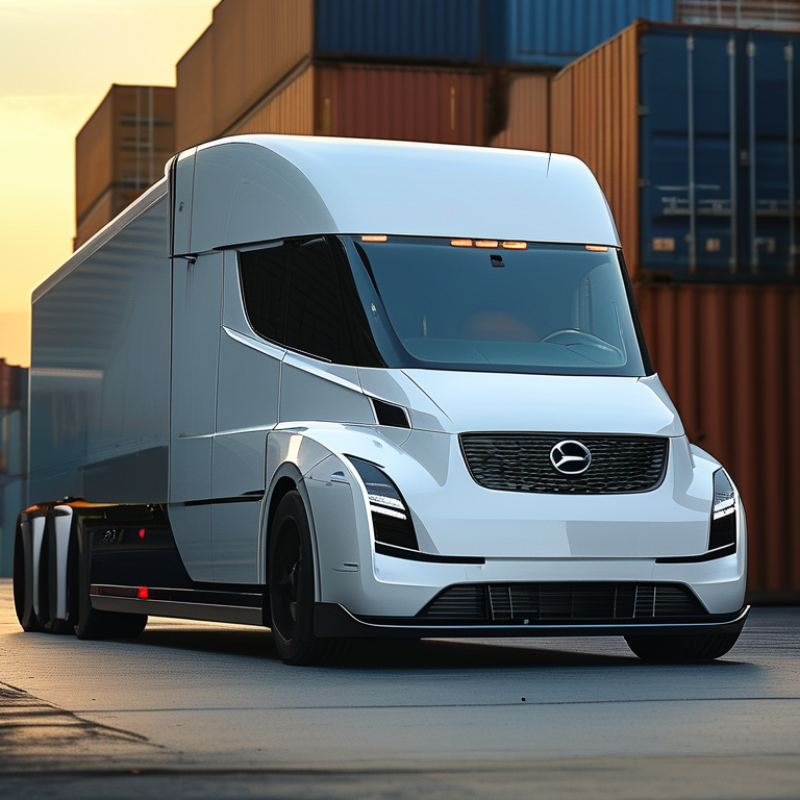
As the electric vehicle market rapidly evolves, the Electric Flatbed segment is poised for significant transformations by 2026. Experts predict that electric flatbeds will not only revolutionize logistics but also enhance sustainability in transportation. According to Mike Anderson, a leading expert in the electric vehicle industry, "The future of electric flatbeds is not just about efficiency; it's about redefining how we think about transport."
In recent years, advancements in battery technology have made electric flatbeds more feasible. These vehicles promise longer ranges and faster charging times, which are crucial for commercial use. Companies are exploring novel designs that increase payload capacity while retaining energy efficiency. However, the industry faces challenges, particularly in adapting infrastructure to support these new vehicles.
Yet, there are areas that require careful consideration. The shift to electric flatbeds isn't without its drawbacks. The initial investment remains high, and some companies are reluctant to adopt this change. In addition, ongoing concerns about battery recycling and environmental impact need addressing. The dialogue surrounding these issues will shape the trajectory of the Electric Flatbed industry over the next few years.
The electric flatbed market is evolving rapidly in 2026. Recent reports from industry analysts indicate a remarkable growth trajectory, with a projected increase of 24% in sales compared to 2025. The demand is driven by sustainability concerns and advancements in electric vehicle technology. As companies aim to reduce emissions, electric flatbeds offer an appealing and eco-friendly alternative for logistics.
Innovations in battery technology are pushing the boundaries of electric flatbeds. Many models now boast a range exceeding 300 miles on a single charge. This advancement reduces downtime significantly, addressing a critical concern for fleet operators. However, challenges remain. The charging infrastructure is still underdeveloped in many regions. Data shows that 40% of potential buyers cite charging accessibility as a key barrier to adoption.
Additionally, the integration of smart technologies is on the rise. Features like AI-driven route optimization enhance operational efficiency. This development aims to tackle rising fuel costs and improve delivery times. Yet, not all operators have the resources to implement these technologies fully, creating a gap in the market. The current landscape reflects both promise and obstacles, highlighting the need for continued investment and innovation.



 © Copyright 2020 Tianjin Tanghaidongyang Valve Co., Ltd. All Rights Reserved.