Top 10 Essential Features of Racing Car Dashboards?
In the high-speed world of motorsports, the Racing Car Dashboard plays a crucial role. It serves as the driver’s control center. A well-designed dashboard provides essential information at a glance, aiding in decision-making during intense races.
Each feature on the dashboard matters. From speedometers to fuel gauges, they all contribute to a driver’s awareness. Inefficient designs can lead to mistakes. A driver may overlook crucial data that could affect performance. Therefore, racing teams invest time in optimizing dashboard layouts.
A Racing Car Dashboard not only enhances safety but also improves competitiveness. The best dashboards are user-friendly yet packed with features. As technology advances, these designs are evolving. Keeping up with innovations is essential. This ensures that drivers have the best tools at their disposal. The right setup can make the difference between winning and losing.
Essential Components of Racing Car Dashboards: An Overview
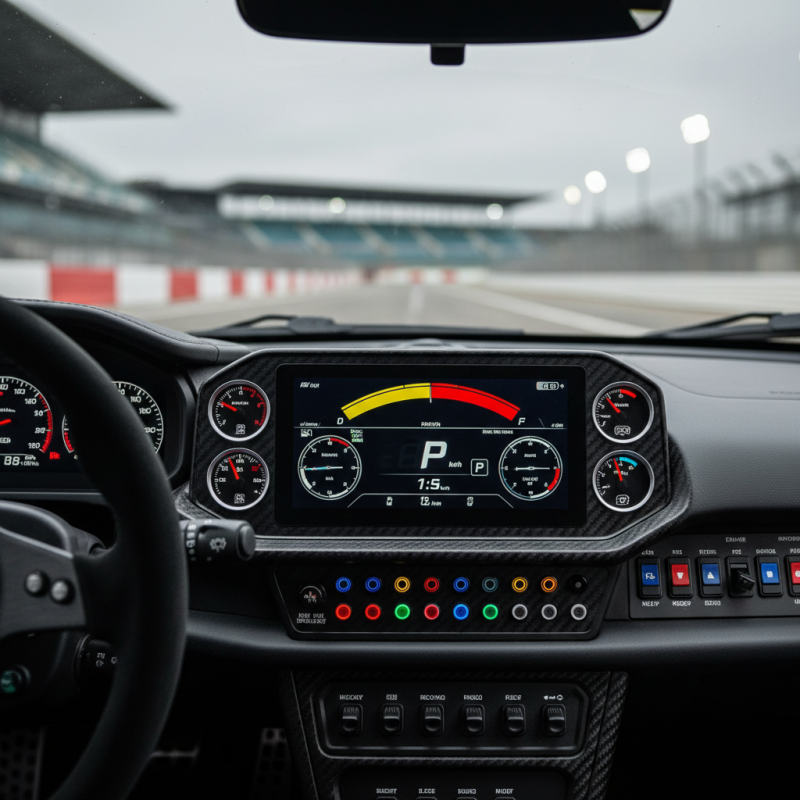
Racing car dashboards are not just displays; they are vital components that communicate crucial information to drivers at high speeds. An effective dashboard features an array of gauges and indicators, each designed for quick readability. Common components include speedometers, tachometers, oil pressure gauges, and temperature indicators. These elements help drivers make instant decisions during races.
Drivers often face overwhelming conditions on the track. A simplified layout can enhance focus. Prioritize key information that helps with immediate performance. Bright colors and clear fonts improve visibility, even in low light. Customization options allow drivers to tailor setups to personal preferences.
Consider the placement of the dashboard. Locating crucial gauges within the driver's line of sight reduces distractions. Many teams conduct tests to find the optimal angle for readability. Functionality must come first, but aesthetics should not be ignored. Well-designed dashboards can motivate drivers, creating a psychological edge.
Instrumentation Measurement Types: Speed, RPM, and Beyond
Racing car dashboards serve as the nerve center for drivers. They provide essential instrumentation measurement types like speed and RPM. These metrics are crucial for optimal performance. Speed displays allow drivers to gauge their velocity, while RPM indicators help monitor engine revolutions. This data enables precise gear shifts and power management.
Beyond speed and RPM, several other measurements are vital. Oil temperature, tire pressure, and fuel levels also merit attention. A drop in tire pressure could indicate a serious issue. Meanwhile, oil temperature gauges warn of potential engine overheating. These details can mean the difference between victory and failure.
Creating an effective dashboard requires an understanding of driver needs. Some dashboards may be overcrowded, making it hard to focus. Simple layouts with easily readable metrics often perform better. It’s also essential to consider the position of display units. A poorly placed gauge can lead to distractions. Balancing complexity and simplicity is no easy task, but it is necessary for enhancing driver performance.
Real-Time Data Display: Importance of Lag-Free Feedback
Real-time data display is crucial for racing car dashboards. Drivers rely on instant feedback to make split-second decisions. According to a recent report by the International Motorsports Association, lag in data display can lead to a 20% increase in the risk of making critical errors. This statistic highlights the importance of having information delivered without delay.
The dashboard must provide accurate data on speed, fuel levels, and tire performance. For instance, a delay of even a few milliseconds in tire pressure readings can result in improper handling during high-speed turns. Drivers often express frustration over outdated gauges, which can feel like racing with blindfolds. The need for reliable, real-time updates cannot be overstated.
Many teams are investing in advanced telemetry systems. These systems ensure drivers receive immediate insights into car performance. Yet, the implementation of such technology isn't without its challenges. Engineers must constantly refine algorithms to reduce latency. The balance between technology and driver experience remains a topic of active discussion in the racing community.
Customization Options for Drivers: Tailoring Dashboard Layouts
Customization is key for racing drivers. Each driver has unique preferences and styles. A well-designed dashboard can greatly enhance performance. Tailoring dashboard layouts can make a world of difference on the track.
Drivers often require quick access to vital data. This includes speed, RPM, and fuel levels. Custom layouts allow for optimal visibility. Some prefer larger gauges, while others opt for digital readouts. Every choice affects reaction time during races. It's fascinating how minor adjustments can impact overall race strategy.
Some drivers may struggle with the multitude of options available. Too many features can lead to confusion. It's essential to balance functionality with simplicity. Testing various layouts during practice sessions can help refine choices. Reflecting on these experiences is vital for improvement.
Safety Features: Integrating Alerts and Warnings into Dashboards
Racing car dashboards have evolved into complex systems that prioritize safety. Integrating alerts and warnings is crucial. According to industry reports, 72% of racing incidents are linked to driver distraction. This emphasizes the need for immediate visual and auditory alerts.
Alerts for tire pressure, engine temperature, and fuel levels must be front and center. Studies show that drivers can miss critical information if not prominently displayed. An effective dashboard design should allow for quick glances. Swift response can be the difference between a successful race and a crash.
Limitations in current systems expose a need for improvement. Some dashboards do not provide real-time alerts for potential hazards. The integration of predictive analytics can enhance safety. Regular updates and real-time data analytics can lead to better decision-making on the track. Understanding these gaps is essential for ongoing enhancements in dashboard design.


 © Copyright 2020 Tianjin Tanghaidongyang Valve Co., Ltd. All Rights Reserved.