What is a Gas Generator and Highlights from 2026 Canton Fair?
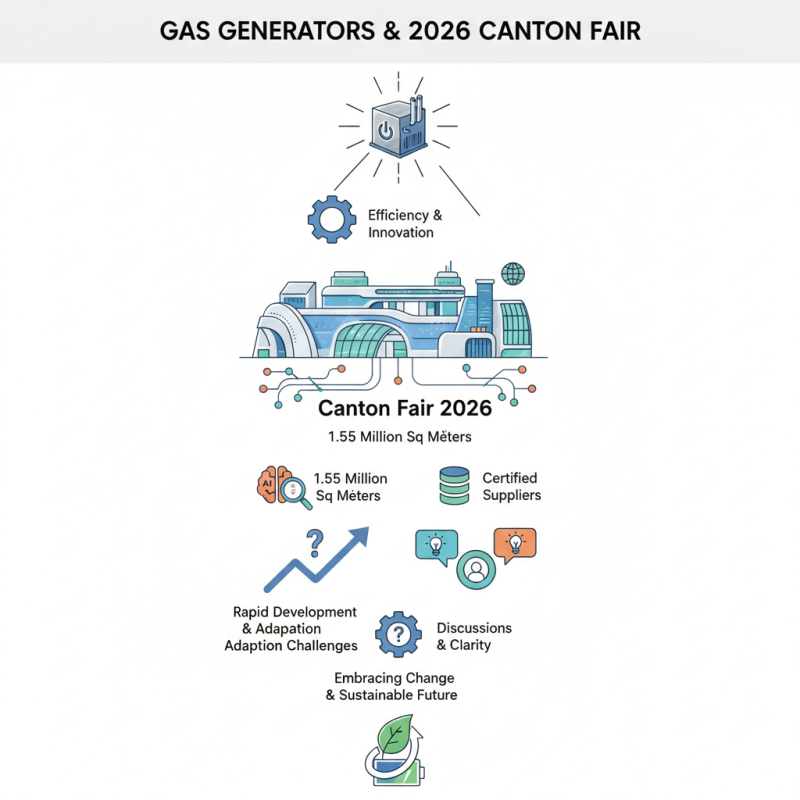
As industries evolve, the importance of reliable energy sources becomes paramount. gas generators are essential in providing power for various applications. Dr. Martin Hayes, an industry expert, once stated, "Gas generators embody efficiency and innovation, powering progress across sectors."
The upcoming 2026 Canton Fair will showcase advancements in this technology. With over 1.55 million square meters of exhibition space, it promises significant insights. The introduction of AI features will streamline the search for certified gas generator suppliers. Attendees will experience enhanced navigation in a vast environment.
Despite these improvements, challenges remain. The rapid developments in gas generation technology require constant adaptation. Stakeholders must question whether they keep pace with innovation. Engaging in discussions at the Canton Fair could provide clarity and direction. Embracing change is crucial for a sustainable future in the gas generator industry.
What is a Gas Generator?
A gas generator is a device that converts gas into electrical energy. It is widely used in various applications, from residential to industrial uses. The operation of a gas generator is relatively straightforward. Fuel is burned to produce energy, which can then be harnessed for electricity. This process offers a cleaner alternative to traditional diesel generators.
One notable feature of gas generators is their efficiency. They can generate power with lower emissions compared to other fuel types. However, efficiency can vary. Factors such as fuel quality and maintenance play a significant role. Poorly maintained equipment can lead to unexpected downtime. This reflects the need for regular checks and servicing.
Installation requires planning. Proper site selection is critical. Safety should never be an afterthought. Additionally, the upfront costs can be substantial. Users often overlook the long-term savings potential. Data shows that well-maintained gas generators can save money over time.
Despite these benefits, some users remain skeptical. They worry about reliability in critical situations. Identifying the right solution means evaluating individual needs and circumstances.
Key Components of Gas Generators
Gas generators are essential in various industries, providing reliable power solutions. The key components of gas generators include the engine, alternator, and control systems. According to a recent market research report, the global gas generator market is projected to grow at a CAGR of 5.1% from 2023 to 2028. This growth underscores the increasing demand for efficient energy solutions.
The engine is the heart of the gas generator. It converts gas fuel into mechanical energy. Often, these engines are designed for durability and efficiency. Monitoring systems play a crucial role as well. They ensure optimal performance and safety during operation. Some reports indicate that over 30% of generator failures stem from inadequate monitoring. This highlights the need for regular maintenance and checks.
Moreover, the alternator converts mechanical energy into electrical energy. The efficiency of this component directly impacts the generator's overall effectiveness. It's an area that deserves attention. Many users often overlook the significance of the alternator’s condition. The 2026 Canton Fair will showcase innovations focusing on improving component durability and performance, reflecting industry trends toward enhanced reliability. As demands for energy solutions grow, so does the emphasis on essential components like these. It’s a space that invites innovation and careful consideration.
What is a Gas Generator and Highlights from 2026 Canton Fair? - Key Components of Gas Generators
| Component | Description | Function | Material |
| Engine | The heart of the gas generator, converts fuel into mechanical energy. | Drives the generator and produces electricity. | Cast iron or aluminum alloy |
| Alternator | Converts mechanical energy from the engine into electrical energy. | Generates usable electric power. | Copper windings and steel casing |
| Control Panel | User interface for operation and monitoring. | Controls the gas generator's operation and performance. | Plastic or metal casing |
| Fuel System | Includes tanks and lines that supply fuel to the engine. | Ensures proper fuel delivery for combustion. | Aluminum or stainless steel |
| Cooling System | Maintains optimal operating temperature for the engine. | Prevents overheating and ensures efficiency. | Copper or aluminum components |
Applications and Benefits of Gas Generators
Gas generators have become essential tools in various industries. They provide a reliable power source when electricity is unavailable. Their applications span construction sites, outdoor events, and emergency power needs. The portable nature of gas generators makes them ideal for any location. They can be easily transported and set up quickly, ensuring convenience.
Tips: Consider fuel efficiency when choosing a gas generator. This can save costs in the long run. Always check the noise level. A quieter generator can make a significant difference, especially in populated areas.
The benefits of gas generators are numerous. They offer flexibility in power supply and are available in different sizes and capacities. This adaptability allows users to select a model that meets their specific needs. However, some might overlook maintenance requirements. Regular checks are essential to ensure optimal performance. Neglecting this can lead to subpar efficiency and potential breakdowns.
Applications and Benefits of Gas Generators
This chart illustrates the various applications of gas generators, along with their benefits in different sectors.
Highlights and Innovations from the 2026 Canton Fair
The 2026 Canton Fair showcased numerous innovations, sparking interest among attendees. Exhibitors presented cutting-edge technology across various sectors. Many highlighted energy-efficient products, reflecting a global push for sustainability. The fair's focus on green solutions was refreshing.
One standout feature was the introduction of smart devices. These gadgets demonstrated advanced connectivity and user-friendly interfaces. Many booths offered interactive experiences, allowing visitors to engage with the products. However, some displays lacked clear information, leaving attendees seeking more details for informed decision-making.
The fair also highlighted the importance of collaborative efforts. Companies partnered to showcase combined technologies, sparking intriguing conversations. Yet, certain partnerships felt forced and lacked synergy. This raised questions about the effectiveness of such collaborations. Overall, the 2026 Canton Fair ignited excitement but also highlighted areas for improvement.
Future Trends in Gas Generator Technology
Gas generators are evolving rapidly, driven by advancements in technology and growing demand for clean energy solutions. According to a recent report by the International Energy Agency, the global gas generator market is projected to reach $10 billion by 2027. This surge highlights not only the popularity of gas generators but also their potential for innovation.
At the upcoming 2026 Canton Fair, industry experts will unveil trends that reflect these developments. For instance, smart gas generators equipped with IoT technology are gaining traction. These devices can monitor efficiency and predict maintenance needs. Reports suggest that such features can reduce operational costs by up to 20%. However, the integration of technology also raises concerns about cybersecurity. As automation becomes the standard, the industry must address potential vulnerabilities.
Another trend is the emphasis on hybrid models. Combining gas engines with renewable energy sources, these generators aim to reduce emissions. A study revealed that hybrid systems can cut greenhouse gas emissions by 30% compared to traditional setups. Still, the transition to these technologies presents challenges, including higher upfront costs and the need for skilled technicians. The industry needs to reflect on these issues as it moves forward.



 © Copyright 2020 Tianjin Tanghaidongyang Valve Co., Ltd. All Rights Reserved.