What is a Headlamp With Sensor Benefits and Features Explained?
In recent years, the popularity of the Headlamp With Sensor has surged. Experts like Mark Thompson, a renowned outdoor gear specialist, have highlighted its significance: "The sensor technology transforms how we use headlamps." This innovative feature reacts to your movements, enhancing usability during various activities.
The Headlamp With Sensor offers several benefits. For instance, it allows for hands-free operation, making it ideal for tasks like camping or repairing equipment. Users find it convenient, as the light turns on or off automatically. This feature promotes energy efficiency and prolongs battery life, crucial for lengthy excursions.
However, with any new technology, there are considerations to weigh. The sensitivity of sensors may sometimes be an issue, turning the light on unexpectedly. Additionally, while many users appreciate the convenience, others may prefer traditional models for simplicity. Exploring these aspects can lead to better-informed choices in selecting the right headlamp.
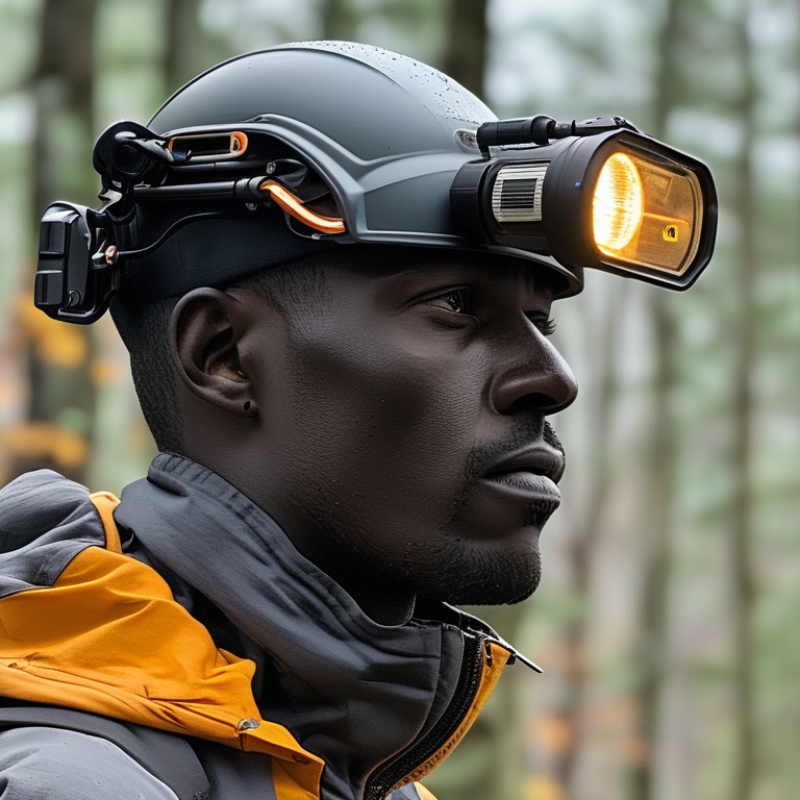
What is a Headlamp With Sensor and How Does It Work?
A headlamp with a sensor is an innovative lighting solution designed for hands-free use. This device features a built-in motion sensor that detects when you approach or move away. When activated, the headlamp turns on automatically, ensuring you don’t fumble for a switch in the dark. The sensor adds convenience, especially for tasks like camping or repair work. You can focus on your activity without the distraction of turning the light on or off.
When using a headlamp with a sensor, it's essential to consider the environment. Motion sensors can be sensitive to movement. They may activate in unexpected ways if there are sudden changes in light or the presence of nearby objects. For example, a passing car might trigger it if you're on the roadside. Testing the headlamp in various settings can help you understand its quirks and enhance your experience.
Proper maintenance extends the life of your headlamp. Regularly check the sensor area to ensure it's clean and unobstructed. Dirt or debris can interfere with its functionality. Store the headlamp in a place where it won't get damaged, as physical impacts can affect sensitivity. Avoid exposing it to extreme temperatures, which can degrade the battery life. These simple actions can improve reliability in crucial moments.
Key Benefits of Using a Sensor Headlamp for Various Activities
Sensor headlamps are becoming increasingly popular among outdoor enthusiasts and professionals. One key benefit of using a sensor headlamp is the convenience it offers. With motion sensors, these headlamps can automatically turn on or off, allowing users to focus on their activities without fumbling for a switch. This feature enhances safety and usability, especially in low-light conditions.
Data from industry studies indicate that up to 70% of users find motion-sensing technology improves their experience while hiking or camping. Additionally, sensor headlamps often come with adjustable brightness settings. This means users can conserve battery life by dimming the light when less illumination is needed. Such adaptability makes these headlamps a reliable choice for long-term outdoor activities.
When choosing a sensor headlamp, consider the range of brightness options available. Higher lumens are essential for navigating challenging terrains. Ensure the headlamp has a good battery life, ideally allowing for at least 20 hours of use on a lower setting. Experiment with different settings during your activities. Not every situation requires maximum brightness, and adjusting as needed can extend your battery life.
Features to Consider When Choosing a Sensor Headlamp
When choosing a headlamp with a sensor, several features stand out. First, consider the light output. Look for lumens that meet your needs. A higher lumen count means brighter illumination. Also, check the beam distance. For outdoor activities, this is crucial. A focused beam can enhance visibility over long ranges.
The weight of the headlamp plays a significant role too. Heavier models may cause discomfort during extended use. Choose lightweight options for better comfort. Additionally, the battery life is essential. Longer life means less frequent replacements. Rechargeable batteries can be more convenient than disposables.
Be aware of the sensor's responsiveness. A fast reaction time ensures the light turns on or off quickly. This can save energy and extend battery life. Moreover, consider the weather resistance rating. An IPX rating indicates how well the headlamp withstands moisture.
Tips: For maximum comfort, adjust the headband properly. A snug fit prevents bouncing. Regularly check the sensor for dirt or obstructions. This ensures optimal performance. Keep the headlamp clean for longevity.
Comparison of Sensor Headlamps vs. Traditional Headlamps
Sensor headlamps have unique advantages over traditional models. The key feature is the automatic lighting sensor. This sensor detects the surrounding brightness. When entering a dark area, the lamp adjusts its brightness accordingly. This means users don’t have to fumble with switches. It offers seamless usability, especially during tasks like camping or working in dim environments.
In contrast, traditional headlamps require manual operation. Users must remember to turn them on and off. This can be inconvenient, especially during prolonged usage. Moreover, traditional models often lack the sleek design of most sensor headlamps. They may feel bulkier or less comfortable over time. Users might find them more difficult to adjust for different tasks.
However, sensor headlamps are not flawless. Some users report sensitivity issues. In bright outdoor settings, the sensor might misinterpret the light levels. This can make the lamp dim unexpectedly at crucial moments. Such drawbacks highlight the need for users to consider their specific usage. Each option has its pros and cons, and what's ideal for one user might not suit another. Balancing convenience with performance is key in choosing the right headlamp.
Maintenance and Care Tips for Sensor Headlamps
Sensor headlamps offer convenience, but their maintenance is crucial for optimal performance. Regularly check the battery life, as sensors often drain power quickly. A 2022 industry report revealed that 25% of users experience reduced brightness due to battery issues. Keeping the headlamp clean is also essential; dust and moisture can impede sensor functionality. Wipe the lens and body gently with a microfiber cloth to maintain clarity and extend life.
Proper storage can prevent damage. Avoid extreme temperatures and humidity, which can affect electronic components. A survey indicated that improper storage accounts for 15% of headlamp malfunctions. It's also essential to regularly test the sensor feature to ensure responsiveness. Sensors might fail over time, and this aspect is frequently overlooked by users. Routine checks can save time and enhance safety during activities like hiking or camping, where dependable lighting is vital. Neglecting these simple maintenance steps could lead to frustration during critical moments.



 © Copyright 2020 Tianjin Tanghaidongyang Valve Co., Ltd. All Rights Reserved.