What is High Voltage Switchgear and Why is it Essential for You?
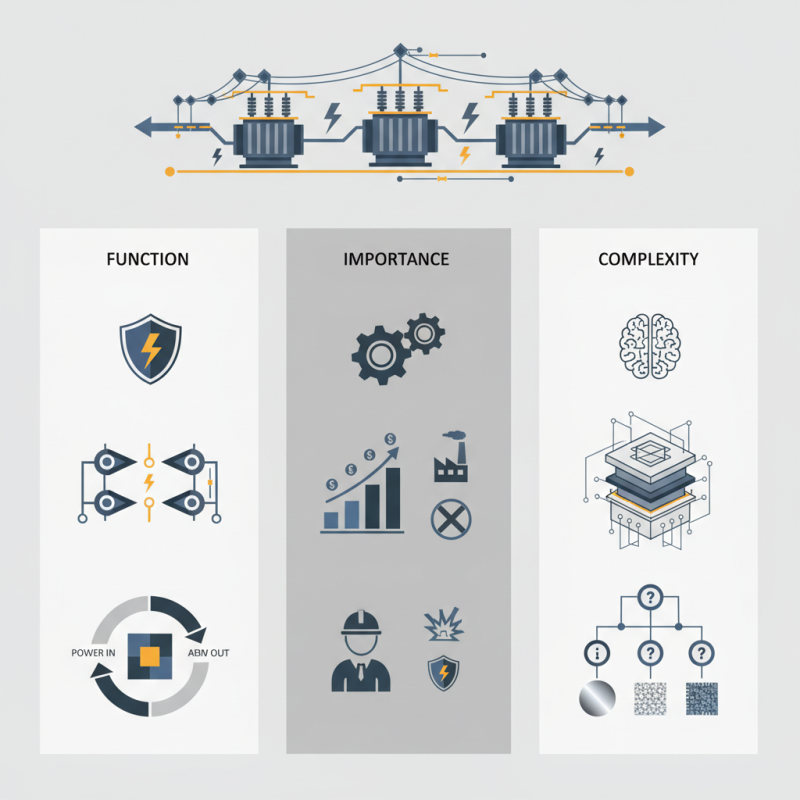
High Voltage Switchgear is a critical component in electrical systems. It enables the safe distribution of electricity from power sources to various users. Understanding its functions and importance is vital for industries relying on electricity.
These systems protect equipment and ensure reliable power supply. They isolate electrical circuits and control energy flow. Without High Voltage Switchgear, power disruptions could lead to significant financial losses and safety hazards.
The design of High Voltage Switchgear is complex. Engineers must account for various factors, including load requirements and fault conditions. The choice of materials and technology influences performance. This complexity can make it challenging to select the right switchgear. However, proper implementation ensures efficiency and safety in your operations.
What is High Voltage Switchgear?
High voltage switchgear plays a crucial role in electrical power systems. It is designed to control, protect, and isolate electrical equipment. This equipment can handle voltages above 1 kV, making it vital for industrial and utility applications. The switchgear ensures safe and efficient operation by managing fault currents and preventing equipment damage.
The configuration of high voltage switchgear varies. It can be indoor or outdoor, and it often consists of circuit breakers, disconnectors, and transformers. Understanding these components is essential for anyone involved in energy management. A well-maintained switchgear system improves reliability and reduces downtime, but neglect can lead to serious risks.
Tips: Regular inspections of switchgear are crucial. Look for wear or corrosion. Always follow safety protocols when working with high voltage equipment. Invest in proper training for staff to avoid costly mistakes. Understanding the function of each component enhances system efficiency and safety.
What is High Voltage Switchgear and Why is it Essential for You?
| Dimension | Data |
| Voltage Rating | 3 kV to 800 kV |
| Typical Applications | Power Generation, Transmission, Distribution |
| Key Components | Circuit Breakers, Isolators, Load Break Switches |
| Safety Features | Arc Quenching, Pressure Relief, Grounding Systems |
| Maintenance Frequency | Annual Inspections Recommended |
| Environmental Considerations | Indoor/Outdoor, Temperature Ranges, Humidity Tolerance |
| Benefits | Reliable Operation, Enhanced Safety, System Flexibility |
Key Components of High Voltage Switchgear
High voltage switchgear is critical for managing electricity in industrial and utility applications. These systems protect electrical equipment and ensure safe operation. Understanding the key components helps in appreciating their importance.
One essential component is the circuit breaker. It interrupts fault currents and prevents damage. Another key element is the isolator switch. This device ensures safe maintenance by isolating sections of the circuit. Additionally, transformers play a vital role. They step up or step down voltage levels, making transmission efficient.
Control panels are also crucial. They allow operators to monitor and manage the switchgear. Protection relays detect abnormalities and trigger necessary actions. Each component contributes to the reliability of the system. Proper integration of these elements reflects a well-functioning high voltage switchgear. However, issues can arise from poor installation or maintenance. Regular checks are necessary to ensure performance and safety. You must reflect on the system's overall health to avoid failures.
How High Voltage Switchgear Operates
High voltage switchgear plays a crucial role in the safe distribution of electricity. It is essential for managing and controlling electrical power effectively. But how does it actually operate? Understanding its function can help you appreciate its necessity.
High voltage switchgear consists of various components that work together to protect electrical systems. When electrical currents exceed a designated threshold, the switchgear isolates affected parts. This prevents damage to equipment. Circuit breakers are vital in this process, acting swiftly to interrupt the flow. Disconnectors also come into play, ensuring maintenance can occur safely.
The operation of high voltage switchgear can sometimes be taken for granted. It requires regular monitoring and testing to maintain reliability. Faulty equipment may result from wear over time. Operators must remain vigilant to avoid lapses in safety. As technology advances, incorporating newer designs can improve efficiency. However, the balance between innovation and traditional methods often prompts debate. Understanding these dynamics helps clarify why high voltage switchgear is vital in modern energy management.
Importance of High Voltage Switchgear in Power Systems
High voltage switchgear plays a pivotal role in modern power systems. Its primary function is to control and protect electrical equipment in substations and power plants. The global market for switchgear was valued at approximately $83 billion in 2022 and is expected to grow steadily. This growth highlights the increasing importance of reliable power distribution.
One significant benefit of high voltage switchgear is its ability to enhance the reliability of electrical systems. It minimizes downtime by quickly isolating faults. According to industry reports, effective switching mechanisms can reduce outage times by up to 25%. However, many facilities overlook the necessity of regular maintenance, which can lead to failures that disrupt power supply.
Despite its crucial functions, high voltage switchgear requires careful consideration during installation. Incorrect design and placement can compromise safety and efficiency. Studies suggest that nearly 30% of power outages are linked to inadequate switchgear management. Therefore, decision-makers need to prioritize proper assessments and user training, ensuring compliance with industry standards. Prioritizing these factors can lead to a significant increase in operational effectiveness and safety.
Applications and Benefits of High Voltage Switchgear
High voltage switchgear plays a critical role in electrical systems. It manages and controls the flow of electricity efficiently. These systems are essential in substations, industrial plants, and renewable energy facilities. They help ensure safe operations and protect equipment from faults.
In terms of applications, high voltage switchgear is vital for grid stability. It helps integrate renewable sources like solar and wind. Additionally, it serves in transmission networks, enhancing reliability. With advancements, this equipment has become more compact. Modern designs focus on saving space and improving energy efficiency.
The benefits are numerous. High voltage switchgear can reduce operational risks and maintenance costs. It helps in quick fault isolation, minimizing downtime. However, potential challenges may arise from installation complexity. Proper training and knowledge are essential for effective use. Understanding these systems is key to maximizing their advantages.


 © Copyright 2020 Tianjin Tanghaidongyang Valve Co., Ltd. All Rights Reserved.