Shade ratings describe the portion of sunlight a net blocks, not the amount every plant needs. A 30% shade net nominally blocks 30% and transmits about 70%; actual light varies with sun angle, cloud cover, and net condition. Start with the crop. University of Minnesota Extension guidance says most fruiting vegetables need at least six hours of direct sun daily, while leafy crops generally tolerate more shade. That is a useful starting point, not a universal rule.
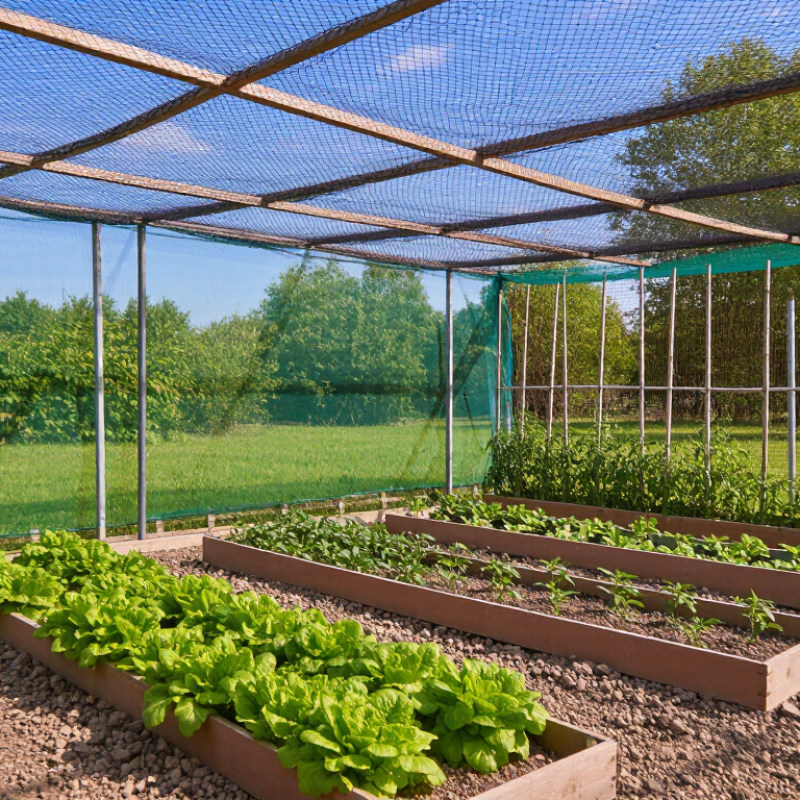
Match the rating to your garden’s measured light. If tomatoes already receive six hours of direct sun, heavy shade may reduce flowering and fruiting. In a hot bed of lettuce, moderate shade can soften harsh afternoon sun and slow bolting. Check light at leaf height, ideally with a PAR meter, and compare readings before and after installing netting.
A shade percentage alone cannot predict daily light because morning and afternoon sunlight differ. Even this math has limits. I would begin with a removable, lighter net, then observe leaf color, growth, and soil drying for a week.
Extension recommendations describe crop needs, but local heat, season, and reflected light can change the result. University of Minnesota Extension, “Growing Vegetables in Shade.”



 © Copyright 2020 Tianjin Tanghaidongyang Valve Co., Ltd. All Rights Reserved.