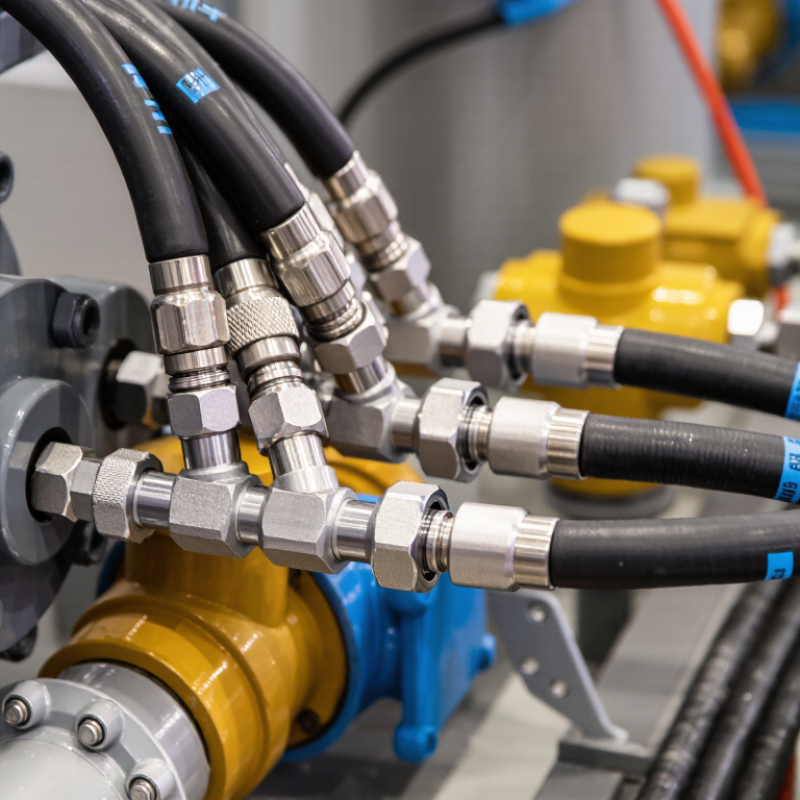
| Hydraulic power systems | Mineral-oil hydraulic fluid | Oil-compatible synthetic-rubber tube with textile or steel-wire reinforcement | Check the hose rating against both the fluid temperature and the surrounding environment; heat can reduce pressure capacity. | Choose a working-pressure rating above the maximum operating pressure, including pressure surges. Hydraulic hoses are available in a wide range of pressure classes. | Confirm compatibility with the exact fluid formulation, fittings, and applicable hose standard. Do not use a general-purpose water hose. |
| Compressed-air tools | Compressed air, sometimes containing oil or moisture | Reinforced rubber or thermoplastic air hose, selected for the compressor system | Account for hot compressor discharge air and ambient heat; use a hose specifically rated for the service temperature. | Use the hose's stated working-pressure rating, not its burst pressure, and allow for compressor pressure cycling and surges. | Check whether the air contains oil, and secure connections to prevent whip hazards. Never use a hose with a pressure rating below the system requirement. |
| Water transfer | Fresh water or process water | EPDM- or PVC-based hose, depending on temperature, flexibility, and water quality | Verify the product's temperature limits, especially for hot water; ordinary water hoses may not be suitable for hot-water service. | Select for the maximum line pressure and any pump-start or valve-closing surges. | For drinking water, use a hose certified for potable-water contact in the intended jurisdiction. Check compatibility with cleaning agents and additives. |
| Fuel transfer | Gasoline, diesel, or another specified fuel | Fuel-rated hose with a tube and cover formulated for the particular fuel; reinforced construction where required | Consider fluid temperature, engine-compartment heat, and outdoor exposure. Fuel blends can affect material compatibility. | Match the pressure rating to the delivery or return circuit; do not assume a low-pressure fuel hose is suitable for fuel injection. | Check compatibility with the exact fuel blend, including ethanol content where relevant. Use fittings and clamps intended for fuel service. |
| Steam cleaning or steam transfer | Saturated steam or hot condensate | Purpose-built steam hose with materials and reinforcement rated for steam service | Steam temperature is linked to pressure; select a hose rated for the actual operating conditions and avoid exceeding its temperature limit. | Use the steam hose's specific working-pressure rating at the operating temperature. Do not substitute a standard water hose. | Steam service is demanding and can accelerate hose degradation. Inspect regularly and follow the hose maker's installation and replacement guidance. |
| Chemical transfer | A specified acid, alkali, solvent, or process chemical | Chemically compatible liner, such as a selected elastomer or fluoropolymer, with suitable reinforcement and cover | Confirm compatibility at the actual concentration and temperature; chemical resistance can change as temperature rises. | Check pressure and vacuum capability separately, as well as any transient loads during filling, draining, or cleaning. | Verify the exact chemical name, concentration, temperature, exposure duration, and permeation requirements against a compatibility guide or technical supplier. |
| Food or beverage transfer | Water, dairy, beverages, oils, or food ingredients | Food-contact hose with a liner suited to the product and the cleaning process | Include product temperature and cleaning or sanitizing temperatures in the selection. | Select for operating pressure, cleaning cycles, and any suction or vacuum conditions. | Confirm food-contact certification for the intended region and application. Ensure the hose can be cleaned without damaging its liner. |



 © Copyright 2020 Tianjin Tanghaidongyang Valve Co., Ltd. All Rights Reserved.