How to Choose the Right Palletizing Machine?
Choosing the right Palletizing Machine starts with the work your line actually does, not the fastest number on a brochure. A case of bottled drinks behaves differently from a soft bag of grain or a mixed-SKU carton. Measure package dimensions, weight, pallet pattern, and hourly output across normal and peak shifts. Include awkward loads. They often reveal the real constraint.
Space matters, too. A compact robotic cell may fit around existing conveyors, while a conventional layer system may suit steady, high-volume production. Check floor space, ceiling height, access for operators, and how pallets enter and leave the area. Look closely at changeover time if products vary. Minutes add up. Also consider controls, guarding, upstream equipment, and the skills available for routine maintenance. A machine that runs quickly but stops often may not improve overall throughput.
Ask suppliers to test representative products and pallet patterns, then review the results with your production and maintenance teams. Confirm what the quoted capacity includes, and request details about service response, spare parts, training, and integration. Simple questions help. What happens when a carton is damaged? How easily can a recipe be changed? And, honestly, early estimates can be wrong when real packages behave differently from samples. Treat the decision as a process, not a single speed comparison. The best fit should meet your output needs, handle foreseeable product changes, and remain practical to operate on an ordinary shift.
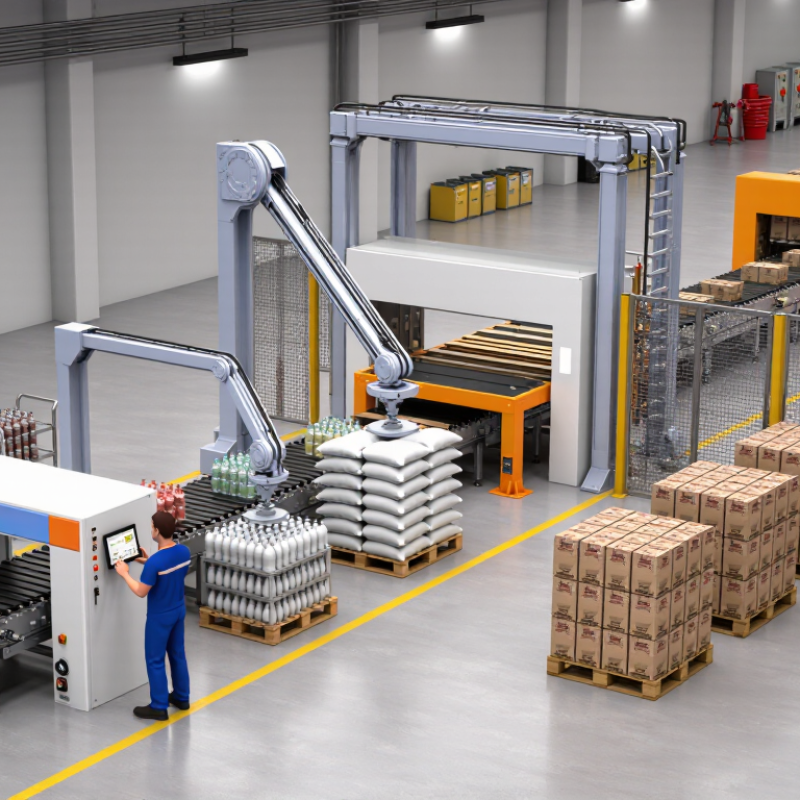
Identify Your Palletizing Requirements and Operating Conditions
Start with the load, not the machine. Record each product’s dimensions, weight, packaging material, and daily volume. A carton that is slightly crushed may behave differently from a rigid box. Note the pallet size and required stacking pattern, too. If product sizes vary, measure the full range rather than relying on an average. Small differences matter.
Then examine the operating conditions. How many hours will the line run, and how often will products change? Measure available floor space, ceiling height, and access for maintenance. Check how cartons arrive at the palletizing station, including gaps or uneven spacing. Dust, cold rooms, and frequent washdowns can affect equipment choice. A tidy spreadsheet can still miss a real bottleneck; observe the line during a busy shift. Test proposed stacking patterns with actual loads, and confirm that completed pallets remain stable during handling.
Tips: Track peak output, not just the daily average. Photograph existing pallet patterns and note awkward cases, such as a short final layer. Ask for a trial using representative products and pallets. Keep one detail open to review: estimates of future volume are often wrong, and overbuilding can take space without solving today’s constraint.
Check Payload, Throughput, and Product Compatibility
Payload is more than the weight printed on a carton. Include the end-of-arm tool, clamps, and any product layers the machine lifts together. Keep a margin for uneven loads and quick acceleration. A gripper that works on paper may struggle with a soft, shifting bag. That matters.
Throughput should reflect the full palletizing cycle, not just the robot’s fastest movement. Count picking, placing, pallet changes, and brief pauses for product flow. Then compare that figure with peak production, not only the daily average. Run a real test. A slower, steady cycle may be more useful than a quoted rate your line rarely reaches.
Product compatibility depends on shape, surface, and packaging strength. Tall cartons, slippery shrink-wrapped bundles, and mixed-size cases can need different gripping methods. Check whether the machine can handle your actual pallet pattern, including corner overhangs and layer sheets. Bring representative products for a trial, and watch for crushed edges or shifting stacks. One detail is easy to miss: packaging can change between suppliers, so leave room to retest when materials change. I would not choose from a specification sheet alone; it can hide awkward handling issues.
Evaluate Layout, Safety, Controls, and Integration Needs
Choosing a palletizing machine starts with the floor, not the payload. Measure the full cell, including pallet staging, conveyor turns, operator access, and space for maintenance. A 2024 MHI Annual Industry Report found that 55% of surveyed supply chain professionals planned to increase technology investment. That wider trend makes integration planning essential, but it does not guarantee a system will fit your operation.
Map safety and controls around real tasks. Check where workers load empty pallets, clear jams, and change product recipes. Specify guarding, access points, and safe stop procedures with qualified safety professionals. For controls, confirm the machine can exchange clear signals with upstream conveyors, scanners, and warehouse software. Agree on who owns fault messages and recovery steps before installation. One uncomfortable truth: the neatest cell on paper may fail during a rushed changeover.
Tips: Tape the proposed footprint onto the floor and walk the route with operators. Test sample cartons, including the lightest and most awkward cases. Ask the integrator to document interface requirements, cycle assumptions, and maintenance clearances. Leave room for a future line change; forecasts can be wrong, and floor space is hard to reclaim.
How to Choose the Right Palletizing Machine?
Compare key planning considerations before selecting a palletizer.
Example planning scores on a 1–5 scale, not industry benchmarks. Rate each factor for your facility: check floor space and product flow, assess guarding and safe access, confirm control-system needs, and verify communication with upstream and downstream equipment.
Compare Total Costs, Support, and Supplier Capabilities
Choosing the right palletizing machine means comparing more than the purchase price. Calculate total cost across installation, tooling, operator training, energy use, maintenance, and expected downtime. Ask for a clear estimate of replacement parts and service rates. A low-cost machine can become expensive if a routine repair stops a full shift.
Use your own production details when comparing suppliers. Share the number of cartons per minute, pallet sizes, product changes, and available floor space. Ask who handles commissioning and how quickly support can respond. Check whether technicians are nearby and spare parts are kept in stock. Request a live trial with your cartons, not just a polished demonstration. Watch how the machine handles uneven boxes and small production changes. Supplier claims are useful, but they need verification. Even a careful forecast can miss something.
Tips: Ask for a written service plan, a sample maintenance schedule, and references from similar operations. Clarify what training includes. Then review the figures with operators and maintenance staff; they may spot practical costs that a spreadsheet misses.



 © Copyright 2020 Tianjin Tanghaidongyang Valve Co., Ltd. All Rights Reserved.