Why Choose Industrial Dynamic Checkweighers at the 139th Canton Fair?
In the context of the 139th Canton Fair, the importance of "Industrial Dynamic Checkweighers" cannot be overstated. This event, set for April 2026, focuses on advanced manufacturing and innovative technologies. Industry expert John Smith states, "Dynamic checkweighing is a game changer for the production line." His words highlight the significance of precision in manufacturing.
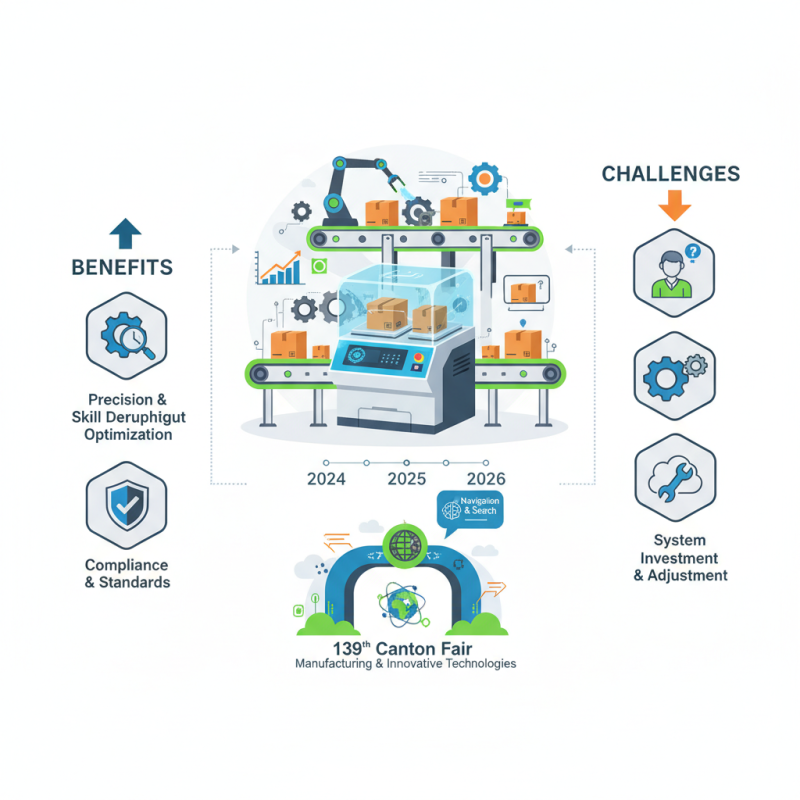
The Canton Fair will showcase cutting-edge solutions that enhance efficiency. With the introduction of AI navigation and search features, buyers can easily find suppliers meeting high standards. The dynamic checkweighers on display promise to optimize workflows and ensure compliance with quality standards. This is crucial for businesses aiming to meet consumer demands.
However, there is a need for reflection in the adoption of these technologies. Implementing checkweighers requires training and adjustment. Companies may struggle with integration into existing systems. These challenges shouldn’t overshadow the benefits, as the value of industrial dynamic checkweighers is increasingly recognized in the competitive market landscape.
Benefits of Industrial Dynamic Checkweighers for Quality Control
Industrial dynamic checkweighers are essential for quality control in manufacturing. They ensure that products meet weight specifications, which is critical for compliance and customer satisfaction. According to a recent industry report, nearly 75% of manufacturers cited weight discrepancies as a major reason for product recalls. This highlights the need for accurate weighing solutions.
These checkweighers are designed to operate quickly and efficiently. They provide real-time data, allowing for immediate adjustments in production lines. A study indicated that companies using dynamic checkweighers saw a 30% reduction in overpacking costs. This not only saves money but also minimizes waste. However, some manufacturers may overlook regular maintenance, leading to inaccuracies. Such oversights can compromise product integrity.
The technology behind dynamic checkweighers is evolving. Many now integrate with automated systems for enhanced tracking and data analysis. More than 60% of industry leaders report improved operational efficiency through these systems. Despite these advancements, some organizations still struggle with user training. Proper operation is essential to maximize the benefits. Ignoring this can result in wasted resources and potential quality control failures.
Key Features of Dynamic Checkweighers for Industrial Applications
When considering the choice of industrial dynamic checkweighers, it's essential to focus on their key features tailored for various applications. In the packaging sector, for instance, dynamic checkweighers ensure that products meet strict weight requirements. According to industry reports, companies can reduce product giveaway by up to 2% by using accurate checkweighers. This small percentage may seem negligible, but it translates into significant savings for manufacturers.
Speed and accuracy are critical. Many dynamic checkweighers operate at speeds exceeding 300 packages per minute while maintaining precision within ±0.5 grams. High accuracy helps maintain compliance with regulatory standards. Furthermore, user-friendly interfaces allow operators to quickly adjust settings and troubleshoot effectively. However, there may be some limitations in handling highly variable product sizes, which could impact performance.
Another noteworthy aspect is the integration with other production systems. Many checkweighers now feature advanced connectivity, enabling seamless data transfer. This integration can enhance real-time monitoring and analytics. Despite these advancements, users often report challenges in ensuring continuous operation during maintenance or calibration checks. This signifies the need for ongoing optimization and improvement in these systems to guarantee efficiency in industrial settings.
Comparative Analysis: Dynamic Checkweighers vs. Traditional Weighing Systems
Dynamic checkweighers are revolutionizing the industrial weighing process. They offer speed and accuracy that traditional systems struggle to match. Unlike older methods, dynamic checkweighers operate in real time, reducing downtime and enhancing efficiency. Products move quickly across the scale, and results are delivered instantly. This real-time feedback allows for immediate corrections.
Another notable difference is the ability to handle varying product sizes. Traditional systems often require manual adjustments for different weights, which can slow down production. Dynamic checkweighers adapt automatically, improving the flow of goods. However, transitioning to this new technology may pose challenges. Staff may need training, and initial costs can be higher. There might also be unexpected integration issues with existing systems.
Despite these potential drawbacks, the advantages are substantial. Longer-term savings on labor and increased throughput can outweigh the initial investment. Companies must weigh both sides and analyze whether the shift is right for them. It's essential to consider unique operational needs when discussing the switch from traditional to dynamic systems.
Comparison of Dynamic Checkweighers vs. Traditional Weighing Systems
Real-World Applications of Dynamic Checkweighers in Various Industries
Dynamic checkweighers play a crucial role in various industries. These machines ensure products meet weight specifications. In the food industry, for instance, they help maintain compliance with safety standards. Reports indicate that automation in food processing can reduce errors by 70%. This means fewer recalls and improved consumer trust.
In packaging, dynamic checkweighers help optimize material usage. They minimize excess packaging, which can reduce costs. A recent study found that companies that implement these systems see a 15% reduction in material waste. The plastic reduction also supports sustainability goals, a significant concern today.
The pharmaceutical sector benefits tremendously as well. Accurate weight measurements are vital for drug formulations. Inaccuracies can lead to severe consequences. Some companies reported a decrease in weighing errors by more than 60% after using dynamic systems. Even with these efficiencies, there’s always room for improvement in calibration processes. Continuous monitoring is essential to maintain accuracy over time.
Why the 139th Canton Fair is the Ideal Venue for Showcasing Innovations
The 139th Canton Fair serves as an excellent platform for showcasing innovations in various industries. This famous trade event attracts global manufacturers, suppliers, and buyers. Opportunities abound for networking and exploring the latest technologies. The atmosphere buzzes with energy, creativity, and collaboration. Each corner of the fair echoes new ideas and solutions.
Innovations, especially in industrial technologies, take center stage. Attendees can interact directly with groundbreaking products. For instance, dynamic checkweighers stand out among the highlights. These devices ensure product quality and compliance, critical in manufacturing. Exhibitors demonstrate how these systems enhance efficiency and accuracy. Visitors can see first-hand how they work, addressing their unique challenges.
However, navigating such a vast fair can be overwhelming. Some attendees may miss key insights amid the crowded spaces. It’s crucial to plan ahead and prioritize booths of interest. Rushing could lead to overlooked innovations that might benefit businesses significantly. Therefore, reflecting on personal goals before attending is vital to maximize the experience.
Why Choose Industrial Dynamic Checkweighers at the 139th Canton Fair?
| Feature | Benefits | Application Areas |
| High Precision Weighing | Ensures quality control and compliance with legal requirements | Food and Beverage Industry |
| Dynamic Monitoring | Improves production efficiency and reduces product losses | Pharmaceuticals |
| User-Friendly Interface | Easier operation and minimizes training time for staff | Manufacturing |
| Integration Capabilities | Seamless connection with existing systems enhances data analysis | Logistics and Distribution |
| Robust Design | Durable and reliable for heavy industrial use | Chemical Industry |


 © Copyright 2020 Tianjin Tanghaidongyang Valve Co., Ltd. All Rights Reserved.