What is a Light Van and Why is it Essential for Your Business?
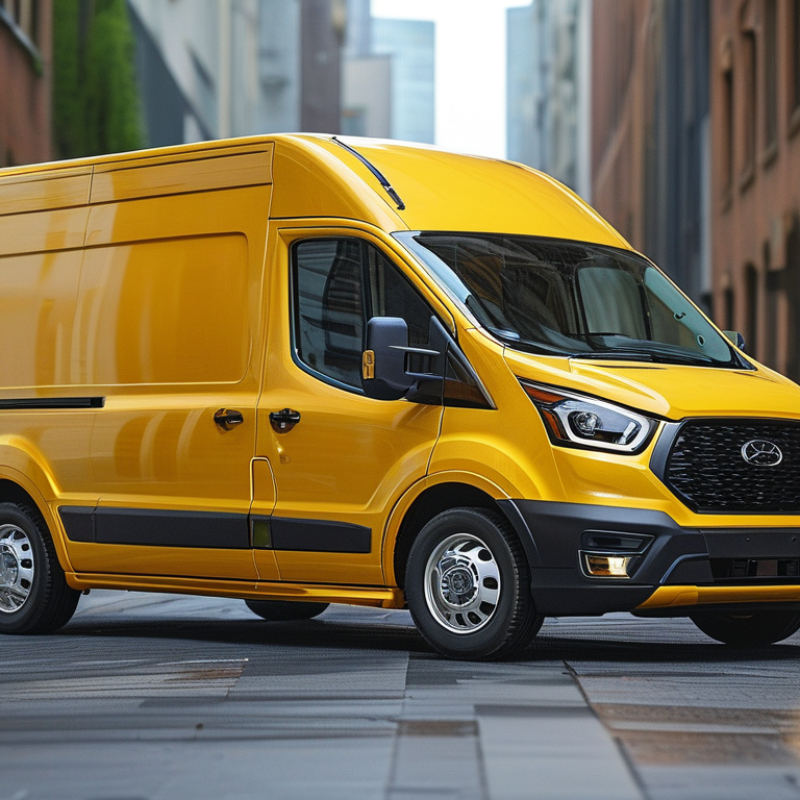
A Light Van is more than just a vehicle; it's a vital asset for many businesses. As John Smith, a logistics expert with over 15 years of experience, puts it, "A Light Van can redefine your operational efficiency." This vehicle offers versatility, allowing businesses to transport goods easily and efficiently.
In urban settings, navigating tight spaces is crucial. A Light Van is compact enough to maneuver through congested streets. Yet, it is spacious enough to hold significant cargo. It serves small businesses that require a reliable option without breaking the bank.
However, businesses must consider their specific needs. Not every Light Van fits all industries. Some models emphasize fuel efficiency, while others focus on payload capacity. Reflecting on these factors can help determine the best choice. Overall, investing in a Light Van can streamline your logistics and enhance service delivery.
Definition and Characteristics of a Light Van
A light van is a versatile vehicle, essential for many businesses. Characterized by its lightweight design, it typically has a maximum payload of around 1,500 kg. Many light vans offer ample cargo space, making them suitable for transporting goods. This flexibility is valuable for companies involved in delivery services, trades, and logistics.
These vehicles often come with features that enhance efficiency. Side loading doors allow easy access to the cargo area in tight spaces. Various sizes and configurations cater to specific business needs. However, selecting the right light van can be challenging. Factors like fuel efficiency, maintenance costs, and load capacity must be considered. Overlooking these aspects may lead to operational inefficiencies, impacting the bottom line.
When thinking about a light van, consider how it fits into your business operations. It should not only meet transport needs but also adapt to changing demands. Investing time in research can lead to better choices. Improper decisions can result in increased costs or insufficient capability. Understanding the characteristics of a light van plays a crucial role in making informed choices for your business.
Advantages of Using a Light Van for Businesses
A light van is a versatile vehicle that plays a significant role in various industries. Its compact size allows for easy navigation in urban environments. Businesses benefit from its ability to transport goods without the limitations of larger trucks. This flexibility can enhance delivery efficiency, crucial for customer satisfaction.
One of the major advantages is the cost-effectiveness. Light vans consume less fuel than heavier vehicles. This can lead to substantial savings over time, especially for businesses with tight budgets. Furthermore, insurance costs are often lower for light vans. The financial benefits can improve a business's bottom line.
However, relying solely on a light van may not suit every situation. Some businesses may find their capacity limited. It's important to assess the specific needs of your operations. Evaluating your transportation requirements will help ensure that a light van is the right choice for you. Understanding these nuances assists in making informed decisions for your business's logistics.
Advantages of Using a Light Van for Businesses
This chart illustrates the advantages of using a light van for businesses, scoring from 1 to 10 based on various dimensions including fuel efficiency, cargo capacity, maneuverability, cost-effectiveness, and branding opportunities. These factors highlight why a light van is essential for business operations.
Common Uses of Light Vans in Various Industries
Light vans play a pivotal role in various industries, offering flexibility and efficiency. In the construction sector, they are essential for transporting tools and equipment. Teams can easily load and unload materials at job sites, adapting to changing needs. A light van can navigate tight spaces, unlike larger vehicles. This mobility is crucial when time is money.
In the retail and logistics industries, light vans serve a similar purpose. They facilitate deliveries, reaching clients swiftly. With adequate space for packages, these vehicles ensure goods arrive intact. Many business owners appreciate how easy they are to drive in urban areas. However, some might underestimate their maintenance costs. Regular checks are vital to prevent unexpected breakdowns.
Catering and food delivery services also utilize light vans. They transport fresh ingredients, ensuring quality. The temperature control is vital to maintain food safety. Yet, managing the logistics can be challenging. Navigating busy streets can lead to delays. Still, light vans are invaluable, proving their importance across different sectors.
Factors to Consider When Choosing a Light Van
Choosing the right light van is crucial for your business operations. Many factors deserve careful consideration. Assess your cargo capacity needs first. How much weight and volume will you transport daily? Ensure the van can accommodate your items comfortably. A cramped space can lead to damage or inefficiency.
Next, evaluate fuel efficiency. A light van with better mileage can save you money over time. Analyze the long-term costs, not just the purchase price. Maintenance and insurance are also important aspects. You may need to adjust your budget accordingly. Consider your target market and routes. Will the van navigate urban areas easily?
Another aspect is technology. Modern light vans come equipped with features that enhance safety and efficiency. Look for vehicles with GPS tracking and collision avoidance systems. These can increase reliability. Don’t overlook comfort either. A well-designed interior improves driver morale. Sometimes, minor details make a significant difference in daily operations. Prioritize your specific needs and do thorough research before making a purchase.
Maintenance and Best Practices for Light Van Operations
Maintaining a light van is crucial for smooth business operations. Regular check-ups can help avoid costly breakdowns. Always inspect the tires, brakes, and lights before every trip. Small issues can escalate quickly if neglected. Create a maintenance schedule that fits your operational needs. Routine oil changes and fluid checks keep the engine running efficiently.
Best practices include keeping a detailed log of all service records. This helps track maintenance history and highlights patterns. Regular cleaning, both inside and out, protects the van's value and image. Organizing tools and equipment properly ensures efficiency on the road. However, even the best plans can falter. Occasionally, unexpected repairs may arise. Be prepared for these surprises with an emergency fund.
Improving driver habits also plays a vital role. Educate drivers on fuel-efficient practices. Encourage safe driving to minimize wear and tear. However, remember that not all drivers adhere to guidelines perfectly. Frequent training sessions can reinforce best practices. This contributes positively to the longevity of your light van. Being proactive can lead to significant savings over time.
What is a Light Van and Why is it Essential for Your Business? - Maintenance and Best Practices for Light Van Operations
| Feature | Importance | Best Practices |
| Fuel Efficiency | Reduces operational costs | Regular maintenance to ensure optimal performance |
| Load Capacity | Enables transportation of goods | Avoid overloading to prevent damage |
| Safety Features | Ensures driver and cargo safety | Regular checks on brakes, lights, and tires |
| Reliability | Minimizes downtime | Scheduled preventative maintenance |
| Flexibility | Adapts to various business needs | Utilize for different types of deliveries |



 © Copyright 2020 Tianjin Tanghaidongyang Valve Co., Ltd. All Rights Reserved.