What is a Main Circuit Breaker and How Does it Work?
The Main Circuit Breaker is a crucial component of electrical systems. According to the National Fire Protection Association (NFPA), electrical failures contribute to approximately 25% of home fires. This statistic underscores the importance of reliable circuit protection. A Main Circuit Breaker can help mitigate these risks by controlling the flow of electricity and providing overcurrent protection.
Understanding how a Main Circuit Breaker operates is essential for maintaining safety in residential and commercial buildings. This device disconnects power during overloads or short circuits, preventing potential hazards. Reports from the Electrical Safety Foundation International highlight the need for proper maintenance of these breakers to ensure maximum reliability.
Despite their critical role, many people often overlook the condition and performance of their Main Circuit Breakers. Regular inspections and timely replacements can significantly enhance electrical safety. Awareness of such factors can prevent devastating fires and ensure compliance with safety standards. Evaluating your electrical system is not just a recommendation; it is a necessity.
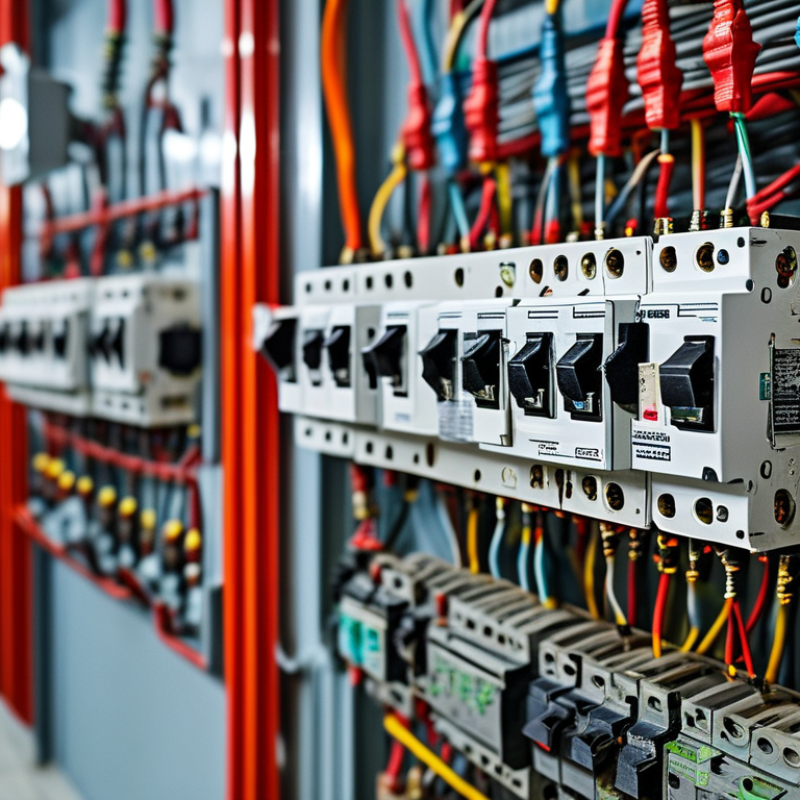
What is a Main Circuit Breaker? Definition and Functionality Explained
A main circuit breaker is a crucial safety device in electrical systems. It acts as the primary disconnect for electrical power in buildings. This device protects the wiring and electrical appliances from damage caused by overloads or short circuits. When the electrical current exceeds safe levels, the main circuit breaker will trip, cutting off power to prevent fires or equipment malfunctions.
Understanding its functionality is important. The main circuit breaker monitors the flow of electricity. If it senses too much current, it automatically interrupts the power supply. This self-protective feature is essential for maintaining safe operation. Homeowners should regularly check their breakers. Neglecting this can lead to dangerous situations, such as electrical fires.
Issues may arise over time. Circuit breakers can wear out or become less responsive. Regular maintenance and inspections help ensure reliability. Being proactive is better than dealing with a complete power outage or worse. Knowing how to reset a tripped breaker is a valuable skill for homeowners. It’s a simple process that can often restore power quickly. Maintaining awareness of your electrical system will enhance safety.
The Importance of a Main Circuit Breaker in Electrical Systems
A main circuit breaker is crucial for any electrical system. It acts as a primary safety switch, cutting off electricity in emergencies. This device helps prevent potential hazards like electrical fires and equipment damage. By managing the flow of electricity, it protects both lives and property.
Regular maintenance is essential to ensure the circuit breaker functions properly. Look for signs of wear, such as unusual noise or tripping issues. If your breaker trips frequently, it might indicate an overload or fault. Consulting a licensed electrician can help address these issues effectively.
Keeping a clear path to the main circuit breaker is important, especially during emergencies. Ensure that it is accessible and not blocked by furniture. This can save time and prevent injuries in critical situations. Regularly test the breaker for functionality, as this practice enhances overall safety.
How a Main Circuit Breaker Operates: Components and Mechanisms
A main circuit breaker is a vital component in any electrical system. It serves as the main switch that controls the flow of electricity throughout a building. Understanding how it operates can help demystify its critical role in electrical safety. The main circuit breaker is typically installed in a breaker panel and connects to the main power supply.
Inside the breaker, there are several components working together. The most common types include thermal and magnetic mechanisms. The thermal mechanism trips when it senses excessive heat, while the magnetic mechanism reacts to a sudden surge in current. These components respond quickly to prevent overloads and short circuits. They are built with precision but are not immune to failure. Issues like wear and tear can lead to malfunction, which may compromise safety.
Regular maintenance is essential for these breakers. Dust and corrosion can hinder their performance, making annual inspections a good practice. Therefore, while main circuit breakers are designed for reliability, ensuring they are functioning correctly requires attention. Owners should be aware of signs indicating a problem, such as flickering lights or frequent tripping. Addressing these issues promptly can prevent potential hazards.
Industry Standards: Ratings and Specifications for Main Circuit Breakers
Main circuit breakers play a key role in electrical systems. They serve as the main disconnect for electrical panels. Understanding their ratings and specifications is vital for safety and efficiency. Industry standards dictate that these breakers must meet specific performance criteria. This ensures that they can handle the electrical load without tripping unnecessarily.
The National Electrical Manufacturers Association (NEMA) and the International Electrotechnical Commission (IEC) set standards for these breakers. They provide guidelines on voltage ratings, current ratings, and short-circuit protection. For instance, the current rating is often expressed in amperes, and it indicates the maximum load a circuit breaker can handle. Choosing the right rating means assessing the total electrical demand of the installation.
It’s not just about choosing a breaker that fits; you must also consider environmental factors. Temperature, humidity, and installation location can affect performance. Overlooking these can lead to malfunction or reduced lifespan. Finding the right balance between specifications and installation conditions is essential for reliability. Regular maintenance and testing of circuit breakers can help in ensuring safety and longevity, yet these are often neglected in many settings.
Main Circuit Breaker Ratings and Specifications
This bar chart illustrates the typical amperage ratings of main circuit breakers. Understanding these ratings is essential for ensuring the electrical system operates safely and efficiently.
Common Applications and Safety Benefits of Main Circuit Breakers in Homes
Main circuit breakers play a crucial role in home electrical systems. They protect your electrical circuit from overloads and short circuits. When an issue arises, the breaker trips, cutting off power. This automatic response helps avoid potential fires and equipment damage. Understanding their function can increase your home safety significantly.
In residential settings, main circuit breakers are often installed in the utility room or basement. They usually come with a clear labeling system, making it easier to identify circuits. Regular maintenance is key. Homeowners should periodically check their breakers for signs of wear or corrosion. An outdated breaker may not function correctly, posing risks. Moreover, many people overlook the importance of proper labeling, which can lead to confusion during an emergency.
Installing a main circuit breaker is not just about compliance; it's about making informed choices for safety. A well-functioning breaker can act as the first line of defense against electrical hazards. Homes that lack this critical component might face severe risks. Reflecting on these factors can motivate homeowners to prioritize electrical safety in their households.



 © Copyright 2020 Tianjin Tanghaidongyang Valve Co., Ltd. All Rights Reserved.