Powerstation Battery Tips for Optimal Performance and Longevity?
In the world of portable energy solutions, understanding your Powerstation Battery is crucial for optimal performance. Dr. Emily Carter, an industry expert at Green Energy Innovations, emphasizes, "Proper maintenance can significantly extend the life of your Powerstation Battery." This insight highlights the importance of care and attention when using these batteries.
Powerstation Batteries provide an efficient way to harness energy for outdoor adventures or emergency situations. However, many users overlook simple practices that can enhance battery longevity. For instance, keeping your battery at moderate temperatures can prevent damage. Overcharging is another common mistake that can lead to decreased performance. Each small action contributes to the overall health of your Powerstation Battery.
As technology advances, battery performance can vary. Not all batteries are created equal; each brand and model may have its quirks. Regularly checking the battery’s health and following charging guidelines can make a significant difference. Continuous learning and adaptation are necessary. In the end, mindful usage of your Powerstation Battery can lead to a more sustainable and reliable energy source.
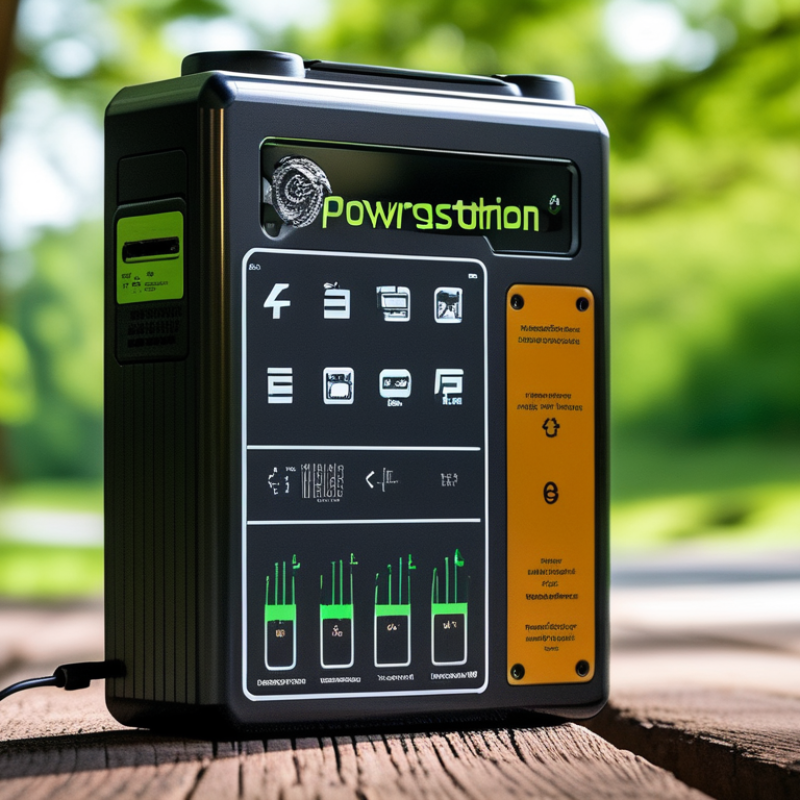
Understanding Powerstation Battery Basics for Optimal Usage
Understanding how to use powerstation batteries can significantly improve their lifespan and performance. Many users overlook basic maintenance practices, which leads to premature battery failure. It's essential to keep your powerstation in a moderate temperature environment. Extreme heat or cold can cause battery degradation.
Proper charging techniques are vital for optimal usage. Avoid letting the battery drain completely before recharging. Aim to recharge it when it reaches around 20% capacity. Frequent deep discharges can shorten the battery life considerably.
A regular checkup on the battery’s health can provide useful insights. Look for signs of swelling or corrosion. These are indicators of potential issues. Cleaning the terminals regularly is a good practice to maintain connectivity. Always use the correct charger to prevent damage and enhance efficiency. Adopting these habits can lead to better performance and longer battery life.
Powerstation Battery Tips for Optimal Performance and Longevity
Key Factors Affecting Powerstation Battery Performance
Powerstations rely on batteries to store and deliver energy. Understanding the factors affecting battery performance is crucial for users. Temperature has a significant impact. According to a study by the National Renewable Energy Laboratory, batteries exposed to high temperatures can lose up to 20% of their capacity. Keeping batteries within optimal temperature ranges extends their life.
Another key factor is charge cycles. Each cycle affects overall battery health. Studies reveal that lithium-ion batteries typically endure 300 to 500 full cycles before substantial degradation occurs. It's essential to manage these cycles wisely. Regularly charging to 80% instead of 100% can improve longevity. Users often overlook this but can significantly prolong battery life.
Finally, battery storage conditions matter. Storing a powerstation at a 50% charge in a cool, dry place is ideal. Batteries left in extreme conditions may develop permanent damage. Regular maintenance and monitoring can prevent unexpected failures. Understanding these elements offers users insight into enhancing their powerstations' performance and durability.
Effective Charging Practices for Long Battery Life
When it comes to maximizing battery life, effective charging practices are essential. Research shows that maintaining a battery's charge between 20% and 80% can significantly extend its longevity. This allows the battery to avoid the stress associated with extreme charge levels. In fact, studies indicate that a battery kept in this range can last up to 50% longer than one frequently charged to full capacity.
Charging your battery slowly can also yield benefits. Fast charging may be convenient, but it generates heat, which can degrade battery health over time. A recent report highlighted that batteries charged at a lower rate maintain efficiency better over prolonged use. The heat generated by quick charges can shorten the battery’s lifespan by as much as 30%.
Avoid overcharging whenever possible. Leaving devices plugged in overnight is a common habit, yet it invites risks. Batteries experience wear due to constant trickle charging. If your device allows it, consider enabling settings that optimize charge cycles. Using scheduled charging can help minimize this wear.
Maintenance Tips to Enhance Battery Longevity
Maintaining a power station battery often feels overwhelming, but it’s crucial for prolonging its life. Regularly check the battery voltage. This simple act can help detect potential issues early. Pay attention to the temperature during charging. Batteries can overheat, leading to decreased performance. It's wise to keep them within their recommended temperature range.
Cleaning the terminals is another important task. Dust and corrosion can hinder efficiency. Use a soft cloth to wipe away debris. Consider doing this monthly. Additionally, ensure that cables are connected securely. Loose connections can drain power unexpectedly.
Storage practices also matter. If a battery will not be in use for some time, store it in a cool, dry place. This prevents degradation. Charge it every three months to maintain its health. While these practices may require effort, neglecting them can lead to unexpected failures. Reflect on whether you have been diligent with these tasks. Small habits lead to significant benefits.
Troubleshooting Common Powerstation Battery Issues
Powerstation batteries are essential for portable energy solutions. Yet, users often face common issues. Identifying these problems can save time and enhance battery lifespan.
One frequent problem is reduced charging efficiency. If a battery seems slow to charge, check the power source. Sometimes, using a weak outlet can lead to inadequate power supply. Ensure that connections are clean and tight. Dust buildup can interfere with charging.
Another issue is quick discharging. If your device drains power rapidly, it may be due to temperature conditions. Batteries perform poorly in extreme heat or cold. Adjusting the environment can help maintain consistent performance. Try using insulation to shield batteries from temperature extremes.
Regular maintenance is crucial. Clean terminals regularly and avoid letting the battery run completely dry. Keeping it between 20% and 80% can prolong its life. Understand that every device has its own optimal charging cycles. Knowing these specifics helps achieve better function.
Even with proper care, some problems persist. Reflect on your usage habits and consider if adjustments are needed. Frequent troubleshooting leads to better battery management and longevity.



 © Copyright 2020 Tianjin Tanghaidongyang Valve Co., Ltd. All Rights Reserved.