What is Quick Connect Fitting and How Does It Work?
Quick Connect Fitting is an innovative solution in plumbing and HVAC systems. This fitting allows for easy and efficient connections without the need for tools or additional connectors. Users can enjoy a simple push-to-connect mechanism that saves time and reduces frustration.
Understanding how Quick Connect Fitting works empowers both professionals and DIY enthusiasts. The design features a unique grip mechanism, which ensures a secure fit while facilitating quick disconnection. This aspect is often underestimated but is essential for maintenance and repairs. The reliability of Quick Connect Fitting can enhance the overall efficiency of plumbing systems.
However, it's crucial to recognize the limits of this technology. Over-tightening or improper installation can lead to leaks. Users must pay attention to the compatibility of materials. Exploring both its advantages and potential pitfalls can lead to a deeper understanding and better usage of Quick Connect Fitting.
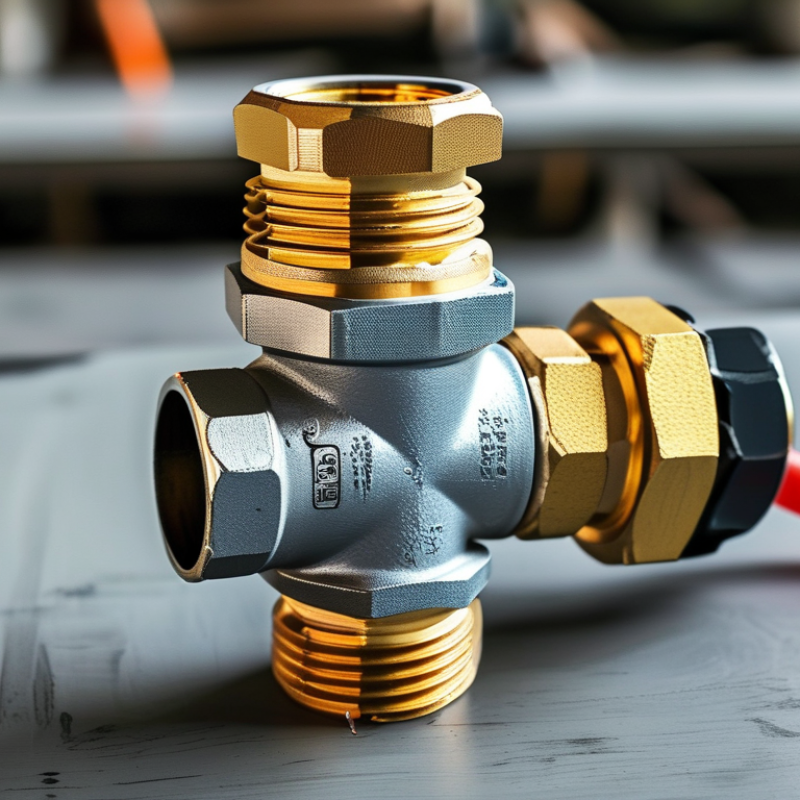
What is a Quick Connect Fitting? Definition and Overview
Quick connect fittings are essential components in plumbing and hydraulic systems. These fittings allow for easy and quick attachment of hoses without the need for tools. They are commonly used in various applications, from industrial processes to everyday home projects. Quick connect fittings enhance efficiency by providing an effective means of connecting and disconnecting hoses.
These fittings operate through a simple mechanism. Typically, a male fitting is inserted into a female counterpart, which then securely locks in place. This design simplifies the process and minimizes the risk of leaks. Users appreciate the convenience, but there are challenges to consider. Improper alignment or damage can lead to malfunctions. Regular inspection and maintenance are crucial for optimal performance.
While quick connect fittings are straightforward, the variety on the market can be overwhelming. Users must choose the right type based on material, size, and application. Miscommunication about specifications can lead to costly mistakes. Understanding these details is vital for ensuring that the fittings function as intended. Reflecting on past experiences can guide users in making informed choices that prevent future issues.
Usage of Quick Connect Fittings in Various Industries
The Mechanism Behind Quick Connect Fittings: How They Function
Quick connect fittings have revolutionized fluid transfer systems. They provide an efficient way to connect and disconnect hoses or pipes without tools. This mechanism relies on a simple yet effective design. When two ends are pushed together, a series of internal latches engage automatically. This creates a secure seal, preventing leaks and ensuring a smooth flow.
The working principle is quite straightforward. As the parts are joined, a spring-loaded mechanism compresses. Once fully mated, the springs release, locking the connection firmly in place. This allows for quick adaptations in various setups. However, users must ensure compatibility in diameter and pressure ratings. Misalignments can lead to issues, such as leaks or system failures.
One notable aspect of quick connect fittings is their ease of use. Even those with minimal experience can operate them. Yet, it is essential to inspect the fittings regularly. Wear and tear can occur, affecting performance over time. The reliability of these fittings often depends on proper maintenance and attentiveness.
What is Quick Connect Fitting and How Does It Work?
| Feature | Description |
| Material | Common materials include brass, stainless steel, and plastic. |
| Mechanism | Allows for quick and easy connection and disconnection without tools. |
| Applications | Used in plumbing, gas lines, and various industrial applications. |
| Size Range | Available in various sizes, typically from 1/4" to 2". |
| Pressure Rating | Pressure ratings can vary widely; some fittings rated for up to 150 PSI. |
| Advantages | Reduces installation time and minimizes the risk of leaks. |
| Disadvantages | May not be suitable for high-pressure applications or certain chemicals. |
Key Advantages of Using Quick Connect Fittings in Various Industries
Quick connect fittings are rapidly gaining traction across various industries due to their practical advantages. These fittings simplify the assembly process and enhance efficiency. One significant benefit is their ability to significantly reduce installation time. Instead of using complex tools, workers can connect or disconnect fittings with just a push or a pull.
In industries such as manufacturing, food processing, and HVAC, quick connect fittings ensure leak-free connections. They minimize downtime, allowing operations to run smoothly. Additionally, these fittings are designed to withstand high-pressure environments, making them reliable in critical applications.
Tip: For optimal performance, regularly inspect quick connect fittings for wear and tear. Some might forget this step, leading to unexpected failures.
Another key advantage is their versatility. Quick connect fittings are available in various materials and sizes. This adaptability allows them to be used in different systems, from pneumatic to hydraulic applications. However, it's essential to choose the right type for your specific needs to avoid issues.
Tip: Always match the fitting with the appropriate fluid or gas type. Mixing incompatible substances can lead to damages or inefficiencies.
Industry Applications: Where Quick Connect Fittings Are Commonly Used
Quick connect fittings play a crucial role across various industries, enhancing operational efficiency. In sectors like plumbing, automotive, and manufacturing, these fittings allow for rapid assembly and disassembly, saving time and resources. According to a report by Research and Markets, the global market for quick connect fittings is projected to reach $8 billion by 2025, reflecting their growing significance in industrial applications.
In the automotive industry, quick connect fittings are essential for fuel systems and coolant lines. They help maintain tight seals under high pressure, reducing leakage and enhancing safety. The versatility of these fittings extends to HVAC systems, where they simplify installation and maintenance. However, reliance on quick connect fittings can lead to challenges. Improper installation or inadequate material choice can result in failures that compromise system integrity.
In manufacturing, quick connect fittings facilitate fluid transfer in processes, from hydraulic machinery to beverage dispensing. Data shows that about 30% of manufacturing downtime is attributed to connection failures. While quick connect fittings can streamline workflows, ensuring appropriate selection and installation is vital for sustained performance. The need for regular inspections and maintenance practices cannot be overstated, as overlooked connections may lead to larger operational issues.
Maintenance Tips for Longevity and Performance of Quick Connect Fittings
Maintaining the longevity and performance of quick connect fittings is vital for efficient systems. Regular inspection is key. Look for signs of wear or corrosion. A small crack can lead to major leaks. Keep fittings clean and free from debris to ensure a proper seal. Dirt can compromise the connection, leading to failures over time.
Using the right tools is important. Avoid overtightening. This can damage the fittings and cause premature failure. Instead, follow manufacturer guidelines for torque specifications. Liquid thread sealants can enhance performance, but apply them carefully. Too much can cause build-up, obstructing flow.
Storage matters, too. Keep fittings in a dry, cool place. Extreme temperatures can warp plastic components. Regular maintenance checks can catch minor issues before they escalate. Remember, a well-cared-for fitting performs better and lasts longer. Regular attention and mindful practices can prevent costly disruptions.


 © Copyright 2020 Tianjin Tanghaidongyang Valve Co., Ltd. All Rights Reserved.