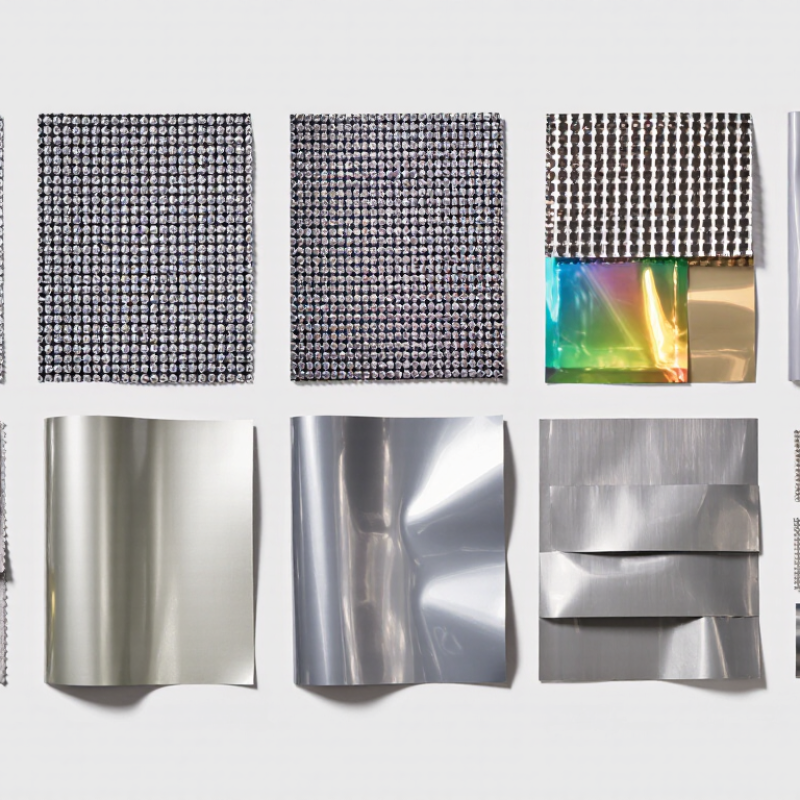
When comparing reflective fabrics, start with measured retroreflectivity, not a bright-looking sample under showroom lights. Ask for the coefficient of retroreflection and the test geometry used; results can change with viewing and entrance angles. Glass-bead fabrics often feel supple, while microprismatic surfaces can return more light in some conditions. Neither description replaces test data. Check performance after abrasion, flexing, and laundering, using the intended care cycle.
Durability is practical. A jacket may look intact after repeated washing, yet its reflective response can decline. Request before-and-after test reports, plus the number of wash cycles and method. Also compare fabric weight, stretch, backing, breathability, and attachment method. Sewn trims can stiffen a sleeve; heat-applied films may crack if the substrate stretches. Small details matter.
Visibility has real consequences. The U.S. National Highway Traffic Safety Administration reported 7,522 pedestrian deaths in 2022 in its Traffic Safety Facts report. That figure does not prove one fabric prevents crashes, but it supports careful visibility evaluation. For each of the top ten fabric types, compare brightness, coverage, comfort, and verified care durability against the garment’s intended use and relevant standards. Don’t rely on a single flashlight test. It is easy to miss performance loss at oblique angles, and supplier data should be checked against independent testing where available.



 © Copyright 2020 Tianjin Tanghaidongyang Valve Co., Ltd. All Rights Reserved.