Top Rubber Injection Moulding Machine Benefits for Global Buyers?
In recent years, the demand for Rubber Injection Moulding Machines has surged globally. Market insights indicate that this segment is expected to witness significant growth, with projections suggesting a compound annual growth rate (CAGR) of approximately 5.4% from 2022 to 2027. This growth is driven by advancements in manufacturing technologies and increased applications in various industries, including automotive and consumer goods.
Moreover, these machines offer notable advantages, such as precise molding and reduced material waste. A recent report by industry experts emphasizes that manufacturers can achieve up to 30% efficiency improvements through the integration of cutting-edge Rubber Injection Moulding Machines. However, some companies face challenges like high initial costs and the need for skilled operators, highlighting areas for reflection in their investment strategies.
Ultimately, the advantages of incorporating Rubber Injection Moulding Machines can be significant. Companies that adapt to this technology often find enhanced production capabilities. Yet, they must also weigh these benefits against potential drawbacks. Understanding these dynamics can empower global buyers to make informed decisions in a competitive market.
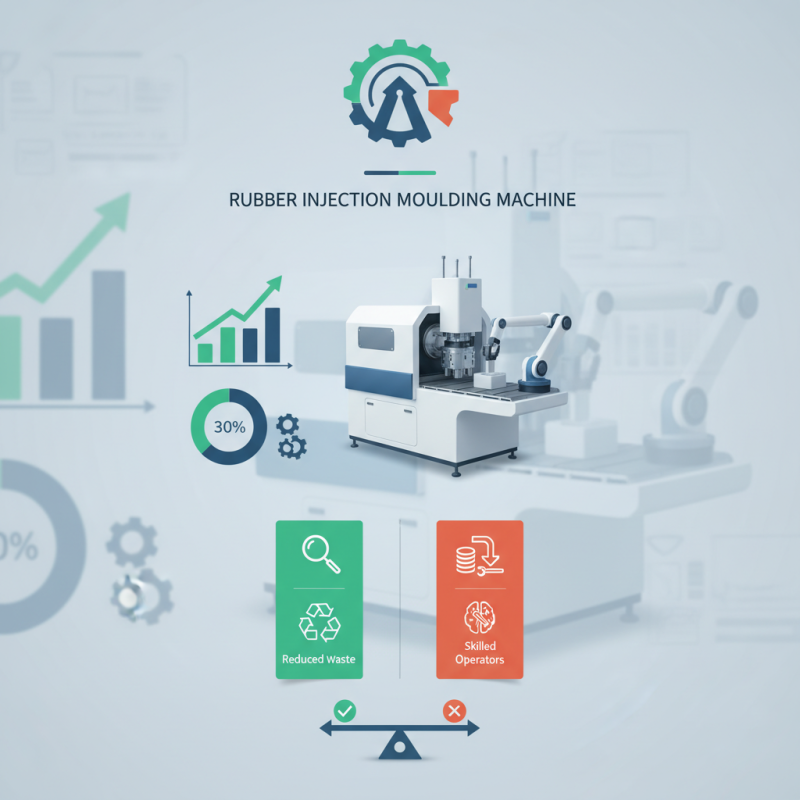
Overview of Rubber Injection Moulding Machines and Their Importance
Rubber injection moulding machines play a crucial role in manufacturing various rubber products. These machines inject molten rubber into precise moulds, allowing for complex shapes and high-quality finishes. Their efficiency saves time and reduces waste in production processes. With the global demand for rubber products increasing, understanding their importance is essential for buyers.
Choosing a reputable supplier is vital. Buyers should prioritize suppliers with recognized expertise and strong technical support. This ensures that they can resolve any issues quickly. Additionally, consider machines that offer versatility in production. Some machines can handle different materials and complicated designs, which can adapt to changing market needs.
When selecting a machine, look for energy efficiency features. Many modern machines are designed to consume less power, which can significantly cut operational costs. Always verify the reliability and service history of the equipment. Investing in high-quality machines will pay off in the long run, resulting in fewer breakdowns and consistent output.
Key Benefits of Using Rubber Injection Moulding Machines for Buyers
Rubber injection moulding machines offer significant advantages for global buyers. They streamline production processes and enhance efficiency. With these machines, manufacturers achieve tighter tolerances, reducing waste. This efficiency translates to lower costs in the long run. Reduced cycle times mean more products can be made in less time.
Flexibility is another key benefit. Buyers can customize the material formulations to meet specific product requirements. This adaptability allows companies to innovate and respond to market demands. However, buyers must consider the upfront investment. While costs may be high initially, the potential return on investment can justify the expense over time.
Moreover, rubber injection moulding machines contribute to sustainability. They can utilize recycled materials, reducing environmental impact. Buyers should explore these options carefully. Not all machines handle recycled content efficiently, which can affect product quality. Thus, due diligence is crucial when selecting the right equipment for specific needs.
Cost Efficiency: How Rubber Injection Moulding Machines Save Money
Rubber injection moulding machines are known for their cost efficiency. These machines streamline the production process, reducing overhead costs. By minimizing waste during manufacturing, they help companies save money. The precision of these machines ensures minimal material loss, further boosting profitability.
Investing in a rubber injection moulding machine can seem daunting. However, companies often overlook the potential savings in labor costs. Automation reduces the need for extensive manual labor. This shift not only lowers expenses but also speeds up production timelines. Buyers must weigh these benefits against the upfront costs. They should consider the long-term gains of enhanced efficiency.
In addition to savings, rubber injection moulding machines provide consistent quality. This leads to fewer defects and less rework. However, not all machines perform the same way. Buyers need to do thorough research to find the right fit for their specific needs. Understanding the nuances of each option can help avoid costly mistakes in the future.
Quality and Precision: Advantages of Rubber Injection Moulding Processes
Rubber injection moulding is revolutionizing manufacturing across various sectors. This process excels in creating high-quality parts with precise dimensions. According to industry reports, businesses adopting this technology report a 30% reduction in waste compared to traditional methods. The efficiency of rubber injection moulding results from its ability to produce consistent, repeatable products.
Quality assurance is paramount. Moulding parameters can be closely monitored, ensuring uniformity in every production cycle. Advanced technology in these machines minimizes defects. The result? Fewer recalls, which means substantial savings for manufacturers. However, businesses must regularly calibrate their machines. Small deviations in settings can lead to significant quality issues.
Tip: Regular training for operators is crucial. Skilled personnel can promptly identify and address issues, improving overall productivity. Investing in staff education pays off in higher efficiency and reduced costs. Despite the high upfront costs, the long-term benefits often outweigh initial investments. Continuous improvement and technology adaptation are necessary for staying competitive.
Top Rubber Injection Moulding Machine Benefits for Global Buyers
Market Trends: The Growing Demand for Rubber Injection Moulding Technology
The rubber injection moulding market is experiencing significant growth. This surge is largely driven by rising demand across various industries. Automotive, healthcare, and consumer goods sectors are leading this trend. More manufacturers are adopting injection moulding technology due to its efficiency. The ability to produce complex shapes in a single process is a major advantage. This method also minimizes waste, which is a growing concern for many businesses.
As companies aim to boost production rates, they face challenges. Finding skilled operators who understand the technology is still a hurdle. Additionally, investment in quality machinery can be daunting for small businesses. Despite these challenges, the long-term benefits of rubber injection moulding are clear. Faster production cycles and consistent quality make it a worthwhile investment. Buyers must consider these market trends to make informed purchasing decisions. The reliance on advanced technology will only increase in the coming years.


 © Copyright 2020 Tianjin Tanghaidongyang Valve Co., Ltd. All Rights Reserved.