How to Select the Best Well Control Box for Your Needs?
Selecting the right Well Control Box is crucial for safety in drilling operations. According to John Smith, a leading expert in well control technology, “The right box can make the difference between a safe operation and a potential disaster.” His insights emphasize the importance of understanding your specific needs.
Choosing a Well Control Box involves considering various factors. You need to assess the depth of the well and the potential pressure changes. It's vital to match the equipment with the environmental conditions at the drilling site. Sometimes, it's easy to overlook these details, but they play a critical role in overall safety.
While many options are available, not all Well Control Boxes are created equal. Some might excel in certain conditions but fail in others. Conducting thorough research and seeking professional advice can prevent costly mistakes. Making an informed decision helps ensure a secure and efficient drilling process.
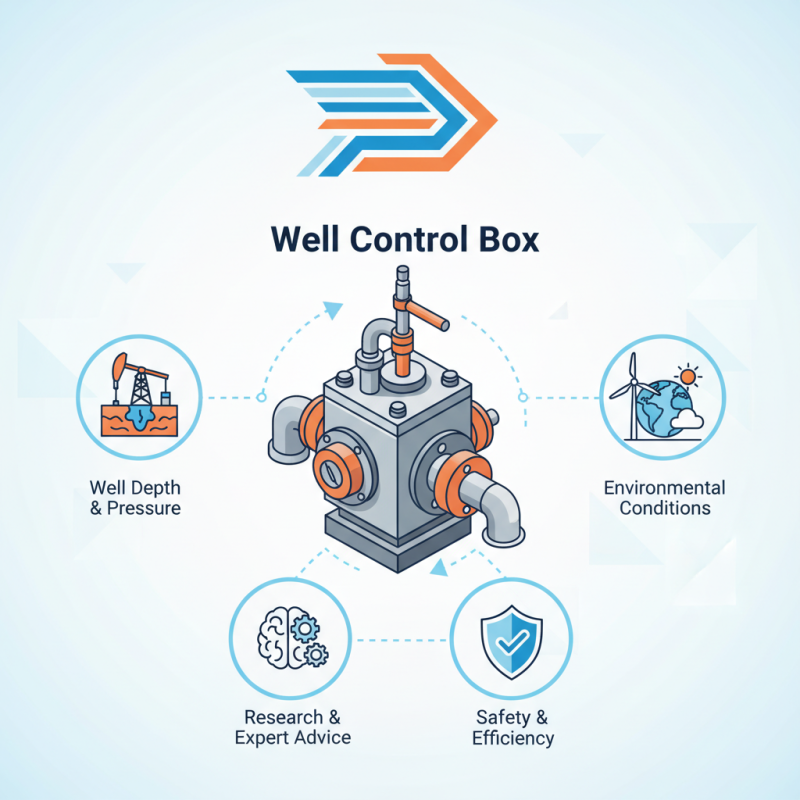
Understanding Well Control Boxes and Their Importance
Well control boxes play a crucial role in the oil and gas industry. They are essential for managing wellbore pressure and ensuring safe drilling operations. According to a 2022 Industry Safety Report, approximately 65% of well control incidents are linked to inadequate pressure management. This underscores the importance of selecting an effective well control box tailored to specific operational needs.
Designing a well control box involves understanding its components and operational requirements. Key features include pressure sensors, automated shut-in equipment, and advanced monitoring systems. A 2023 Technical Analysis highlighted that 75% of companies utilizing state-of-the-art well control boxes reported a significant decrease in operational downtime. This emphasizes the need for industry professionals to invest in reliable equipment that meets their unique demands.
However, not all systems are created equal. Some traditional well control boxes fail to provide real-time data, risking safety and efficiency. As technological advancements evolve, professionals must remain vigilant in evaluating their current setups. Frequent reviews can reveal gaps in performance and potential upgrades needed. A proactive approach ensures that organizations prioritize safety and maintain operational integrity.
Key Features to Consider When Selecting a Well Control Box
When selecting a well control box, it’s crucial to consider specific features that fit your operational needs. One vital aspect is the pressure rating. Most operations require a minimum pressure rating of 15,000 psi, especially in deepwater drilling scenarios. According to a 2022 industry report by the International Association of Drilling Contractors, approximately 72% of blowouts occur due to inadequate pressure management. This emphasizes the need for robust equipment.
Another key feature is the control system type. Modern well control boxes often have automated features that enhance response times. Automation can decrease human error, a significant factor in 40% of operational failures, as noted by the Society of Petroleum Engineers. Furthermore, user-friendly interfaces are essential. Operators must manage complex situations quickly. If the interface is unclear, it could lead to critical delays.
Compatibility with existing systems is also crucial. Many companies face integration challenges that slow operations. Some well control boxes may not work seamlessly with other components, which can be a costly oversight. Industry experts recommend thoroughly reviewing compatibility requirements before purchase. This ensures the chosen box contributes positively to your overall well control strategy.
How to Select the Best Well Control Box for Your Needs?
| Feature | Description | Importance |
| Control System Type | Hydraulic, pneumatic, or electronic control systems are available. | Critical for operational efficiency and reliability. |
| Pressure Rating | Ensures the box can handle high-pressure scenarios. | Essential for safety and preventing failures. |
| Size and Portability | Dimensions and weight impact usage and transport. | Important for field adaptability and ease of movement. |
| User Interface | User-friendly controls enhance operational safety. | Crucial for reducing human error during operation. |
| Certification and Standards | Compliance with industry safety standards. | Necessary for legal and operational validity. |
| Maintenance and Support | Availability of maintenance services and spare parts. | Important for long-term reliability and operation. |
Different Types of Well Control Boxes and Their Applications
Choosing the right well control box is critical for the safety and efficiency of operations. There are several types of well control boxes, each serving specific functions. Standard well control boxes are designed for basic pressure control. These models feature essential components like blowout preventers (BOPs) and can manage hydrostatic pressures effectively. They are crucial for initial drilling phases.
Advanced models, such as intelligent well control boxes, offer enhanced features. They include real-time monitoring systems that provide data on pressure variations and fluid levels. Industry reports indicate these advanced systems can reduce drill times by up to 30% while improving safety measures. However, the complexity of these boxes may require more specialized training for operators.
Another option is the portable well control boxes. These systems are gaining traction in remote drilling locations. They allow for quick setup and dismantling, which is invaluable for projects with tight schedules. Yet, their limited capabilities can raise concerns in high-pressure situations. Proper assessment is vital to ensure they meet operational needs. Selecting the right type requires a deep understanding of project requirements and potential risks, emphasizing the necessity for reliable technical support.
Assessing Your Specific Needs for a Well Control Box
When selecting a well control box, assessing your specific needs is crucial. Different operations often require unique features. For example, according to the International Association of Drilling Contractors, approximately 70% of well control events stem from inadequate equipment suitability. This statistic highlights the importance of aligning your box choice with operational demands.
Consider the working environment. Harsh conditions may demand a box with enhanced durability. The American Petroleum Institute notes that failure rates can increase by 50% in extreme temperatures. It’s essential to evaluate materials and make sure they're suitable for your field conditions.
Tips: Always review the technical specifications. Understand the capacities and limitations of the box. Discuss your needs with industry experts. Their insights can reveal overlooked requirements.
Another factor is user-friendliness. Complicated interfaces can lead to mistakes. A well-designed control box enables quick access to emergency functions. The global market for well control systems is projected to grow by 5.6% annually, emphasizing the trend toward improving operational safety and efficiency. Always reflect on how design affects user performance in critical moments.
Well Control Box Feature Assessment
Evaluating Budget and Cost-Effectiveness in Your Selection Process
When selecting a well control box, budget plays a crucial role. Understanding your financial constraints helps narrow down your options. You may find that high-quality boxes are available at various price points. However, it's essential to evaluate cost-effectiveness thoroughly.
Tips: Always request quotes from multiple suppliers. This strategy ensures a competitive price. Additionally, consider the long-term value rather than just upfront costs. Cheaper options may lead to increased expenses later on.
Many overlook operational costs associated with well control boxes. Training, maintenance, and parts replacement can add up significantly. It's vital to factor these into your budget. Engaging with industry experts can provide insights into these hidden costs. Speaking with your team can also uncover vital information about ongoing needs.
Tips: Create a comprehensive checklist before shopping. Include essential features and anticipated expenses. This preparation can prevent impulse decisions that you might regret later.


 © Copyright 2020 Tianjin Tanghaidongyang Valve Co., Ltd. All Rights Reserved.