| Product Definition | Basic Description | A silicone windshield wiper uses a flexible silicone wiping element instead of the more commonly used natural or synthetic rubber element. | Designed to remove water and road film from automotive glass. |
| Construction | Main Components | Typical assemblies include a silicone wiping edge, a supporting frame or beam structure, connector hardware, and tensioning components. | The vehicle must use a compatible wiper length and connector type. |
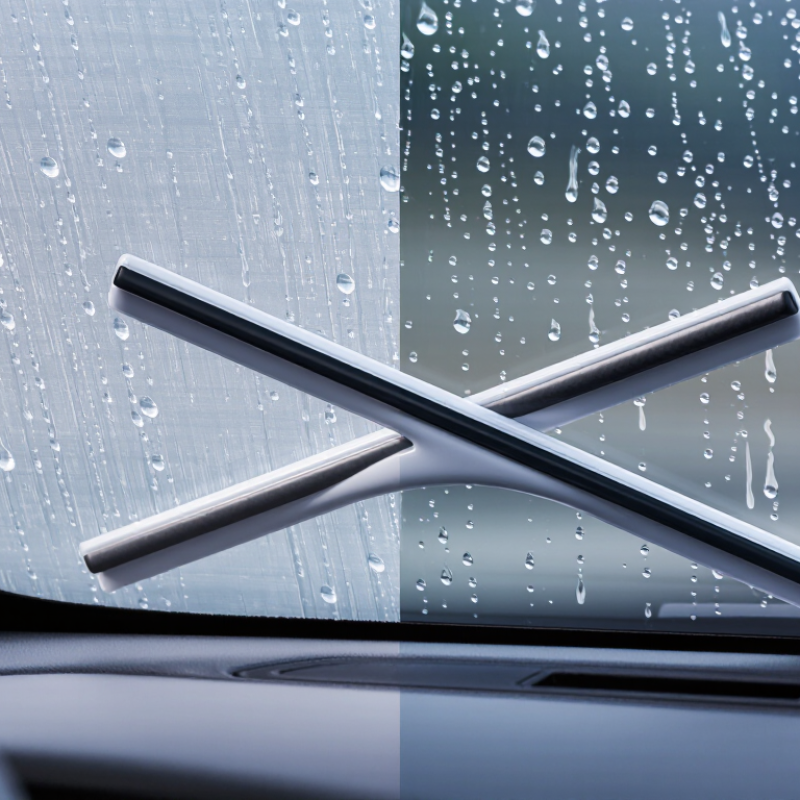
| How It Works | Wiping Action | The wiper arm applies pressure while the blade moves across the windshield. The flexible wiping edge conforms to the glass and pushes water away during each stroke. | Effective contact depends on correct blade pressure, alignment, and glass condition. |
| How It Works | Water-Shedding Film | Some silicone blades leave a small amount of silicone-based residue during initial use. This may create a temporary water-shedding effect on the glass, although the result varies by product and windshield condition. | Rainwater may bead more readily in some applications. |
| Material Performance | Temperature Resistance | Silicone generally remains flexible across a broad temperature range and is less prone to hardening from cold exposure than many conventional rubber compounds. | Cold-weather wiping performance may remain more consistent. |
| Material Performance | Ultraviolet and Ozone Exposure | Silicone is naturally resistant to ultraviolet radiation and ozone, two environmental factors that can accelerate cracking and deterioration in some rubber materials. | The wiping element may retain flexibility for longer under strong sunlight. |
| Cleaning Performance | Water Removal | A properly installed silicone blade can remove rainwater effectively. Performance still depends on the blade profile, contact pressure, windshield curvature, and the cleanliness of the glass. | Material type alone does not guarantee streak-free wiping. |
| Durability | Wear Factors | Silicone can resist environmental aging, but the blade can still wear from abrasive dust, ice, dried insects, road grit, washer-fluid residue, and repeated friction. | Regular inspection remains necessary regardless of material. |
| Key Benefit | Resistance to Drying and Cracking | Silicone is less likely than many rubber compounds to become brittle or crack solely from prolonged exposure to sunlight, ozone, and temperature changes. | Potentially longer usable performance in harsh climates. |
| Key Benefit | Cold-Weather Flexibility | Silicone typically maintains flexibility at low temperatures better than lower-grade rubber formulations, although severe ice accumulation can damage any wiper blade. | Reduced risk of a hardened blade during cold starts. |
| Key Benefit | Potential Service-Life Advantage | The service life may be extended when the blade is used on clean glass and protected from scraping heavy ice. Actual life varies with climate, mileage, storage, and maintenance. | Replacement intervals may be less frequent, but no universal lifespan applies. |
| Key Limitation | Higher Purchase Cost | Silicone wiper blades often cost more initially than basic rubber-blade alternatives because of material and manufacturing differences. | The upfront price may be higher even when long-term value is favorable. |
| Key Limitation | Possible Initial Smearing | A new silicone blade may leave a light haze or uneven film during its first uses, particularly if the windshield contains oil, wax, silicone residue, or other contamination. | Cleaning the glass and operating the washer system may be required. |
| Key Limitation | Ice and Abrasive Damage | Silicone is not immune to tearing or edge damage. Running a blade over bonded ice, sand, or heavy debris can damage the wiping edge and reduce contact quality. | Clear ice manually before using the wipers whenever possible. |
| Compatibility | Blade Size | The replacement blade must match the vehicle manufacturer’s specified length. A blade that is too long or too short can leave unwiped areas or interfere with the windshield edge. | Check the vehicle specification before purchase. |
| Compatibility | Arm Connector | Common arm connections include hook-style, side-pin, bayonet, and other vehicle-specific fittings. The connector must lock securely onto the wiper arm. | Incorrect fit can cause vibration, detachment, or incomplete wiping. |
| Maintenance | Cleaning Method | Wipe the blade edge with a clean, damp, lint-free cloth and wash the windshield with an automotive glass cleaner or clean water. Avoid harsh solvents unless approved for the blade material. | Removing grit and residue helps preserve smooth contact. |
| Maintenance | Inspection Signs | Common replacement indicators include streaks, skipped areas, chatter, splitting, a torn edge, uneven wiping, or visible deformation. | Replace the blade when cleaning no longer restores performance. |
| Best Use Cases | Climate and Driving Conditions | Silicone blades may be useful in areas with strong sunlight, frequent temperature changes, cold weather, or heavy seasonal rain. | Material durability can be valuable in demanding environments. |
| Overall Assessment | Value Consideration | Silicone wipers offer potential advantages in environmental resistance and flexibility, but performance depends equally on blade design, vehicle compatibility, windshield cleanliness, and installation quality. | Choose based on total operating conditions rather than material alone. |



 © Copyright 2020 Tianjin Tanghaidongyang Valve Co., Ltd. All Rights Reserved.