Top 10 Smart Warehouse Logistics Solutions for Global Buyers?
In today's rapidly evolving global market, efficiency is critical for success. Companies are turning to Smart Warehouse Logistics to stay competitive. These advanced solutions transform traditional warehousing into agile, data-driven operations. They enhance inventory management, reduce operational costs, and improve delivery times.
Smart Warehouse Logistics incorporates cutting-edge technologies. Automation, artificial intelligence, and the Internet of Things play significant roles. These innovations streamline processes and allow for real-time data analysis. Yet, adopting these systems can be complex. Companies may face integration challenges and resistance from staff. These hurdles must be addressed for successful implementation.
Understanding the top Smart Warehouse Logistics solutions is essential for today’s buyers. Choosing the right solutions can lead to significant benefits. However, organizations must reflect on their unique needs and capabilities. With careful consideration, companies can create efficient systems that align with their business goals.
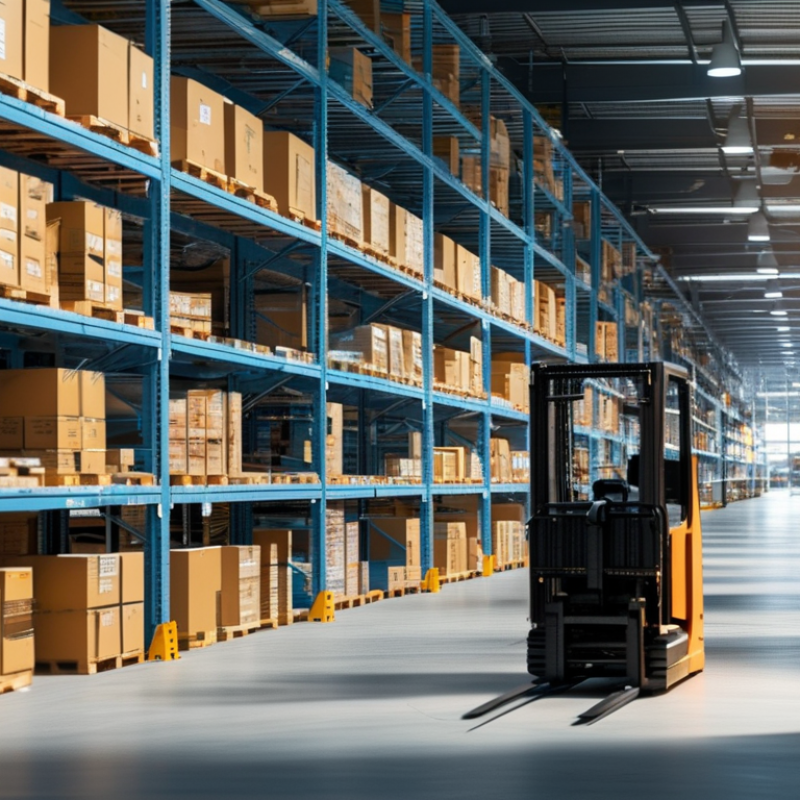
Key Features of Smart Warehouse Logistics Solutions
Smart warehouse logistics solutions are becoming essential for businesses aiming to enhance operational efficiency. One key feature these systems offer is real-time inventory tracking. This allows companies to monitor stock levels accurately. With advanced sensors and RFID technology, items can be located instantly. Such precision can significantly reduce stock discrepancies.
Automation is another critical aspect. Automated storage and retrieval systems (AS/RS) streamline the picking process. They can help in achieving faster order fulfillment. However, not every business may need full automation. For smaller operations, a gradual approach might work better. It’s vital to assess current needs and scale solutions appropriately.
Data analytics plays a significant role in smart warehouse systems. By analyzing historical data, companies can predict demand trends. Yet, relying solely on predictions can lead to pitfalls. Human oversight remains crucial to balance automation and intuition. Continuous evaluation of logistics strategies is essential for sustained success in the ever-evolving market landscape.
Emerging Technologies Transforming Warehouse Operations
Emerging technologies are reshaping warehouse operations in profound ways. Automation plays a crucial role in increasing efficiency. According to industry reports, automated systems can enhance productivity by up to 30%. Furthermore, the integration of AI algorithms helps optimize inventory management. AI-driven systems reduce errors and improve demand forecasting.
Robotics is another driving force in modern warehouses. Robots can handle repetitive tasks, allowing human workers to focus on more complex activities. A recent study highlights that implementing robotic systems can decrease labor costs by approximately 20%. Additionally, these technologies are not flawless. Companies must assess implementation challenges such as integration with existing systems. Security concerns also arise with increased reliance on digital solutions.
Data analytics is vital in improving decision-making. Analyzing warehouse operations helps identify bottlenecks and inefficiencies. Reports show that data-driven decisions lead to a 15% reduction in operational costs on average. Yet, organizations often struggle with data quality and accessibility. Consistent data management is key for successful implementation. Technology can transform warehouse operations but comes with challenges that require attention and reflection.
Top 10 Providers of Smart Warehouse Solutions in 2023
In 2023, the demand for smart warehouse logistics solutions has soared. A recent report by Grand View Research indicated that the global warehouse automation market is projected to reach USD 30 billion by 2025. This growth underlines the necessity for advanced solutions to enhance efficiency and reduce operational costs.
Key providers in the smart warehouse space focus on automating inventory management and optimizing supply chain processes. For instance, the integration of AI and IoT has improved tracking accuracy to over 98%, minimizing errors in order fulfillment. However, challenges such as high implementation costs and the need for skilled personnel remain significant barriers. The complexity of integrating new technologies into existing infrastructure can overwhelm some companies.
Moreover, while many solutions offer promising advancements, they often require constant updates and maintenance. Companies might find that their return on investment is not immediate. Some technologies may have a learning curve, causing temporary disruptions during the adaptation phase. These factors highlight the need for thorough planning and evaluation when selecting smart warehouse solutions.
Top 10 Smart Warehouse Logistics Solutions - 2023
Benefits of Implementing Smart Logistics in Warehousing
Smart logistics in warehousing presents significant benefits for global buyers. According to a recent report from McKinsey, companies can achieve cost reductions of up to 30% by implementing smart technologies in their supply chains. Advanced analytics, automation, and real-time tracking transform inventory management and order fulfillment processes. These enhancements lead to more accurate inventory levels and reduce the risk of stockouts.
The impact of smart logistics goes beyond savings. A study by Deloitte indicates that businesses leveraging these technologies can see improvements in operational efficiency by over 25%. However, the transition to smart solutions is not without challenges. Many companies face hurdles in integrating new systems with existing infrastructure. Maintaining employee buy-in also requires ongoing training and adaptation. While the potential benefits are clear, the road to smart logistics necessitates careful planning and reflection on implementation strategies.
Investing in smart warehousing can enhance customer satisfaction by ensuring timely deliveries and improved order accuracy. Furthermore, companies can realize better data visibility, which aids in forecasting and decision-making. Yet, it's vital to remain aware of the evolving technology landscape. Organizations must regularly assess their logistics capabilities to stay competitive in the market. Embracing change is crucial, but so is understanding the complexity of smart logistics integration.
Case Studies: Success Stories from Global Buyers in Smart Logistics
In the realm of smart logistics, companies face both opportunities and challenges. A recent report by Allied Market Research revealed that the smart warehouse logistics market is projected to reach $53 billion by 2026, growing at a compound annual growth rate of 14.6%. This rapid growth highlights the urgency for businesses to adopt intelligent solutions.
Case studies illustrate this evolution. A leading retailer implemented automated picking systems. This change resulted in a 25% reduction in processing time. However, the initial investment was substantial. Another case involved an e-commerce firm utilizing AI-driven inventory systems. They saw a 30% decrease in stockouts. Yet, they struggled with data integration between legacy systems.
As logistics strategies mature, the need for continuous improvement becomes clear. Firms must evaluate the effectiveness of their technologies regularly. A survey by Logistics Management found that 53% of logistics professionals are concerned about inadequate data analytics. Addressing these weaknesses is vital for sustained success in smart logistics.



 © Copyright 2020 Tianjin Tanghaidongyang Valve Co., Ltd. All Rights Reserved.