What is Tension Load Cell at the 2026 Canton Fair?
At the upcoming 2026 Canton Fair, the spotlight will shine on the innovative Tension Load Cell technology. This cutting-edge device plays a crucial role in various industries, including manufacturing and electronics. Experts expect the fair to showcase the latest advancements in this field. According to Dr. Emily Wong, an industry expert in load cells, "Tension Load Cells are redefining precision measurement in dynamic environments."
The Canton Fair, held from April 15 to May 5, will feature significant sectors such as advanced manufacturing and new materials. With over 1.55 million square meters of exhibition space, it promises to be a bustling hub for innovation. The fair is also introducing AI-driven search and navigation tools to enhance efficiency. Purchasers can quickly find suppliers meeting their specific standards, like ISO and CE certifications.
While progress is evident, challenges remain. Not all suppliers meet these rigorous standards. Ensuring quality across the board is vital. The introduction of Tension Load Cells at such events can address some of these concerns, but much work lies ahead.
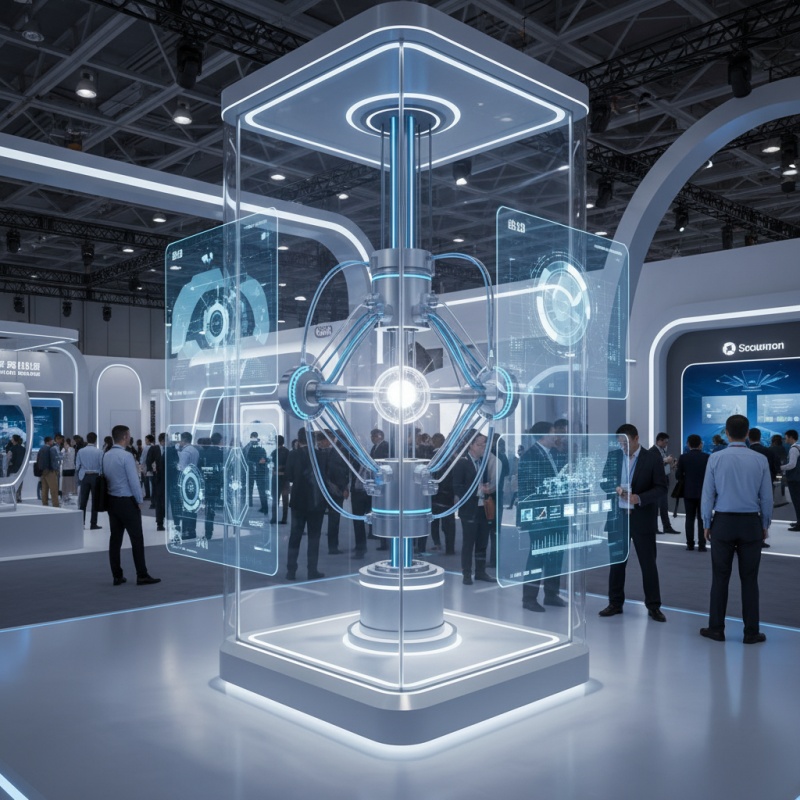
What is a Tension Load Cell and How Does It Work?
Tension load cells are essential devices used to measure forces in various applications. They operate based on the principle of strain gauges. These sensors detect the deformation of materials when a load is applied. As tension is exerted, the strain gauge changes resistance. This change is converted into an electrical signal, indicating the amount of force.
When you apply a load on a tension load cell, it stretches. This stretching can be very slight, often measured in micrometers. The resulting electrical signal is very sensitive and accurate. However, errors can happen due to environmental factors. Temperature fluctuations might affect the measurements, leading to inaccuracies.
The design and installation of these devices require careful consideration. Misalignment can cause readings to be off. Regular calibration is necessary to maintain accuracy. Users must understand these challenges to ensure reliable performance. A seemingly small mistake can lead to significant issues in high-stakes environments.
Key Applications of Tension Load Cells in Various Industries
Tension load cells play a crucial role in various industries. They measure the tensile force applied to a material or structure. These devices help ensure safety and accuracy in many applications, but their usage may raise some concerns.
In manufacturing, tension load cells are common in quality control systems. They ensure that cables and components are within the required specifications. If a load cell fails, it could lead to product defects. Such issues can significantly impact production lines and costs. In construction, they monitor the tension in cables and supports. They provide crucial feedback to ensure structures remain stable. However, interpreting load cell data can be challenging. Misreadings may cause delays or safety risks.
Another application is in the transportation industry. Here, tension load cells are used to check the weight of goods. They help avoid overloading vehicles, which can lead to accidents. Even so, calibration is vital for accuracy. Regular checks are necessary to maintain reliability. Despite their advantages, users must remain cautious of their limitations. Proper training is essential for effective use. Ignoring these aspects could result in serious consequences.
Technical Specifications: Understanding Accuracy and Capacity of Load Cells
At the 2026 Canton Fair, tension load cells will take center stage. These devices measure force by converting tension into an electrical signal. Potential buyers will want to understand the technical specifications associated with accuracy and capacity.
The accuracy of a load cell is crucial for ensuring reliable measurements. This is often expressed as a percentage of the full scale. A 0.1% accuracy rating seems ideal but can vary across different models.
Capacity is another key specification. It defines the maximum load a cell can handle. Choosing the right capacity is essential to prevent damage. Underestimating this can lead to failures or miscalculations.
However, realizing precise capacity needs can be challenging. It often requires an understanding of the load types and durations. Potential buyers must reflect on their specific use cases.
Learning to navigate these specifications may require time and effort. A user might feel overwhelmed when comparing options. A recommendation is to prioritize clear guidelines for selecting load cells.
Testing options beforehand could provide valuable insights. Visiting the Canton Fair offers an opportunity to engage with experts and gather practical experiences.
Comparative Analysis of Tension Load Cells and Other Load Measurement Devices
Tension load cells are critical in measuring force and weight. They work by converting mechanical stress into an electrical signal. This function is vital across various applications, especially in industrial settings. The tension load cell stands out due to its precision and adaptability compared to other devices. Yet, it's essential to recognize that their performance can vary under certain conditions.
When comparing tension load cells to compression load cells and bending beam load cells, the differences become clearer. Compression load cells are typically used for vertical loads. They excel in static measurements but may struggle with dynamic changes. In contrast, tension load cells handle fluctuating loads effectively. This is often seen in lifting operations. However, the installation must be precise to avoid measurement errors.
Bending beam load cells are more versatile in some scenarios. Yet, they may lack the accuracy that tension load cells provide. It's crucial to assess requirements before choosing the right device. Environmental factors can also impact performance, sometimes leading to unexpected results. Load cells must be calibrated regularly to maintain accuracy, which can be a challenge. Understanding these nuances is vital for optimal use in any industry setting.
Tension Load Cell vs. Other Load Measurement Devices
Future Trends and Innovations in Tension Load Cell Technology at the Canton Fair
At the 2026 Canton Fair, tension load cells are set to play a significant role. These devices, essential for measuring forces, are increasingly integrating advanced technologies. The market for load cells is projected to reach $1.15 billion by 2025, with tension load cells holding a notable share. Their precision and reliability are vital in industries such as manufacturing and aerospace.
Emerging innovations include wireless technology and enhanced materials. Wireless tension load cells reduce installation complexity. New materials improve durability and accuracy, addressing common failure points. A report from the International Society of Automation highlights that nearly 30% of load cell failures stem from environmental factors. Manufacturers are now prioritizing solutions that mitigate these risks.
Tension load cell technology continues to evolve. For instance, incorporating AI for predictive maintenance enhances performance. However, the industry must address challenges like costs and compatibility. Adopting new tech can be slow due to existing infrastructure. Companies should remain flexible to adapt to these advancements. The 2026 Canton Fair will be a crucial platform for showcasing these innovations.


 © Copyright 2020 Tianjin Tanghaidongyang Valve Co., Ltd. All Rights Reserved.