| 1. Confirm the installation location | Check whether the oven is approved for indoor or outdoor use, and confirm the required clearances from walls, ceilings, cabinets, and combustible materials. Follow the specific installation manual and local building and fire codes. | Location and clearance requirements vary by oven design. A unit intended for outdoor use may not be suitable for an enclosed space. |
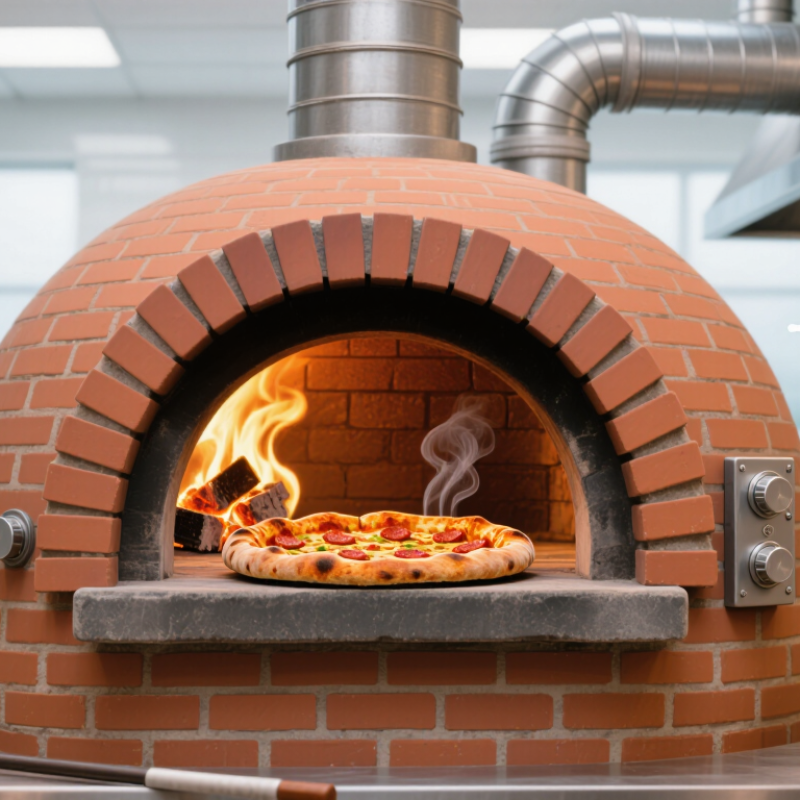
| 2. Plan ventilation and exhaust | Find out whether the oven requires a flue, chimney, hood, or other exhaust system. Check the specified vent size, route, termination point, and any make-up air requirements with a qualified installer. | Gas combustion produces exhaust gases, including carbon monoxide. Ventilation must match the oven’s design and the applicable local requirements. |
| 3. Verify the gas supply | Confirm whether the oven is configured for natural gas or propane, and check that the available supply, regulator, connection size, and gas pressure match the appliance specifications. | Gas types and supply requirements are not interchangeable without an approved conversion. Incorrect connections can cause unsafe operation or poor performance. |
| 4. Check the base and supporting surface | Review the oven’s weight, dimensions, support requirements, and any required non-combustible base or insulation. Make sure the planned structure can safely support the installed unit. | Brick and refractory construction can be heavy. A suitable, stable support helps prevent movement, cracking, or damage to surrounding surfaces. |
| 5. Look for key safety features | Check for safety features appropriate to the model, such as flame-failure protection, a reliable ignition system, accessible shutoff controls, and clear operating instructions. | These features can help reduce risks associated with an extinguished flame, ignition problems, or the need to stop the gas supply quickly. |
| 6. Assess cooking capacity and heat performance | Compare the cooking-floor dimensions, burner output, temperature range, heat-up time, and heat-retention information. Consider how many items you expect to cook at once. | Cooking capacity and heat characteristics affect how the oven will perform for your usual meals. Published performance figures should be checked against the manufacturer’s test conditions. |
| 7. Arrange professional installation and commissioning | Ask whether installation must be completed by a licensed gas fitter or other qualified professional. Confirm that the installer will test connections, check operation, and explain maintenance and shutdown procedures. | Professional installation helps ensure the gas connection and venting meet the appliance instructions and local requirements. A carbon monoxide alarm is an additional safeguard, not a replacement for proper ventilation. |



 © Copyright 2020 Tianjin Tanghaidongyang Valve Co., Ltd. All Rights Reserved.