| 1 | Basis weight | Common grades range from about 20 to 300 g/m², depending on the process and intended use. | Confirm the stated weight in g/m² and ask how it is measured. Compare production samples, not just product descriptions. | Choose weight according to required coverage, strength, and flexibility. A higher basis weight does not automatically mean better performance for every application. |
| 2 | Thickness and bulk | Lightweight spunbond may be below 1 mm, while loftier needle-punched materials can be several millimetres thick. | Check the measurement method and pressure used during testing; compressible materials can give different readings under different loads. | Match thickness to cushioning, filtration, insulation, or spacing needs. Compare thickness alongside basis weight because bulk varies by construction. |
| 3 | Bonding method | Typical methods include thermal bonding, needle punching, and hydroentanglement. Some products use more than one process. | Ask how the fibres are bonded and whether the surface or internal structure is consolidated. Check tensile strength, tear resistance, and linting where relevant. | Thermal bonding can produce a stable, relatively even web; needle punching can create a thicker, more porous structure; hydroentanglement can make a soft, textile-like web. |
| 4 | Surface finish | Available finishes may include plain, calendered, embossed, brushed, or treated surfaces. | Inspect both sides for texture, uniformity, loose fibres, and appearance. Specify which side must face outward if the sides differ. | Select the finish for the intended contact, appearance, or processing requirements. A calendered surface may be smoother, while a brushed surface may feel softer. |
| 5 | Porosity and air permeability | Values vary widely with fibre diameter, web structure, bonding, and finishing; there is no single standard range for all polyester nonwovens. | Request test results using a stated method and test conditions. For filtration or airflow uses, evaluate the fabric in the final assembly. | Prioritize measured performance over visual openness. Heavier or more tightly bonded material may restrict airflow, but construction also matters. |
| 6 | Dimensional stability and strength | Performance depends on fibre orientation, bonding, basis weight, and any heat or surface treatment. | Compare machine-direction and cross-direction tensile properties, elongation, tear resistance, and shrinkage after the relevant exposure. | Choose samples that withstand the converting, sewing, forming, or installation steps in your process. Test in the direction and conditions that reflect actual use. |
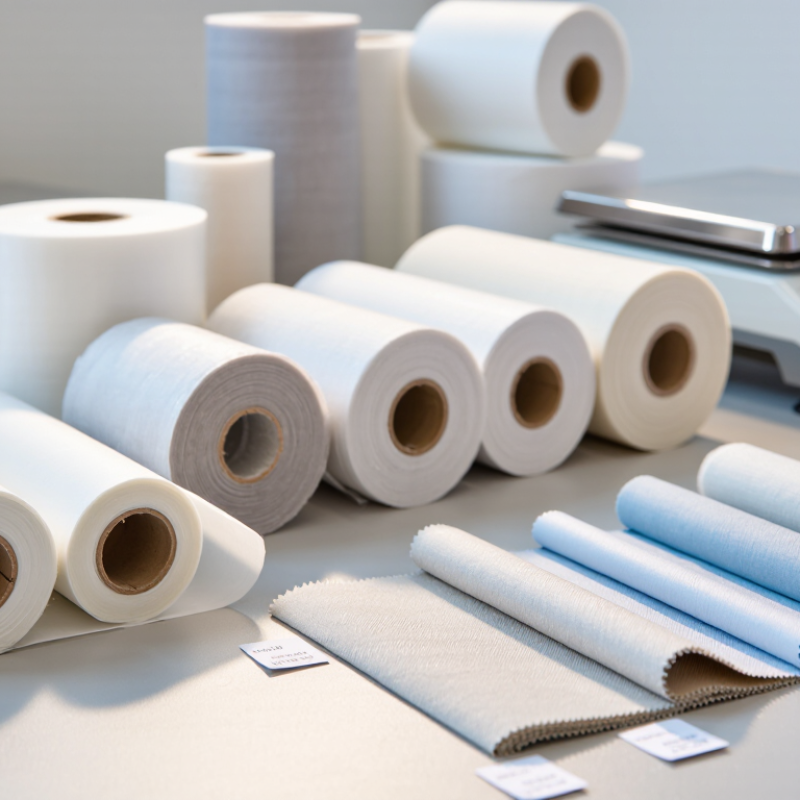
| 7 | Roll format, tolerances, and sampling | Roll widths, lengths, and weight or thickness tolerances are product-specific and should be confirmed before ordering. | Specify usable width, roll length, winding direction, core size, packaging, and acceptable tolerances. Approve a representative sample or trial roll. | Put the agreed specification and test methods in writing. Check that the delivered rolls are consistent across the order, not only within a single sample. |



 © Copyright 2020 Tianjin Tanghaidongyang Valve Co., Ltd. All Rights Reserved.