| 1. Define the temperature range | Continuous operating temperature, short-term peaks, and cold-start conditions. | Many general-purpose silicone compounds are used across ranges around −50°C to +200°C, but limits vary by formulation, exposure time, and mechanical load. Do not treat this range as a guarantee for every tube. | Ask for the compound’s continuous and intermittent temperature limits, and test the shaped section under the actual temperature cycle. |
| 2. Identify every contacting medium | Liquids, gases, cleaning agents, lubricants, and process residues that touch the tube. | Standard silicone offers useful flexibility and heat resistance but may swell or lose properties in some fuels, oils, solvents, and aggressive chemicals. Fluorosilicone can improve resistance to certain fuels and oils, but compatibility is fluid-specific. | Provide the exact medium, concentration, temperature, exposure duration, and cleaning method. Request immersion or application-specific compatibility data. |
| 3. Match the grade to the compliance requirement | Whether the tube is intended for food contact, pharmaceutical use, drinking water, or another regulated application. | Compliance depends on the finished article, intended use, formulation, manufacturing controls, and applicable jurisdiction. For example, FDA 21 CFR 177.2600 addresses certain rubber articles intended for repeated use; it is not a blanket approval of all silicone products. | Specify the market and use conditions. Review the applicable declaration, supporting test results, and any restrictions on temperature, contact type, or repeated use. |
| 4. Choose the appropriate cure system | Extractables, odor, cleanliness, production method, and post-curing needs. | Platinum-cured and peroxide-cured silicone are different processing options, not universal quality labels. Some applications specify platinum-cured material or controlled post-curing, while the required choice depends on the application and evidence needed. | Confirm cure system, post-cure conditions, extractables or cleanliness requirements, and whether the supplier can document the finished tube’s properties. |
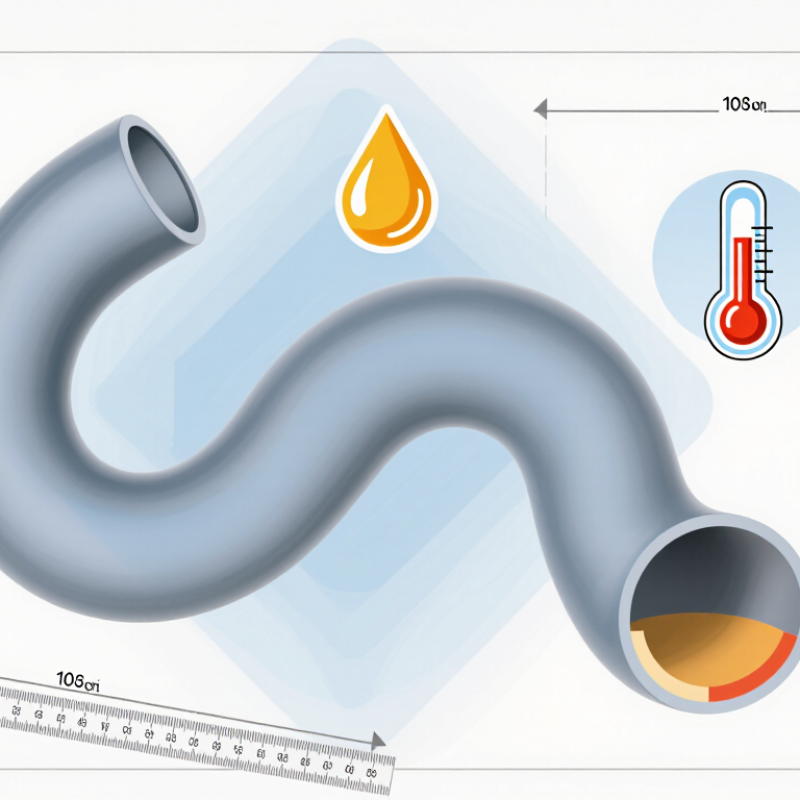
| 5. Check the shaped profile under load | Wall thickness, bends, ribs, flat sections, compression, and required flow area. | A custom profile can deform or kink differently from round tubing. A thicker wall may improve resistance to collapse but can reduce flexibility and increase the force needed to bend or compress the tube. | Review a dimensioned drawing and tolerances. Test the actual profile for bend radius, collapse, flow, and recovery at operating temperature. |
| 6. Specify mechanical properties | Hardness, tensile strength, elongation, tear resistance, compression set, and flexing cycles. | Select properties based on the tube’s job: repeated flexing, sealing, pressure, or dimensional stability. A Shore A hardness value alone does not predict performance in every shaped design. | Request test methods and results for the properties that matter, and evaluate samples in the assembled application where possible. |
| 7. Validate the complete system | Fittings, clamps, pressure or vacuum, cleaning cycles, aging, and service life. | Tube performance depends on the complete assembly. A suitable compound can still fail if the profile is over-bent, the connection is poorly matched, or pressure and temperature exceed the design conditions. | Run application tests using the intended fittings, media, pressure, temperature, and cleaning schedule. Record acceptance criteria before production. |


 © Copyright 2020 Tianjin Tanghaidongyang Valve Co., Ltd. All Rights Reserved.