Top 10 Aerosol Can Parts Cone and Dome Suppliers
Choosing reliable suppliers for aerosol packaging components requires more than comparing prices. The right partner must understand forming, stamping, coating, sealing, and dimensional control. This guide explores the Top 10 Aerosol Can Parts Cone And Dome Suppliers for manufacturers seeking consistent performance and dependable service.
Aerosol Can Parts Cone And Dome components influence valve fit, product protection, filling efficiency, and the finished can’s appearance. Experienced suppliers typically offer steel or aluminum options, precise tooling, corrosion-resistant coatings, and production support. Their capabilities may include custom dimensions, prototype development, automated inspection, and batch traceability. Small tolerances matter here. A slightly uneven dome can affect assembly and line stability.
Supplier evaluation should include material certificates, quality systems, sample approvals, and realistic delivery commitments. Independent testing and clear technical drawings can reduce costly misunderstandings. However, rankings are not permanent. A supplier with excellent forming equipment may have weaker logistics or limited customization. That deserves attention. Regional capacity, communication speed, minimum order quantities, and after-sales support also shape the purchasing decision. We have seen how a responsive technical team can solve a tooling issue faster than a cheaper quotation. Still, performance claims should be verified through samples, audits, and documented specifications. This overview provides a practical starting point for comparing manufacturers and identifying partners that can support safe, consistent, and commercially suitable aerosol packaging production.
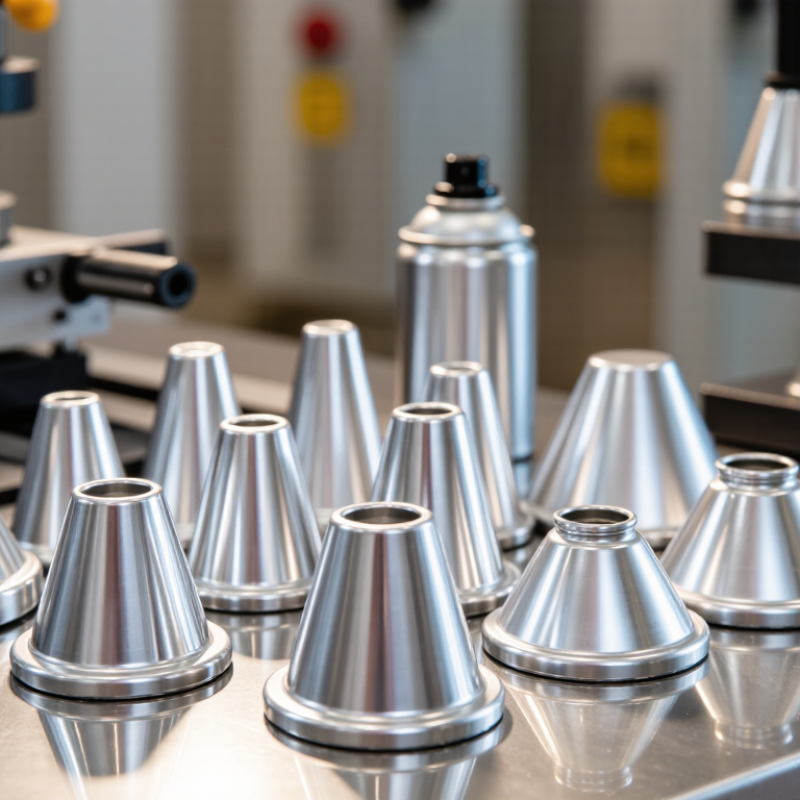
Aerosol Can Cones and Domes: Definitions, Functions, and Key Dimensions
Top 10 Aerosol Can Parts Cone and Dome Suppliers
Aerosol can cones and domes are formed metal components fitted above the can body. The cone creates a tapered shoulder and supports the valve assembly. The dome provides a rounded profile, helping distribute internal pressure across the top panel. These parts may be made from tinplate or aluminum, depending on the product design, filling process, and required corrosion resistance.
Key dimensions include outside diameter, overall height, panel diameter, wall thickness, and valve-opening size. The curl or bead must match the can body and sealing process accurately. Even a small mismatch can cause leakage, poor crimping, or an uneven appearance. Experienced suppliers usually confirm material grade, dimensional tolerances, surface finish, and compatibility with production tooling before sampling. Measurement records should include several pieces, not only one perfect sample.
Designers should also check the dome radius, cone angle, shoulder transition, and clearance around the valve cup. These details affect stacking, labeling, actuator fit, and pressure performance. A practical inspection may use calipers, gauges, visual checks, and leak testing under controlled conditions. Do not copy dimensions from an older can without review. Tool wear, material changes, and filling equipment can alter the final result. I have found that drawings often look complete, yet omit the sealing bead tolerance. That missing detail deserves attention.
Aerosol Can Cones and Domes: Definitions, Functions, and Key Dimensions
Typical dimensional ranges for aerosol can end components by nominal can size. Values are representative industry dimensions in millimetres and are intended for general comparison, not supplier-specific specifications.
Interpretation: Cones guide product flow toward the valve and provide structural support, while domes improve pressure resistance and distribute internal stress. Larger cans generally require taller end profiles and wider valve-opening areas.
Global Aerosol Can Output: Over 16 Billion Units Produced Annually
Top 10 Aerosol Can Parts Cone and Dome Suppliers
Global aerosol can output exceeds 16 billion units annually, creating constant demand for reliable cone and dome components. These parts shape product appearance, support valve placement, and influence can strength during filling and transport. At this scale, a small dimensional error can disrupt thousands of production cycles.
The best suppliers usually combine precision forming, consistent steel or aluminum quality, and documented process control. Buyers should check wall thickness, diameter tolerance, coating performance, and seam compatibility before approving samples. A practical inspection includes calipers, visual checks, coating tests, and pressure-related validation performed under applicable standards. Traceability matters too. Each batch should connect clearly to material records and inspection results.
In real purchasing work, price alone often creates problems. A low-cost cone may require extra adjustments on the filling line. That hidden delay can outweigh the initial saving. Suppliers serving global volumes should offer stable tooling, realistic production schedules, and responsive technical support. Regional warehouses can also reduce interruptions when demand changes suddenly.
Not every supplier performs equally well. Some specifications remain unclear. That deserves careful review. A useful supplier list should be updated regularly, because capacity, certifications, and material sources can change. Buyers should compare production evidence rather than rely only on polished catalogs. Steady quality is more valuable than impressive promises.
Top 10 Cone and Dome Suppliers Ranked by Materials, Capacity, and Reach
Top 10 Aerosol Can Parts Cone and Dome Suppliers
The top ten cone and dome suppliers are ranked by material control, production capacity, and geographic reach. Material quality leads the assessment. Tinplate remains widely used for aerosol components, while aluminum supports lighter designs and strong corrosion resistance. The European Aerosol Federation reports more than five billion aerosol units filled annually in Europe, creating consistent demand for reliable metal parts.
Capacity separates capable suppliers from impressive catalogues. A supplier operating several stamping lines can manage repeat orders, tight tolerances, and seasonal surges. Industry data from Smithers indicates continued growth in aerosol packaging through 2028, although forecasts can shift with resin, steel, and energy prices. That uncertainty matters. A quoted capacity figure may describe installed equipment, not available production time.
Reach completes the ranking. Strong suppliers maintain regional warehouses, export documentation, and technical support near filling plants. The ten leading performers typically combine automated forming, optical inspection, and batch traceability. Their best components show clean edges, stable curvature, and consistent valve-area dimensions. Grand View Research values the global aerosol cans market at more than 13 billion dollars in recent reporting, supporting the need for scalable supply networks. Still, no ranking is perfect. A spreadsheet may reward output and overlook a delayed tooling response. Buyers should audit samples, reject rates, lead times, and transport resilience before approving a long-term source.



 © Copyright 2020 Tianjin Tanghaidongyang Valve Co., Ltd. All Rights Reserved.