Top 10 Current Sensors Buyers Need to Know About
In the rapidly evolving field of electronics, Current Sensors play a crucial role. According to Dr. Emily Tran, a leading expert in current sensor technology, “Understanding current sensor specifications is vital for selecting the right device.” Her insight highlights the significance of making informed choices.
Current sensors come in various types and applications, making it essential for buyers to be well-informed. Many industries, including automotive and renewable energy, rely on these devices for efficiency and safety. Buyers often overlook critical factors like sensitivity, range, and response time when selecting sensors.
That said, not every current sensor meets every need. It's important to acknowledge that what works for one application may not suit another. This complexity necessitates careful consideration and sometimes trial and error. Buyers must engage with their specific requirements and reflect on what they truly need in their projects. Knowledge is power, especially in the realm of current sensors.
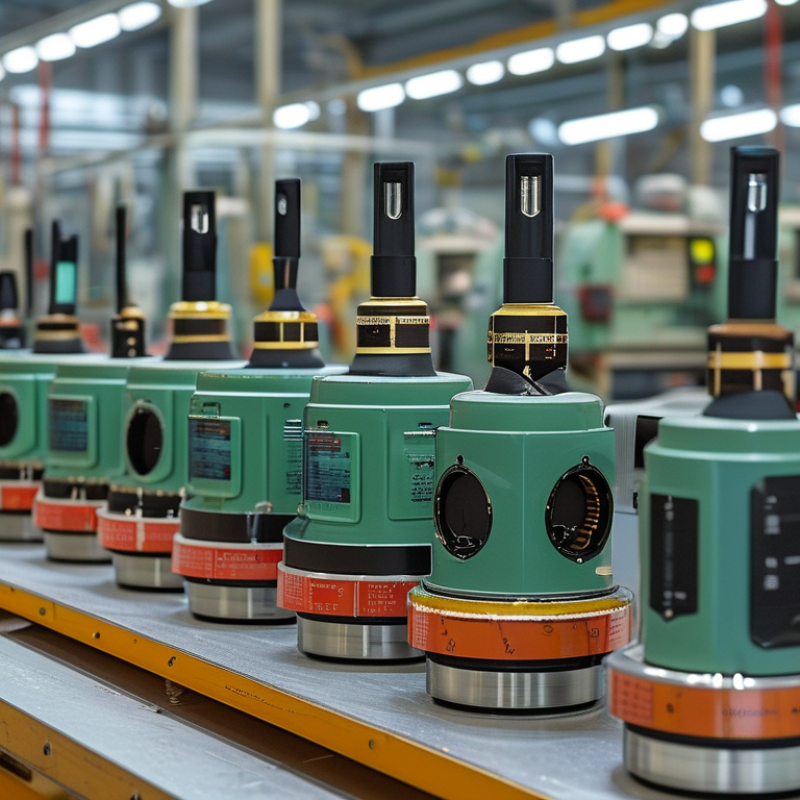
Overview of Current Sensor Technology and Its Applications
Current sensor technology is essential in various industries, from automotive to renewable energy. These sensors measure electric current and are crucial for monitoring and managing power systems efficiently. According to a report by Allied Market Research, the global current sensor market was valued at approximately $2.5 billion in 2021 and is expected to reach $4 billion by 2030, growing at a CAGR of around 6% during the forecast period. This growth underlines the increasing demand in sectors like electric vehicles and industrial automation.
Applications of current sensors extend to energy management systems where they help optimize power usage and detect faults early. In renewable energy, sensors enable better management of solar and wind energy systems, ensuring maximum efficiency. With the rise of smart grids, current sensors enable real-time monitoring, which is vital for balancing loads and enhancing grid reliability. However, users must be cautious about sensor accuracy and environmental factors that may affect readings.
Tips: Always evaluate sensor specifications before purchasing. Pay attention to temperature coefficients and linearity. It's essential to select sensors compatible with your application needs. Additionally, consider the long-term maintenance costs associated with sensor installation. The technology is evolving, but inconsistencies can occur, leading to potential challenges in data reliability. A reflective approach is needed when integrating these sensors into existing systems.
Key Factors to Consider When Choosing Current Sensors
When selecting current sensors, buyers must account for various critical factors. Accuracy plays a vital role. Data suggests that a 1% error in measurement could result in significant inefficiencies. These inaccuracies can lead to substantial cost increases, particularly in industrial applications.
The operating environment is another key consideration. Sensors may be exposed to extreme temperatures or electromagnetic interference. These conditions can impact sensor performance and lifespan. Reports indicate that appropriate environmental ratings can enhance reliability by up to 30%. Buyers should evaluate if the sensor is rated for their specific environment.
Scalability is also essential. As systems grow, so do the demands on current sensing capabilities. Many current sensors are designed to scale, but not all. Assessing this feature can prevent future costs related to upgrading. Industry statistics reveal that systems that are not designed for scalability can incur expenses up to 40% more when retrofitting new sensors.
Top 10 Current Sensors Buyers Need to Know About - Key Factors to Consider When Choosing Current Sensors
| Sensor Type | Measurement Range | Accuracy (%) | Output Type | Application Area |
| Hall Effect Sensor | ±100 A to ±2000 A | ±1.5 | Analog/Digital | Electric Vehicles, Renewable Energy |
| Shunt Resistor | 0 A to ±1000 A | ±0.5 | Voltage Output | Industrial Equipment |
| Rogowski Coil | ±3000 A | ±2.0 | Analog | Transient Current Measurement |
| Closed Loop Sensor | ±15 A to ±100 A | ±1.0 | Analog/Digital | Power Supply Applications |
| Open Loop Sensor | ±10 A to ±500 A | ±1.2 | Digital | Home Automation |
| Current Transformer | 0.1 A to 2000 A | ±1.5 | Analog | High Voltage Applications |
| Fiber Optic Current Sensor | Up to 2000 A | ±2.0 | Digital | Telecommunications |
| Integrated Circuit Sensor | ±1 A to ±20 A | ±0.5 | Analog/Digital | Consumer Electronics |
| LEM Sensor | ±100 A to ±3000 A | ±0.7 | Analog | Industrial Applications |
Top 10 Current Sensor Types and Their Features
Current sensors are vital in various applications. Understanding the types is essential for optimal performance. Here are ten sensor types with key features.
Hall Effect sensors are popular for their accuracy. They detect magnetic fields and provide precise current measurements. These sensors are non-intrusive, allowing easy integration into existing systems. Another common type is the shunt resistor sensor. It uses a low-resistance component to measure voltage drop, showcasing real-time current levels. However, they can generate heat, which may reduce accuracy over time.
Clamp meters offer convenience and portability. Users can measure current without disconnecting wires, making them ideal for electrical maintenance. Toroidal and Rogowski coil sensors offer enhanced flexibility. They can measure alternating currents effectively. Their unique designs allow for large conductor measurements. While these sensors are versatile, they may require calibration for specific ranges. Selecting the right sensor involves balancing accuracy, application needs, and environmental factors.
Recent Developments in Current Sensor Technology
Recent advancements in current sensor technology are transforming how industries measure and monitor electrical currents. These sensors have become more compact, efficient, and accurate, meeting the needs of modern applications. Development in materials, such as the use of nanotechnology, enhances sensitivity and reduces errors. Sensors can now handle higher frequencies, expanding their applicability in real-time systems.
Tip: Consider the power requirements when selecting sensors. Energy-efficient options can reduce operational costs in the long run.
Integration with IoT has become vital. Wireless current sensors allow for remote monitoring, providing real-time data to improve system control and efficiency. However, with such rapid development, it’s crucial to keep up with evolving standards and protocols to ensure compatibility and reliability.
Tip: Regularly assess your current sensor setups. Ensure they meet the latest standards for optimal performance.
As the landscape of current sensors continues to change, buyers must stay informed. Technical expertise and updated knowledge will ensure the right selection. Balancing speed with accuracy remains a challenge. Future developments will likely focus on achieving that balance.
Future Trends in Current Sensor Design and Functionality
The current sensor industry is rapidly evolving, driven by advancements in technology and changing consumer needs. According to a recent market report, the global current sensors market is expected to grow at a compound annual growth rate (CAGR) of 6.5% from 2023 to 2028. This growth is spurred by the increasing adoption of electric vehicles and renewable energy sources, which demand accurate current sensing for efficiency and safety.
Trends in current sensor design highlight the shift towards miniaturization and enhanced functionality. Many new models are focusing on integrating multiple measurement capabilities in a single device. For instance, sensors that can track both current and temperature are gaining traction. This dual functionality allows for better performance monitoring. However, the complexity of these designs can introduce potential reliability issues. Not all products have undergone thorough testing, raising concerns about their accuracy in critical applications.
Emerging technologies, such as IoT and AI, are also influencing current sensor design. Sensors embedded in smart devices can wirelessly transmit data for real-time monitoring. This connectivity is vital for predictive maintenance, though the security of the data remains questionable. As we look toward the future, manufacturers must balance innovation with reliability. Addressing these challenges will be essential for the industry to maintain trust among its user base.


 © Copyright 2020 Tianjin Tanghaidongyang Valve Co., Ltd. All Rights Reserved.