Top 10 Water Feature Fountain Designs for Global Buyers?
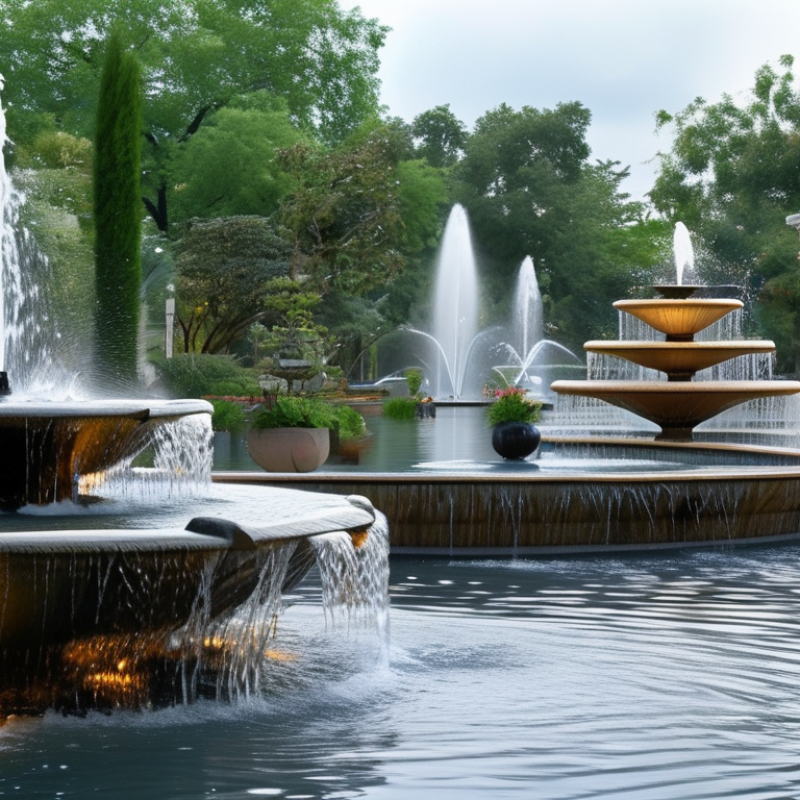
Water Feature Fountains have become essential elements in landscaping and interior design. These stunning installations draw the eye and soothe the soul. Many buyers seek unique designs that reflect their personal style and enhance their space.
As we explore the top 10 designs, we uncover a range of styles. From modern minimalist sculptures to classic tiered fountains, each offers its charm. These features can transform a simple garden or patio into a serene retreat.
Buyers often face challenges when selecting the right Water Feature Fountain. Factors like size, material, and maintenance play crucial roles. Reflecting on these elements helps ensure a satisfying choice. Let's dive into our list and discover how these beautiful fountains can elevate any environment.
Top Trends in Water Feature Fountain Designs for 2023
As we move into 2023, water feature fountain designs are evolving rapidly. According to recent industry reports, the demand for innovative water features has increased by 25% over the past year. Outdoor spaces are becoming more popular, emphasizing tranquil designs that harmonize with nature. Buyers seek fountains that not only serve aesthetic purposes but also enhance relaxation and well-being.
Sustainable materials are trending this year. Eco-friendly options, such as recycled metals and natural stone, are gaining traction. Data shows 60% of consumers prefer fountains that minimize environmental impact. Compact designs are on the rise, catering to smaller urban spaces. They offer the same calming effect in a more limited footprint. People are also leaning toward smart technology. Remote-controlled fountains add convenience and allure.
However, some challenges remain in this market. The diversity in consumer preferences can complicate design choices. Not everyone values the same features, leading to potential mismatches. Moreover, maintaining these water features often requires more attention than anticipated. Some buyers might overlook this aspect, leading to frustration in the long run. As the market continues to evolve, understanding these trends can guide informed purchasing decisions.
Key Materials Used in Contemporary Fountain Construction
Water features have become popular in modern landscaping. They create a visually appealing and calming environment. Various materials are used in fountain construction, affecting aesthetics and functionality. Stone, metal, and glass are among the most common materials chosen for their unique properties.
Stone is known for its natural beauty. It blends well with outdoor environments. However, it can be heavy and expensive. When selecting stone, consider its durability and texture. Aim for a balance between appearance and strength.
Metal fountains offer a sleek, contemporary look. Stainless steel is widely favored for its corrosion resistance. It’s lightweight, making installation easier. However, it may require regular maintenance to prevent scratches.
Glass adds elegance and a modern twist. Its transparency creates stunning visual effects. However, glass can be fragile and might not suit all environments. Reflect on where and how you will use it.
Tips: Always consider the local climate when choosing materials. Some materials perform better in specific weather conditions. Regular maintenance is essential for longevity. Do your research to understand your material options. Prioritize functionality and aesthetic preferences when designing your fountain.
The Impact of Fountain Size and Scale on Outdoor Spaces
The size and scale of a fountain significantly affect outdoor spaces. A grand, towering fountain can create a focal point, drawing the eye and encouraging visitors to gather around it. Conversely, a smaller, more delicate design may invite contemplation, offering a serene space for relaxation. Choosing the right size depends on your landscape and intended ambiance.
Consider the surrounding features. A high wall or towering trees can dwarf a petite fountain, rendering it ineffective. On the other hand, a massive fountain in a cramped area can overwhelm the landscape. Finding balance is crucial. Reflect on how the fountain interacts with paths, seating, and plants.
Texture and material choice can amplify the impact. A sleek stone fountain can modernize a space, while a rustic, aged design might blend with nature. Water sounds play a role too; some prefer gentle trickles, others dynamic splashes. Each element shapes the experience. There’s no one-size-fits-all answer, so careful consideration is needed.
Innovative Technology: Smart Fountains and Their Benefits
Innovative technology in water features has redefined outdoor spaces. Smart fountains are gaining traction among homeowners and businesses. These fountains use sensors and automation to enhance user experience. They can adjust water flow, light shows, and even sound based on environmental conditions. The result is a visually stunning display that responds to its surroundings.
Smart fountains also offer energy efficiency. Many designs integrate solar power or LED lighting. This helps reduce operational costs and environmental impact. Enjoying a beautiful water feature does not mean sacrificing sustainability. However, regular maintenance is crucial. Neglecting upkeep can undermine the benefits of smart technology.
Tips for choosing a smart fountain:
- Consider location. Ensure you have enough space and proper drainage.
- Look for user-friendly controls. Intuitive technology can enhance enjoyment.
- Research features. Ensure the fountain meets your aesthetic and functional needs.
Many designs may require a learning curve. Investing in a water feature should consider potential challenges. Creating a harmonious outdoor atmosphere involves thoughtful planning. Balancing aesthetics with technology is key.
Sustainability in Fountain Design: Water Conservation Solutions
Sustainable fountain designs prioritize water conservation and ecological balance. In recent years, these features have gained attention for their ability to enhance landscapes while minimizing water waste. Key elements include recirculating systems that use a fraction of the water traditional fountains require. These systems can reduce evaporation loss and ensure a steady water supply in drought-prone areas.
Using native plants around fountains can further enhance sustainability. These plants require less water and provide habitat for local wildlife. Thoughtfully chosen materials can also contribute to water conservation. For instance, porous stone allows rainwater to seep through, aiding in groundwater replenishment. However, even with these innovations, many fountains struggle with maintenance issues that can lead to increased water usage.
Balancing aesthetics and sustainability remains a challenge. Many designs look beautiful but may not be efficient. Regular checks and maintenance are essential to ensure that these fountains remain operational and eco-friendly. The journey towards a greener future in fountain design is ongoing. Reflections on existing systems can help guide improvements, leading to solutions that benefit both people and the planet.



 © Copyright 2020 Tianjin Tanghaidongyang Valve Co., Ltd. All Rights Reserved.