China Top 10 3 Way Ball Valve Manufacturers
Choosing a 3 way ball valve manufacturer is not just a price comparison. The right supplier should understand flow direction, operating pressure, media, temperature, and connection requirements. A valve that looks suitable in a catalog may perform differently once installed. Details matter.
This guide to China’s top 10 3 way ball valve manufacturers is designed to help buyers compare suppliers with practical questions in mind. Consider product range, material options, machining and assembly processes, inspection records, customization support, and experience serving relevant industries. Ask how the manufacturer verifies body dimensions, seat sealing, and switching between flow paths. These checks can reveal more than a brochure can.
A strong shortlist should also account for communication, sample availability, lead times, and after-sales support. Request current technical documents and confirm that quoted specifications match the intended service conditions. Where possible, review test procedures and discuss how quality issues are handled. No single ranking can fit every project. Still, a consistent comparison makes supplier discussions clearer and helps reduce avoidable surprises.
The manufacturers featured in this overview offer different capabilities and product focuses. Treat the list as a starting point, not a substitute for technical review. Some information may change, and a promising first impression is not proof of long-term performance. That is worth remembering. Compare evidence, ask specific questions, and choose a partner whose valve design and support match your application.
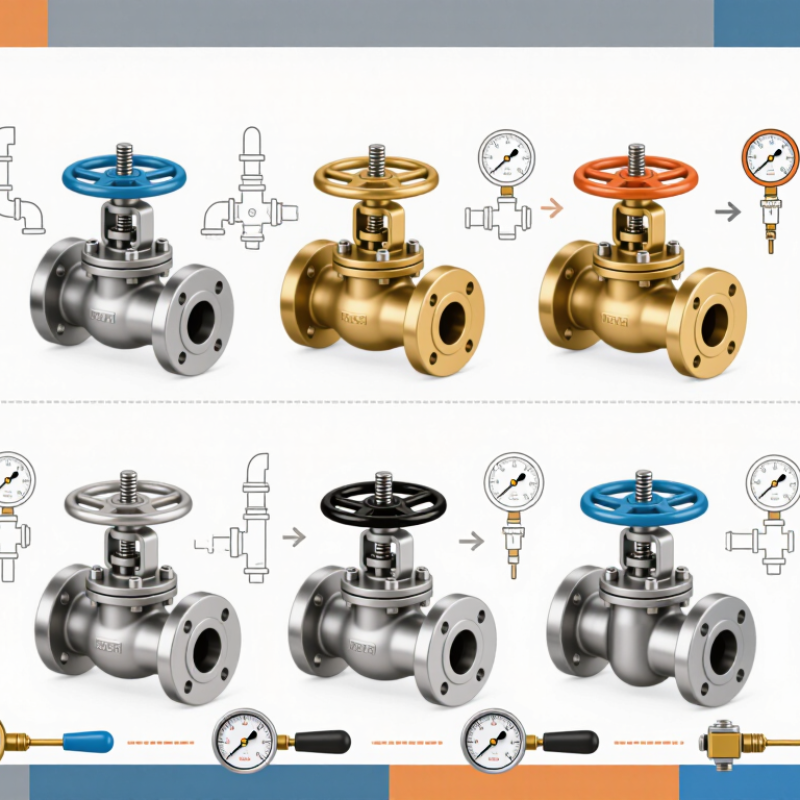
3-Way Ball Valve Basics: L-Port, T-Port, and Flow Paths
China Top 10 3 Way Ball Valve Manufacturers
3-Way Ball Valve Basics: L-Port, T-Port, and Flow Paths
A three-way ball valve directs fluid through one of three ports. Inside, a drilled ball turns to connect selected passages. An L-port ball typically links the common port to one outlet at a time, switching flow between two routes. A T-port ball can connect all three ports or isolate one, depending on its position and design. Port labels and handle positions vary, so check the valve’s flow diagram rather than relying on appearance alone.
The difference matters in real piping. An L-port valve can select between two supply lines, while a T-port may blend streams or divert flow. But not every T-port configuration allows every connection. Rotation stops and seat design affect the available paths. It is easy to assume a quarter-turn handle tells the whole story. It does not. Confirm the intended operating sequence before installation, especially where an unexpected connection could disrupt a process.
Tips: Trace each port on the manufacturer’s diagram, then mark the required handle positions. Check pressure, temperature, and media compatibility for the complete valve assembly. Simple, but important. If the flow path remains unclear, pause and verify it with a qualified valve specialist.
Core Specifications: DN, PN, Class Ratings, and ASME B16.34
When comparing three-way ball valve manufacturers in China, start with the pressure and size markings, not the catalogue headline. DN identifies nominal size; it does not guarantee the valve’s exact bore or flow capacity. Ask for the port arrangement, connection dimensions, and actual flow passage. Small differences matter when a valve must fit an existing pipe run.
PN and Class ratings are not interchangeable numbers. PN is a metric pressure designation, while Class ratings follow pressure-temperature tables tied to materials and design standards. Neither should be read as a fixed allowable pressure at every operating temperature. ASME B16.34 provides requirements and pressure-temperature ratings for covered valves, but confirm the stated edition and scope on the technical documents. Check the details. The body material, trim, seat, and end connections should match the rating being offered.
A practical review compares the datasheet with the service conditions: operating pressure, temperature, fluid, and switching frequency. For example, a DN50 valve marked Class 300 may still need a lower allowable pressure at elevated temperature, depending on its material. That matters. Request traceable material information and applicable inspection or test records, then verify the three-way L-port or T-port configuration. One detail is easy to miss: the quoted rating may apply to the body, while seat limits differ. I would ask for both in writing.
China’s Top 10 Manufacturers: Products, Materials, and Applications
When comparing China’s top 10 three-way ball valve manufacturers, look beyond catalog size. Check whether each supplier offers L-port or T-port designs, since these control flow differently. L-port valves typically divert flow between two outlets; T-port designs can mix or distribute flow across three ports. Small detail. It affects the piping layout.
Material choice should match the fluid, temperature, and pressure. Stainless steel, including 316, is common where corrosion resistance matters; carbon steel may suit less corrosive services. PTFE seats can provide tight shutoff, but temperature and chemical compatibility still need checking. For water treatment, chemical processing, and HVAC systems, request pressure ratings, seat specifications, and test records for the exact configuration. Fit matters.
Fortune Business Insights estimated the global industrial valves market at US$76.2 billion in 2023 and projected US$107.5 billion by 2032. This covers industrial valves broadly, not China-made three-way ball valves alone. That distinction matters. A useful supplier comparison should therefore rely on verifiable product documents, not market growth figures. Ask for material certificates, dimensional drawings, and pressure-test procedures. A polished catalog is not proof of service life; installation conditions and maintenance can change the outcome.
Compliance Checks: API 6D, API 608, ISO 5211, and Test Records
For buyers comparing China’s top 10 three-way ball valve manufacturers, documentation matters as much as machining. Grand View Research estimated the global industrial valve market at about USD 79 billion in 2023; that scale makes traceable qualification important. API 6D covers pipeline valves, while API 608 applies to metal ball valves. Check the stated standard, edition, valve design, pressure class, and end connections against the actual product—not just the catalog.
API 598 provides practical test benchmarks: shell tests are generally conducted at 1.5 times the pressure rating at 100°F, and high-pressure closure tests at 1.1 times. Confirm the applicable table and edition before comparing results. Each record should identify the valve serial number, test medium, pressure, hold time, leakage result, and gauge calibration status.
ISO 5211 specifies actuator mounting interfaces; verify flange dimensions and stem engagement against the actuator drawing. Paperwork can look complete. Details matter.
Tips: Request a sample test pack for one finished valve. Match its serial number to the nameplate, material traceability records, and inspection results. If a certificate lists only “passed,” ask for measured values and acceptance criteria. A small gap in records deserves a second look.
Selection Metrics: Cv, Leakage Class, Temperature, and Actuation
For a three-way ball valve, Cv is a starting point, not a promise of performance. ISA 75.01.01 and IEC 60534-2-1 define sizing methods; the Cv reference is one US gallon per minute of water at 60°F, with a 1 psi pressure drop. Use the actual fluid, flow range, and port configuration when sizing. An oversized valve may hunt at low flow. Small details matter.
Leakage class needs equal care. ANSI/FCI 70-2-2013 defines seat-leakage classes and test procedures; Class VI limits leakage by seat size and test conditions. It does not mean zero leakage in every installation. Temperature limits also depend on the body, seat, seals, and pressure. ASME B16.34 pressure-temperature ratings can help check body limits, but soft-seat materials may set a lower ceiling. Verify the complete assembly’s published range.
Actuation should match differential pressure, seat friction, and required fail position. A cold-start valve with a sticky seat may need more torque than a clean bench test suggests. I would check the actuator’s torque curve against the valve supplier’s breakaway and running-torque data, then allow for service conditions. That margin is easy to overlook. Cv and leakage figures are useful only when test conditions and operating assumptions are stated clearly.






 © Copyright 2020 Tianjin Tanghaidongyang Valve Co., Ltd. All Rights Reserved.