Top 10 Actuator Valves for Efficient Industrial Operations?
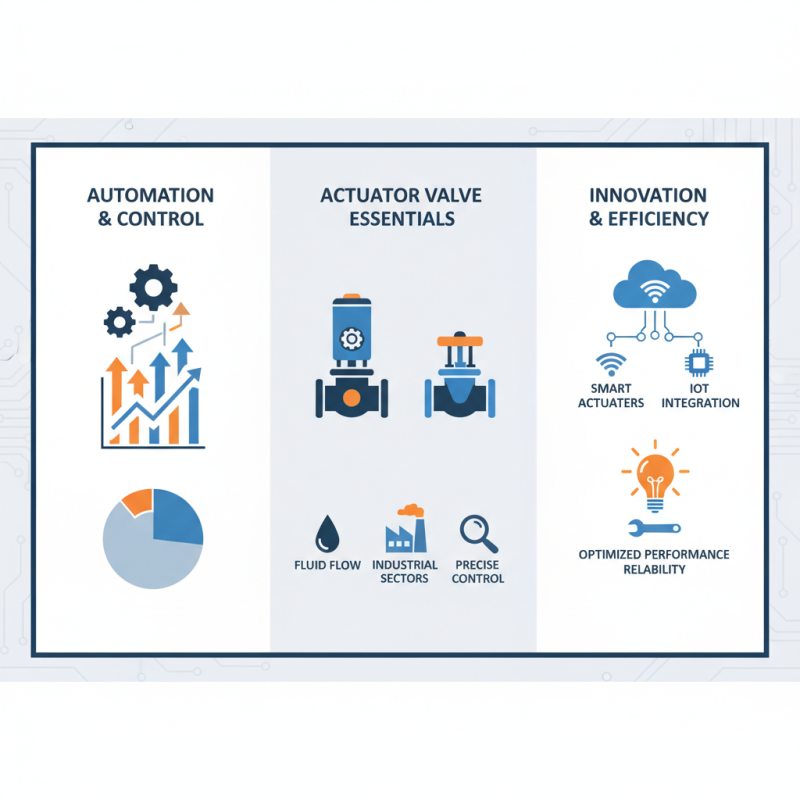
In today's industrial landscape, actuator valves play a critical role in achieving operational efficiency. According to a market research report by Grand View Research, the actuator valve market is projected to reach USD 9.12 billion by 2025, driven by the increasing need for automation and control in various industries. These valves facilitate precise control of fluid flow, making them essential in sectors ranging from oil and gas to water treatment.
However, not all actuator valves are created equal. The selection process can be daunting, considering various factors such as actuator type, valve design, and industry-specific requirements. A comprehensive understanding of these components is crucial for optimizing performance and reducing downtime. Industry experts emphasize the importance of meticulous selection to avoid common pitfalls, such as over-specifying or underestimating the valve capabilities.
As industries evolve, so do the technologies behind actuator valves. Innovations like smart actuators and IoT integration are redefining operational efficiencies. Still, many organizations struggle to implement these advancements effectively. This reveals a gap in knowledge and application that requires ongoing training and awareness. Ultimately, finding the right actuator valve can dramatically enhance an operation's reliability and efficiency.
Top 10 Actuator Valves for Efficient Industrial Operations
In the realm of industrial operations, actuator valves play a pivotal role. These devices modulate flow and pressure through systems efficiently. Selecting the right actuator valve can significantly enhance performance. Consider various types like electric, pneumatic, and hydraulic options. Each has its strengths and weaknesses. For instance, electric actuators are precise but may face issues in extreme environments.
Maintenance and selection are crucial for maximizing efficiency. Regular checks ensure these valves operate smoothly. Over time, wear and tear can impact functionality. It’s essential to monitor these components and replace them when necessary. Choosing the best actuator valve may require trial and error. Don't hesitate to experiment with different types.
Training staff on equipment use also contributes to operational success. Knowledgeable operators can identify potential problems early. This proactive approach helps in addressing issues before they escalate. Ultimately, understanding the nuances of actuator valves can lead to significant operational improvements. However, always be open to learning what works best for your specific application.
Understanding Actuator Valves: Types and Their Functions
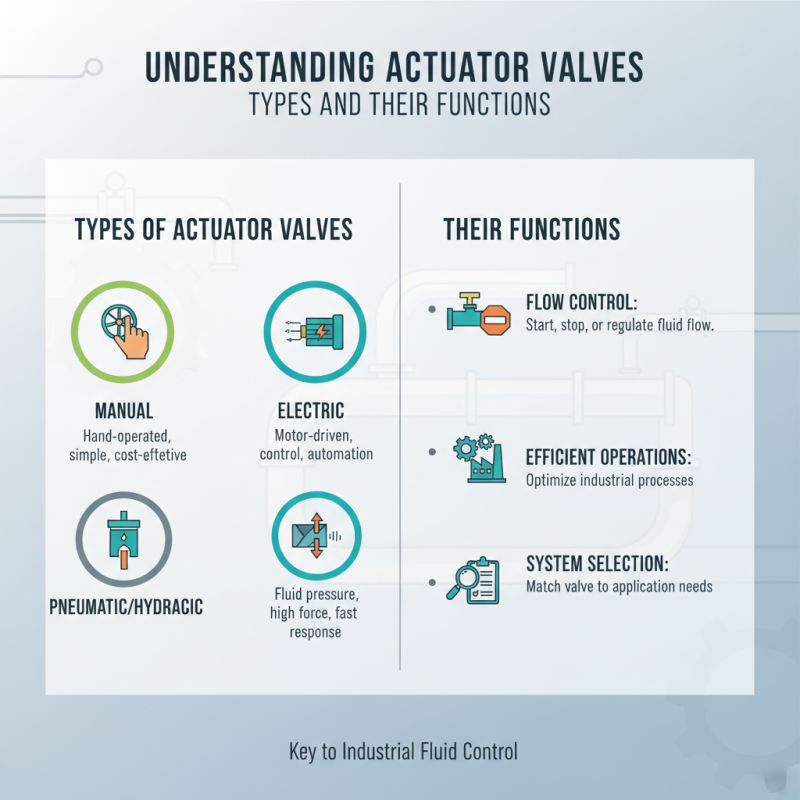
Actuator valves are essential components in industrial systems. They control the flow of fluids, enabling efficient operations. Understanding their types and functions helps in selecting the right actuator valves for your needs.
There are several types of actuator valves, including electric, pneumatic, and hydraulic. Electric actuators are preferred for precise control. They work well in environments requiring minimal maintenance. Pneumatic actuators, on the other hand, use compressed air. This type is robust and suitable for high-speed applications. Hydraulic actuators provide strong force, making them ideal for heavy-duty operations. Each type has its specific applications, and knowing these can lead to improved efficiency.
The choice of actuator valve impacts system performance. Over time, some may face issues, like leaks or operational failures. Regular maintenance is necessary to ensure reliability. Companies often overlook this, resulting in unexpected downtimes. Proper training for personnel on valve operations can also enhance efficiency. Mistakes in operating these systems can lead to increased costs. Understanding actuator valves means recognizing their strengths and weaknesses in industrial settings.
Key Features to Consider When Selecting Actuator Valves
When selecting actuator valves for industrial operations, several key features are crucial. Understanding these can enhance efficiency and reliability. One important aspect is the range of motion. Valves with a full 360-degree rotation often provide better control. This flexibility can accommodate various applications.
Another major consideration is the response time. Fast-acting valves can significantly reduce system lag, enhancing overall performance. An actuator valve that responds within milliseconds can mean better process control. Pay attention to the materials as well. Corrosion-resistant materials prolong service life and reduce maintenance needs.
Tips: Always assess the operating environment. If conditions are harsh, choose valves specifically designed for those stresses. Additionally, consider the power supply type. Pneumatic and electric actuators have distinct advantages. The choice impacts system design and operational efficiency.
Lastly, think about the integration with existing systems. Valves should easily interface with current technology. This ensures smoother operations and minimizes the need for extensive retrofitting. Evaluating these components thoughtfully results in more effective and reliable industrial processes.
Top 10 Actuator Valves for Efficient Industrial Operations
This chart illustrates the operating efficiency percentages of the top 10 actuator valves used in industrial operations. Higher percentages indicate better performance, which is crucial for maintaining efficiency in various applications.
Industry Applications of Actuator Valves: A Statistical Overview
Actuator valves play a critical role in various industrial applications, automating fluid control in systems. According to a recent report by Research and Markets, the global actuator valve market is projected to reach $5.5 billion by 2027, indicating a growing emphasis on automation and efficiency. Industries such as oil and gas, water treatment, and chemical processing are prominent users of these valves. For instance, in the oil and gas sector, actuator valves enable efficient flow control, reducing waste and downtime.
Statistics reveal that nearly 40% of industries are adopting intelligent actuator technologies. This is due to their enhanced performance and reliability. However, many facilities still grapple with outdated systems, resulting in energy inefficiencies. A study by the International Energy Agency found that upgrading to modern actuator valves could reduce energy consumption by up to 30%. Despite this potential, organizations must evaluate their operational needs carefully. Misalignment can lead to unnecessary investments. The industrial landscape requires a nuanced approach to valve selection and implementation, focusing on reliability and integration into existing systems.
Performance Metrics: Evaluating Efficiency in Industrial Operations
In industrial operations, actuator valves play a vital role. Their efficiency directly impacts overall performance. Evaluating these valves involves various performance metrics. Flow rate, response time, and energy consumption are crucial factors. Understanding how each metric affects operations is essential for optimization.
Flow rate indicates how much fluid the valve can control. A valve that cannot handle the required flow can cause delays. Response time measures how quickly the valve reacts to commands. Slow response can lead to inefficiencies. Energy consumption reflects how much power is used during operation. High energy use can increase operational costs unnecessarily.
While these metrics provide valuable insights, it’s important to note their limitations. A high flow rate does not always equate to a more efficient operation. Similarly, a quick response time may not be beneficial if it leads to excessive wear. Operators must balance these metrics to achieve optimal performance. Identifying the right combination can be complex but rewarding. Continuous evaluation and adjustment are key to maintaining efficiency in industrial settings.
Conclusion
The article "Top 10 Actuator Valves for Efficient Industrial Operations" provides a comprehensive overview of actuator valves, emphasizing their significance in enhancing operational efficiency across various industries. It begins by explaining the different types of actuator valves and their respective functions, which play a crucial role in controlling fluid flow in industrial systems. The key features to consider when selecting actuator valves are also highlighted, ensuring that readers can make informed decisions tailored to their specific needs.
Additionally, the article offers a statistical overview of the industry applications for actuator valves, showcasing their adaptability and essential role in diverse sectors. It also delves into performance metrics that evaluate the efficiency of these valves within industrial operations. Finally, the piece discusses future trends and innovations in actuator valve technology, illustrating the ongoing advancements that promise to further enhance operational efficiencies in the industrial landscape.






 © Copyright 2020 Tianjin Tanghaidongyang Valve Co., Ltd. All Rights Reserved.