2026 Top 3 Way Ball Valve Applications and Benefits?
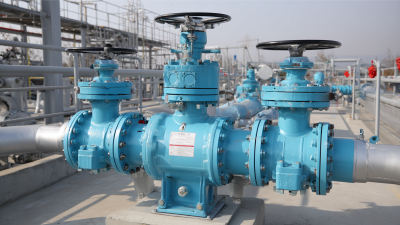
In the evolving landscape of industrial applications, the 3 way ball valve stands out as a pivotal component. Expert John Smith, a leading figure in valve technology, asserts, "The versatility of the 3 way ball valve is unmatched in fluid control." This type of valve efficiently manages fluid flow in multiple directions, making it essential in various sectors.
Industries like oil and gas, chemicals, and water treatment rely heavily on 3 way ball valves. They offer benefits such as space efficiency and ease of operation. These valves can redirect or mix flows, which is crucial for complex systems. However, not all installations maximize their potential.
Despite the advantages, the choice of a 3 way ball valve must be thoughtful. Users often overlook specific requirements, leading to inefficiencies. Selecting the wrong type can hinder performance. Thus, understanding the operational demands is vital for effective use and achieving desired outcomes.
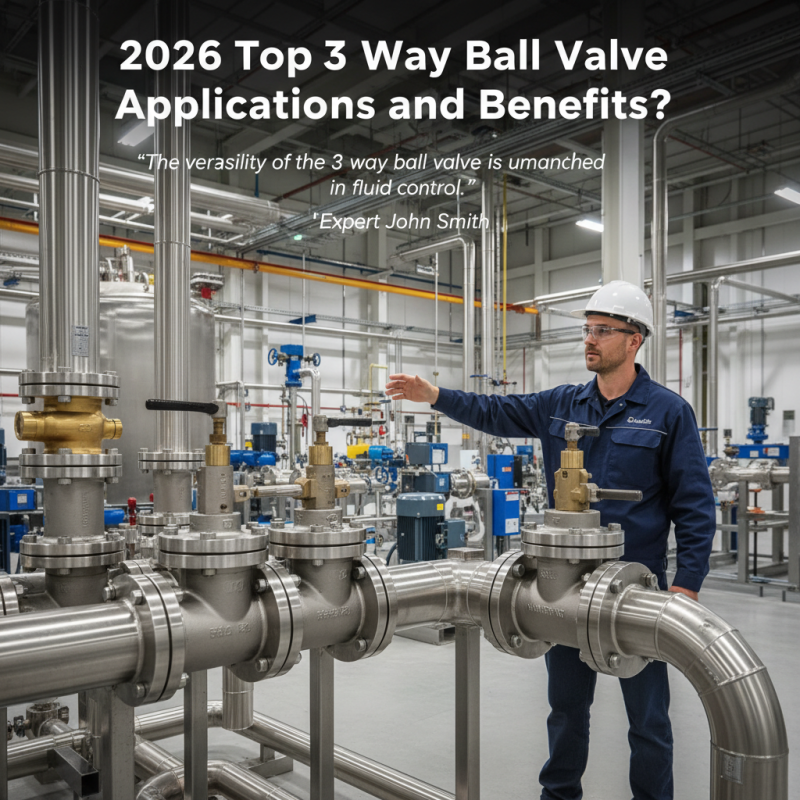
Top Applications of 2026 Three-Way Ball Valves in Industrial Systems
Three-way ball valves are increasingly vital in industrial systems, especially in 2026. These valves enable seamless fluid control in various processes. They allow for diverting flow or blending different media. This versatility boosts operational efficiency in settings like chemical manufacturing or food processing.
One major application is in HVAC systems. Here, three-way ball valves regulate hot and cold water flow. They ensure optimal temperature control in buildings. However, the complexity of installation can lead to errors. Proper training and systems checks are crucial for reliable performance.
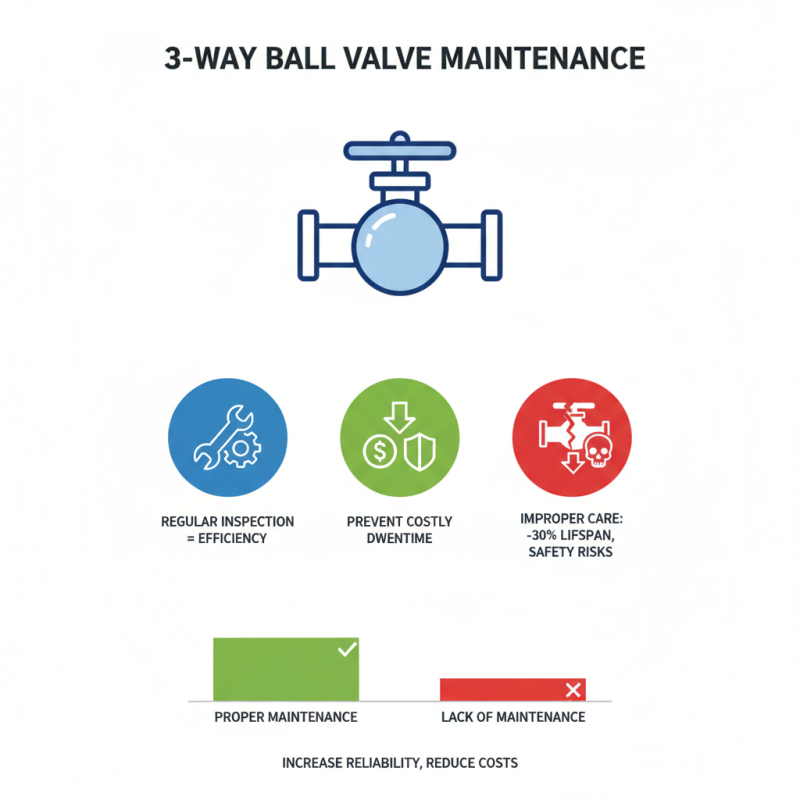
Another significant use is in oil and gas production. These valves help in managing flow paths, allowing for immediate response to changing conditions. Yet, if not maintained correctly, they can fail. Regular inspections are essential to avoid costly shutdowns. Addressing these potential weaknesses can enhance overall system reliability.
Top 3 Applications of 2026 Three-Way Ball Valves in Industrial Systems
Key Benefits of Using Three-Way Ball Valves in Fluid Control
Three-way ball valves are essential in fluid control systems. They allow for versatile flow management. By directing fluid in different directions, they enhance operational efficiency. These valves can easily switch between multiple pathways, enabling better control.
One key benefit of three-way ball valves is their compact design. This compactness saves space in piping systems. Without complex configurations, installation becomes simpler. However, their simplicity may lead to oversights during maintenance. Regular checks are crucial to ensure they function properly.
Another advantage is their ability to handle various media. They work effectively with gas, liquid, or steam. This versatility makes them popular across industries. Yet, each application comes with its own challenges. Understanding fluid properties is important. Miscommunication can lead to system failures. Users should always assess their specific needs for optimal results.
Comparative Analysis of Three-Way Ball Valves vs. Traditional Valves
Three-way ball valves have gained popularity in various industries. They handle fluids effectively, streamlining processes. Unlike traditional valves, they allow flow redirection without multiple components. This makes installations simpler and more efficient.
Traditional valves, like gate or globe types, shine in specific applications. However, they often require extra equipment for flow switching. This can lead to increased costs and complexity. Three-way ball valves eliminate that need. They offer versatility in flow management, allowing for more compact systems.
Despite these advantages, three-way ball valves have limitations. They may not be suitable for all pressure levels or fluid types. Some users find them less intuitive than traditional options. This can lead to installation errors or maintenance challenges. It's essential to assess your specific needs before choosing the right valve type.
Innovations Driving the Future of Three-Way Ball Valve Technology
The future of three-way ball valve technology is bright, driven by innovation. These valves are essential for regulating fluid flow in various industries. New designs feature advanced materials that enhance durability. This means less maintenance and longer lifespans.
Companies are focusing on automation. Smart three-way ball valves can now be monitored remotely. This automation allows for real-time adjustments, improving efficiency. However, the technology can be complex. For some, this creates a learning curve. Ensuring proper training for operators is crucial.
Another key aspect is energy efficiency. Modern valves can minimize leaks and reduce energy consumption. This not only saves costs but also benefits the environment. Yet, not all systems are fully optimized. Some installations still face challenges in achieving peak performance. Ongoing refinement is needed to realize the full potential of this technology.




 © Copyright 2020 Tianjin Tanghaidongyang Valve Co., Ltd. All Rights Reserved.