| Test purpose and standards | Define whether the chamber is for low-pressure simulation, altitude testing, or a combined environmental test. Identify the applicable test method and revision. | IEC 60068-2-13 covers low air pressure testing. MIL-STD-810H Method 500.6 addresses low-pressure testing; the required procedure depends on the product and test plan. | Share the required pressure profile, ramp rates, dwell times, load, and test procedure with suppliers before requesting a quotation. |
| Pressure range and control | Confirm minimum and maximum absolute pressure, control accuracy, stability, uniformity, ramp control, and measurement range. | Pressure capability and performance depend on the chamber design, sensor, control system, sample load, and operating conditions. Ask for documented specifications across the intended range. | Request a pressure-versus-time demonstration or acceptance test using conditions representative of your application. |
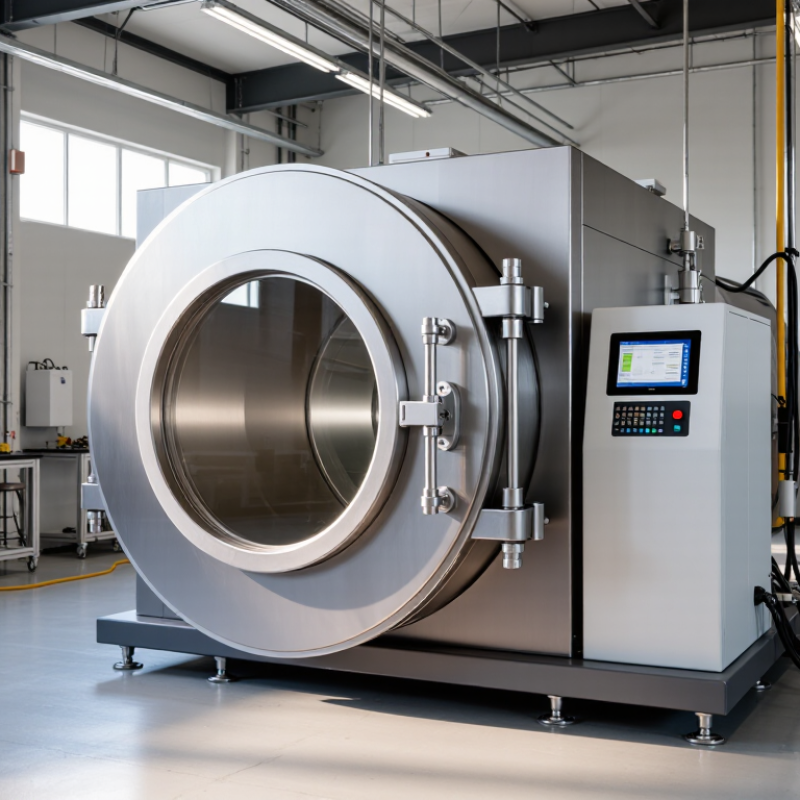
| Chamber size and payload | Provide the largest sample dimensions, fixture details, quantity per run, and required internal working space. | Usable volume may be smaller than the external chamber dimensions. Fixtures, cables, and airflow or thermal requirements can affect loading and test performance. | Request internal and external drawings, door-opening dimensions, payload limits, and recommended sample clearances. |
| Temperature and other functions | State whether temperature control, humidity control, electrical feedthroughs, or other interfaces are required alongside pressure testing. | Combined capabilities can change the equipment configuration, utilities, validation needs, and price. Not every low-pressure chamber provides temperature or humidity control. | Ask suppliers to identify included functions, optional features, operating limits, and any interactions between test conditions. |
| Supplier capability and documentation | Review technical specifications, drawings, control-system details, safety information, references, and factory acceptance procedures. | Compare suppliers against the same written requirement. Confirm which items are standard, optional, excluded, or subject to site conditions. | Request a compliance matrix and a written list of deviations before placing an order. |
| Shipping and import | Confirm packed dimensions and weight, shipping method, delivery terms, insurance, customs documents, and unloading requirements. | Freight and import costs vary by destination, shipment size, route, and delivery terms. The buyer may need to arrange customs clearance, duties, a loading dock, or lifting equipment. | Obtain a destination-specific freight quotation and verify doorways, elevators, floor access, and unloading arrangements in advance. |
| Site readiness and utilities | Check electrical supply, grounding, cooling or ventilation needs, floor capacity, installation clearance, and any vacuum-system exhaust requirements. | Utility requirements are model-specific. Installation access and local electrical standards should be checked against the supplier’s site-preparation guide. | Request a site-preparation checklist and confirm the proposed installation location with facilities and safety teams. |
| Installation and commissioning | Clarify who handles positioning, connection, startup, operator training, acceptance testing, and commissioning documentation. | On-site service availability and travel requirements differ by destination. Remote guidance may not replace installation or commissioning needed for a particular setup. | Include the scope, schedule, travel costs, acceptance criteria, and training deliverables in the purchase agreement. |
| Calibration and traceability | Specify calibration requirements for pressure and any other controlled measurements, including the required range and documentation. | Where accreditation is required, check that the calibration provider’s ISO/IEC 17025 accreditation scope covers the relevant measurement and range. | Confirm calibration certificates, traceability, uncertainty, and recalibration recommendations before ordering. |
| Warranty, service, and spare parts | Review warranty coverage, response process, service location, remote support, software updates, and spare-part availability. | Coverage, exclusions, service response times, and parts lead times are supplier- and contract-specific and should not be assumed from the equipment description alone. | Obtain written warranty terms and a service plan that identifies contact routes, escalation steps, and expected support coverage in your region. |
| Total ownership cost | Compare purchase price with freight, import charges, installation, utilities, calibration, maintenance, consumables, and expected service costs. | The lowest initial quote may not include the same configuration, delivery scope, training, documentation, or after-sales support as competing offers. | Evaluate comparable quotations using a total-cost checklist and confirm all inclusions and exclusions in writing. |



 © Copyright 2020 Tianjin Tanghaidongyang Valve Co., Ltd. All Rights Reserved.