Selecting a bath towel making machine requires more than comparing advertised output. Capacity should match your daily orders, towel sizes, yarn types, and planned production shifts. Ask manufacturers for tested output in kilograms per day, not only maximum speed. A machine producing 1,000 kilograms daily may struggle during frequent size changes. Request a factory trial with your yarn and target towel specifications.
Energy use directly affects operating cost. Examine electricity, compressed air, water, and steam consumption for each production stage. Efficient motors and heat recovery can reduce waste, but published figures may reflect ideal conditions. Measure actual consumption during a full shift. Small details matter, such as standby power and air leaks.
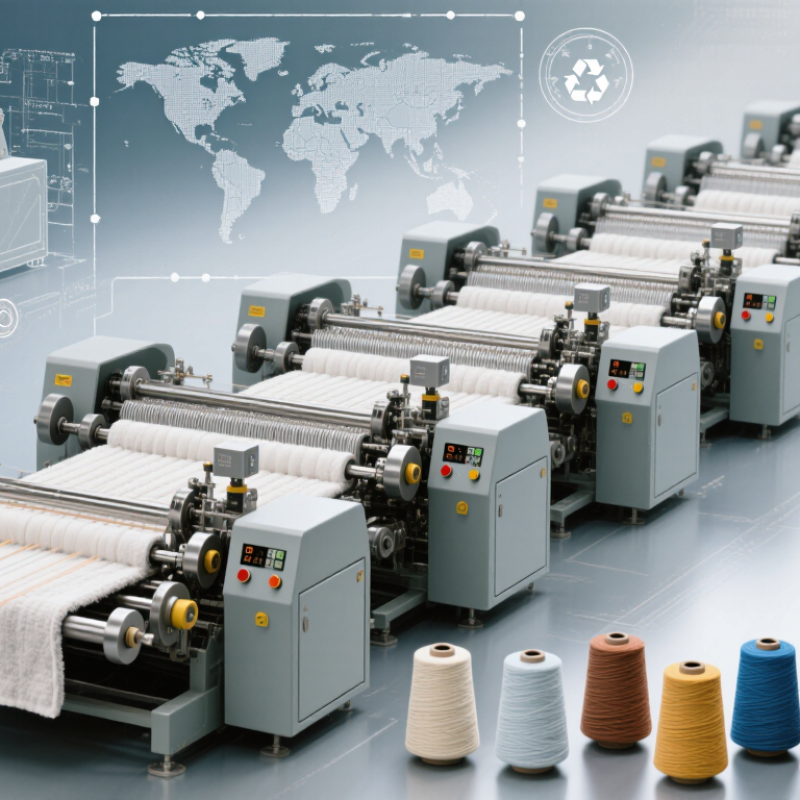
Automation should improve consistency without making maintenance difficult. Useful features include programmable controls, yarn-tension sensors, automatic fault alarms, and production data logging. Operators should adjust settings through clear screens, not complicated hidden menus. Too much automation can become expensive when local technicians lack training. That risk deserves honest discussion.
ISO 9001 certification indicates a documented quality management system, but it does not guarantee superior machinery. Verify the certificate’s validity and scope. Review inspection records, calibration procedures, corrective actions, and spare-part controls. Reliable manufacturers can explain how they handle defects after delivery. Speak with experienced users when possible. Their maintenance notes may reveal weaknesses that brochures omit._require a pilot run, clear acceptance criteria, and written service responsibilities before purchasing.



 © Copyright 2020 Tianjin Tanghaidongyang Valve Co., Ltd. All Rights Reserved.