Top 10 Benefits of Using a Commercial Refrigerator for Your Business?
In today's competitive market, businesses need reliable solutions to keep their products fresh and accessible. A "Commercial Refrigerator" is essential for various industries, from restaurants to grocery stores. Expert John Smith, a leading figure in the commercial refrigeration industry, states, “Investing in a good commercial refrigerator can significantly enhance food safety and customer satisfaction.” This statement highlights the importance of proper refrigeration.
Choosing the right "Commercial Refrigerator" can also reduce energy costs. Many models are designed to be energy-efficient, making them a smart choice for long-term savings. The benefits extend beyond just savings; they also include improved inventory management. Businesses can track their stock levels more easily when products are stored correctly.
However, not all commercial refrigerators are the same. Some may lack advanced features needed for specific needs. Those who invest without thorough research might face unexpected challenges. It's crucial to assess your business's requirements before making a final decision. A reliable "Commercial Refrigerator" can transform operations, but understanding your options is key to success.
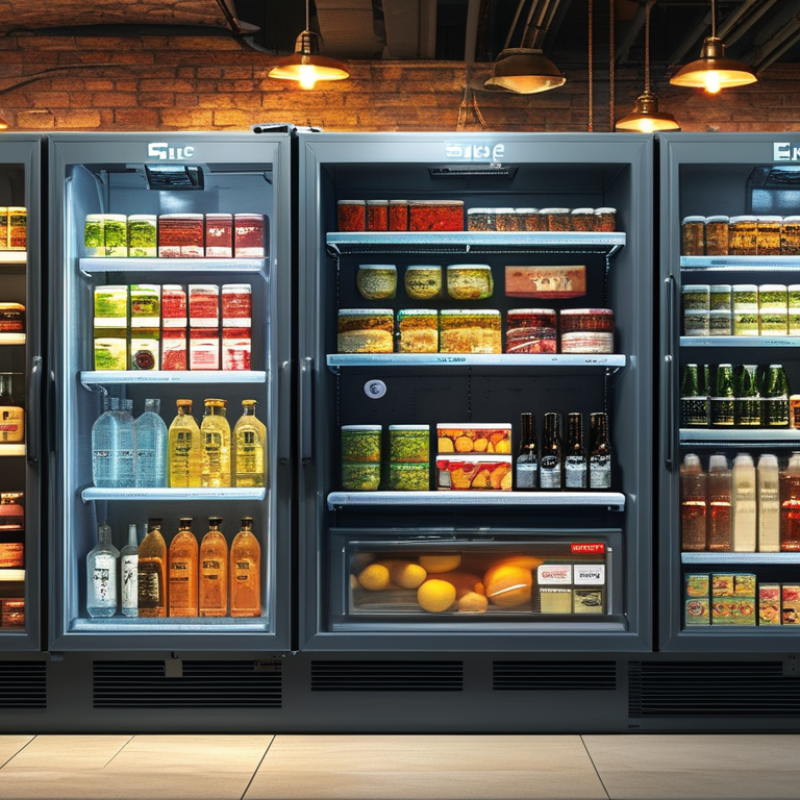
Advantages of Enhanced Food Preservation with Commercial Refrigerators
Commercial refrigerators play a crucial role in the food industry. They ensure optimal food preservation, which is essential for maintaining quality and safety. According to the Food and Drug Administration (FDA), foodborne illnesses affect about 48 million people annually in the United States. Proper storage can significantly reduce this risk.
Enhanced preservation can extend the lifespan of perishable items. Research indicates that commercial refrigeration systems can lower temperatures effectively, keeping food fresh for longer periods. For instance, fruits and vegetables stored in ideal conditions can last 30% longer than those kept in standard refrigerators. This not only benefits food quality but also aids businesses in reducing waste.
Despite the advantages, maintaining these systems can be challenging. Regular cleaning and servicing are necessary to ensure efficiency. Without proper upkeep, refrigeration units may fail, leading to food spoilage. Furthermore, businesses often overlook energy consumption when selecting equipment. According to the U.S. Department of Energy, commercial refrigeration accounts for about 10% of energy use in restaurants. Selecting energy-efficient models can offset operational costs, making them a smart investment in the long run. The balance between quality, cost, and maintenance requires careful planning and reflection.
Top 10 Benefits of Using a Commercial Refrigerator for Your Business
| Benefit | Description |
| Enhanced Food Preservation | Maintains optimal temperatures to extend the shelf life of perishable items. |
| Energy Efficiency | Designed to consume less energy, reducing operational costs over time. |
| Commercial Grade Reliability | Built to withstand heavy usage in a commercial environment. |
| Optimal Storage Capacity | Offers more space compared to standard refrigerators for larger inventories. |
| Advanced Temperature Control | Allows precise temperature settings to meet different storage needs. |
| Improved Hygiene Standards | Easier to clean and maintain, ensuring higher hygiene levels. |
| Increased Product Visibility | Glass doors and LED lighting enhance product display for savings and promotions. |
| Versatility | Can be used for different types of food products, including fresh produce and frozen items. |
| Regulatory Compliance | Meets local health and safety regulations, necessary for food businesses. |
| Enhanced Product Freshness | Maintains food quality and flavor, resulting in better customer satisfaction. |
Improved Energy Efficiency Leading to Cost Savings for Businesses
When running a business, energy costs can significantly impact your budget. Upgrading to a commercial refrigerator can enhance energy efficiency. These units are designed to use less power while maintaining optimal temperatures. Improved insulation and advanced cooling technology work together to reduce energy consumption.
Tip: Regular maintenance on your refrigerator can enhance its efficiency. Check for any door seals that might be worn out. A tight seal is crucial to keeping the cold air in.
By lowering energy usage, you'll see savings on your utility bills. This can lead to substantial cost reductions over time. In addition, many commercial refrigerators are equipped with energy-saving features. Options like smart thermostats can adjust temperatures automatically, maximizing efficiency based on usage patterns.
Tip: Monitor your energy consumption regularly. Take note of peak usage times and adjust your refrigerator's settings accordingly. This simple step can further reduce costs.
Despite these benefits, it’s essential to choose the right model for your business needs. An oversized refrigerator can waste energy, which negates potential savings. Conduct a thorough assessment before making a purchase to ensure it meets your capacity requirements.
Increased Storage Capacity for Diverse Products and Ingredients
Using a commercial refrigerator can significantly enhance your business operations. One major advantage is increased storage capacity. This space allows for a broader variety of products and ingredients. Whether you run a restaurant, grocery store, or bakery, diverse offerings attract more customers.
Imagine having enough room to store seasonal fruits and vegetables, specialty meats, or artisanal dairy products. This versatility not only enriches your menu but also helps reduce waste. A well-organized refrigerator makes it easier to keep track of stock and avoid over-purchasing. However, it requires regular cleaning and management to maintain efficiency.
Some businesses struggle to optimize their storage. They may cram items into a small space, leading to spoilage. Finding the right balance is crucial. Investing in a commercial refrigerator should come with a strategy for usage. Proper storage is not just about capacity; it's about ensuring every item remains fresh and accessible.
Reliability and Durability for High-Demand Commercial Use
In the fast-paced world of food and beverage service, reliability is crucial. A commercial refrigerator must withstand daily demands without faltering. Research indicates that businesses can lose up to 20% of their inventory value due to refrigeration failures. Investing in a high-quality unit mitigates this risk, ensuring that food items remain fresh and safe.
Durability in commercial refrigerators extends beyond just construction. According to industry reports, units designed for high-demand usage can last up to 15 years with proper maintenance. This longevity reduces replacement costs, providing a better return on investment. When selecting refrigeration equipment, businesses should consider energy efficiency ratings as well. A unit with a higher Energy Star rating may save up to 30% in energy costs annually.
The effectiveness of a commercial refrigerator is often reflected in how well it maintains consistent temperatures. Inadequate temperature control can lead to spoilage and food safety issues. A study conducted by the National Restaurant Association highlights that 54% of food safety incidents stem from temperature irregularities. Selecting reliable refrigeration that consistently meets safety standards is essential. It’s worth reflecting on whether the current systems in place can stand up to rigorous demands.
Enhanced Hygiene and Food Safety Compliance Standards
When it comes to food safety, hygiene is vital. A commercial refrigerator plays a crucial role here. These units maintain optimal temperatures for storing various food items. By doing so, they prevent bacterial growth. This is essential for meeting food safety standards. Regular checks and maintenance are key in ensuring that temperatures remain consistent.
In a busy kitchen, the risk of contamination increases. Proper refrigeration minimizes this risk. It helps avoid foodborne illnesses that could harm customers. The design of commercial refrigerators promotes easy cleaning. This makes it simpler to maintain hygiene standards. However, businesses must train staff on proper use. Neglecting protocols can lead to serious hygiene issues.
Compliance with health regulations is non-negotiable. A reliable refrigerator ensures that food is kept fresh. This goes beyond just regulations; it builds trust with customers. In the end, the investment in high-quality refrigeration benefits everyone. Reflecting on these practices can lead to improved food safety.
Top 10 Benefits of Using a Commercial Refrigerator for Your Business



 © Copyright 2020 Tianjin Tanghaidongyang Valve Co., Ltd. All Rights Reserved.