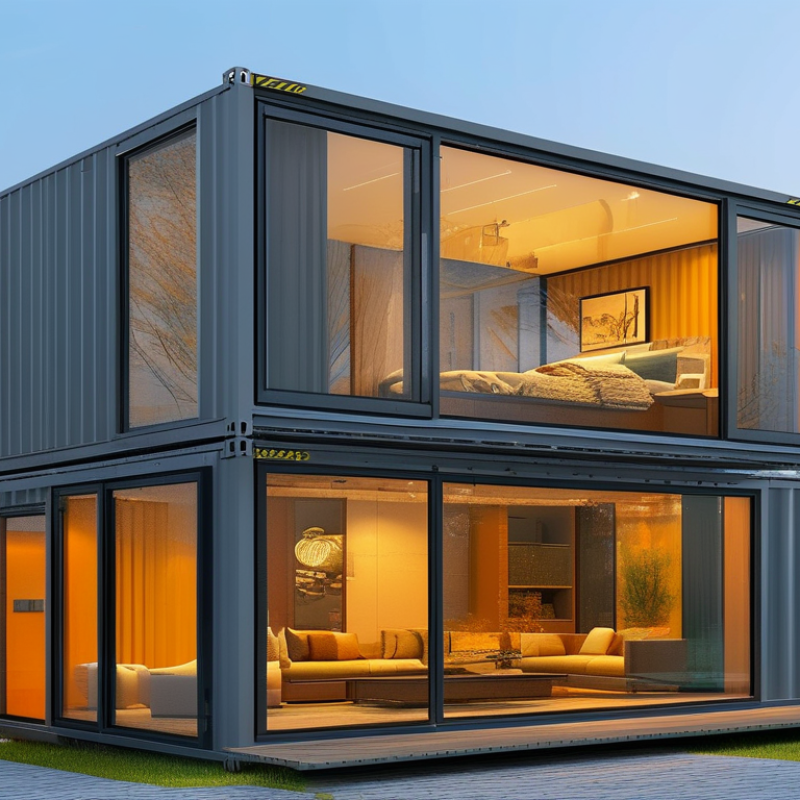
The design features of top Chinese container homes for 2026 reflect a shift towards sustainability and efficiency. These homes compactly utilize space while promoting eco-friendliness. According to industry reports, container homes can reduce carbon emissions by up to 40%. This is a significant consideration in urban areas where space is at a premium. The integration of solar panels into these designs further enhances energy efficiency, providing a nearly self-sufficient living solution.
Clever layouts maximize usability without compromising comfort. The trend showcases multifunctional spaces, such as foldable furniture and hidden storage solutions. On average, container homes maintain a cost of about 25% less than traditional housing, appealing to budget-conscious consumers. However, few designs address the issue of insulation adequately. This shortcoming can lead to discomfort in extreme weather conditions. Additionally, some designs may struggle with aesthetics, often perceived as industrial rather than homely.
Emerging concepts include green roofs and natural ventilation systems, aiming to harmonize with the environment. Reports suggest that consumer interest in these homes is increasing, but challenges remain. Many are skeptical about their long-term durability. Addressing these concerns and refining design elements will be crucial. As container homes gain traction, exploring innovation in design will help ensure they meet the demands of modern living.



 © Copyright 2020 Tianjin Tanghaidongyang Valve Co., Ltd. All Rights Reserved.