How to Select a Reliable Chocolate Processing Plant in China
A reliable chocolate processing plant should prove its performance, not only display polished equipment. The International Cocoa Organization projected a 439,000-tonne cocoa deficit for 2023/24. This pressure makes stable refining, conching, and tempering especially important. Request test records using your recipe, cocoa butter content, and target viscosity. Check whether the plant can maintain temperature within approximately ±1°C during tempering. Small deviations can create dull surfaces, streaks, or unstable snap. Ask for batch samples, cleaning records, and failure reports. Honest factories share weaknesses.
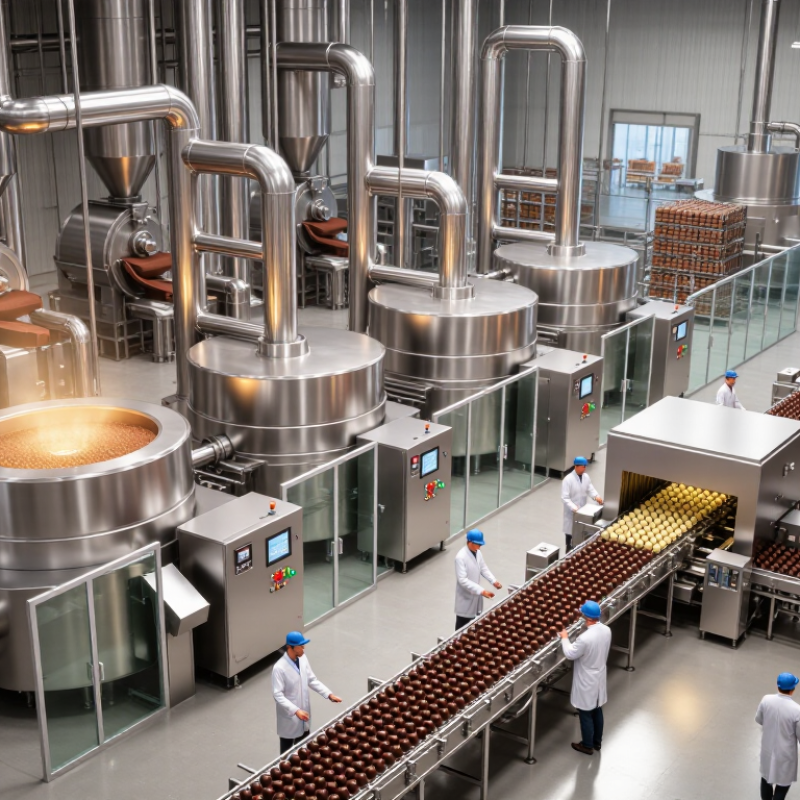
Review the plant’s food-safety system before discussing price. ISO 22000 requires documented hazard controls, traceability, and continual improvement. Confirm stainless-steel contact surfaces, hygienic welds, sealed bearings, and accessible cleaning points. Walk through the production area. Look for chocolate residue around pumps and poorly labeled pipelines. Those details matter more than showroom appearance.
The U.S. Department of Agriculture’s 2024 food-processing outlook emphasizes automation, efficiency, and traceability in modern manufacturing. Therefore, inspect PLC controls, alarm histories, energy monitoring, and spare-parts availability. Ask for the last three years of commissioning references, but verify them independently. A lower quotation may hide weaker insulation, limited after-sales support, or expensive custom parts. This is where buyers often become too optimistic. Request a factory acceptance test before shipment, including throughput, power consumption, noise, and sanitation checks.



 © Copyright 2020 Tianjin Tanghaidongyang Valve Co., Ltd. All Rights Reserved.