What Are the Top Compressor Boring Machine Types in 2026?
How Do These Machine Types Differ in Capacity and Precision?
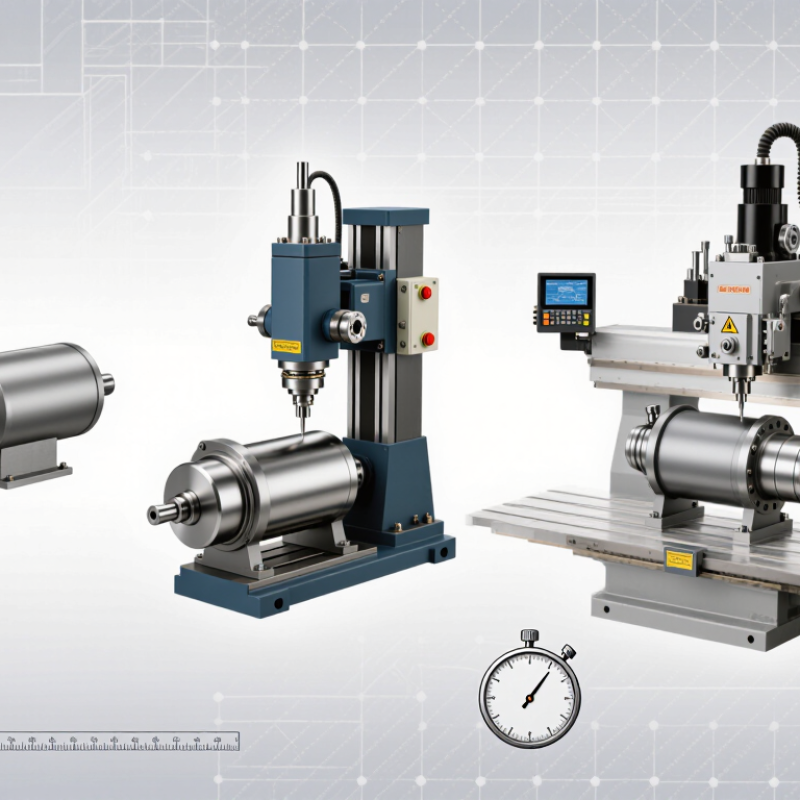
Portable boring machines suit on-site repairs where a compressor housing cannot be moved easily. They handle smaller bores and rely heavily on careful alignment. Vertical boring machines support larger, heavier components, with the workpiece secured on a table. CNC boring machines automate tool movement and can repeat complex measurements more consistently. Setup matters. None is automatically the best choice.
Capacity depends on bore diameter, component weight, tool travel, and available workspace. A large machine may remove more material, but that does not guarantee a tighter finish. Precision also depends on spindle condition, fixture rigidity, cutting speed, and measurement methods. For example, a dial indicator can reveal runout before cutting begins. Small errors add up. Portable units offer access; CNC systems generally offer repeatability, while vertical machines balance support and reach. Actual results vary with operator skill and component condition.
Tips: Match the machine’s working range to the measured bore, not just the compressor’s stated size. Check alignment, vibration, and tool wear before machining. Record measurements at several points; a slightly uneven bore can be easy to miss.



 © Copyright 2020 Tianjin Tanghaidongyang Valve Co., Ltd. All Rights Reserved.