A fan’s environmental impact depends on more than its energy rating. How often it runs, how long it lasts, and whether it suits the room all matter. A well-sized fan on a low setting may use less electricity than a smaller model running at full speed.
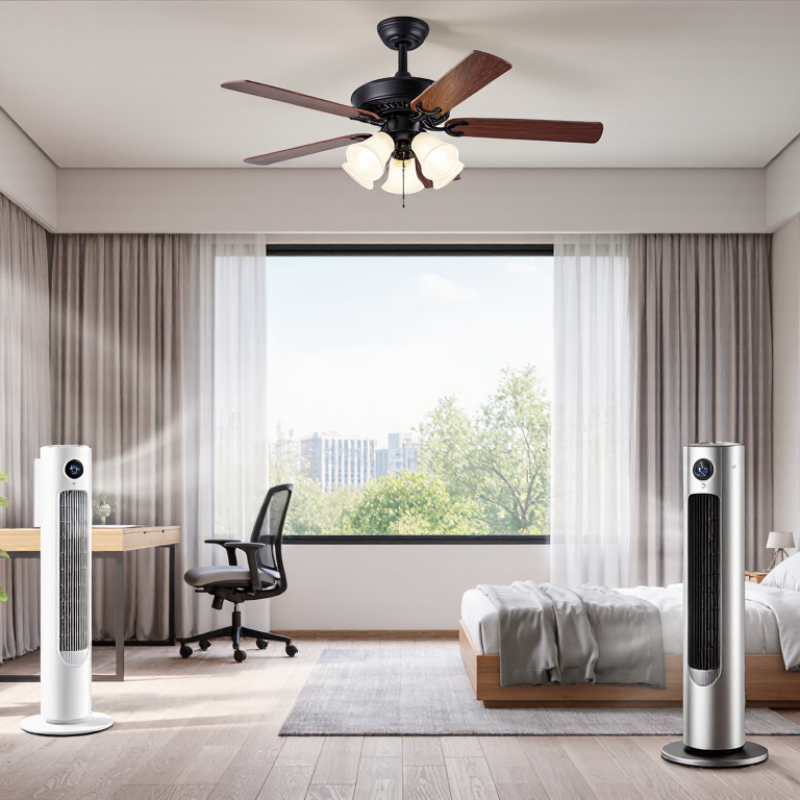
Ceiling fans move air across a broad area and can make occupied rooms feel cooler. In warm weather, this may let you raise the thermostat slightly, though results depend on insulation, humidity, and room layout. Installation takes planning, and a fan is less useful where people rarely gather. Placement matters.
Tower fans have a slim footprint and often include timers or several speed settings, useful in bedrooms and shared spaces. Their narrow airflow may not cool a whole room evenly. Pedestal fans can be aimed at a desk or seating area, while table fans suit close, personal cooling. Both are easy to move, but their benefit drops when they are pointed at an empty space.
Not a perfect fit.
When comparing options, check measured power use, sturdy construction, replaceable parts, and how easily dust can be cleaned from the grille. A durable fan that gets regular use may be the more practical choice, even if its upfront efficiency is not the highest.



 © Copyright 2020 Tianjin Tanghaidongyang Valve Co., Ltd. All Rights Reserved.