| Base Resin Density | Approximately 0.941–0.965 g/cm³ for high-density polyethylene sheet materials | Density influences stiffness, chemical resistance, impact performance, and weight. | Request a material test report and confirm the test method, typically ISO 1183 or ASTM D792. |
| PE100 Grade Availability | PE100 is a polyethylene pressure-pipe grade with a minimum required strength of 10 MPa at 20°C for the relevant pipe classification; sheet suitability must be separately confirmed. | The PE100 designation does not automatically define every sheet property or certify a sheet for pressure-pipe use. | Ask for the resin grade, end-use specification, hydrostatic classification, and independent test documentation. |
| Standard Sheet Thickness | Common commercial ranges include approximately 0.5–100 mm; exact availability depends on the production process and sheet dimensions. | Thickness affects load capacity, fabrication method, weight, and project cost. | Confirm nominal thickness, measured tolerance, flatness, and edge condition on the quotation. |
| Sheet Dimensions | Typical custom formats may include widths around 1,000–2,000 mm and lengths around 2,000–6,000 mm, subject to equipment limits. | Larger formats can reduce joints and fabrication waste. | Request a production-size chart and verify the maximum usable dimensions, not only the nominal dimensions. |
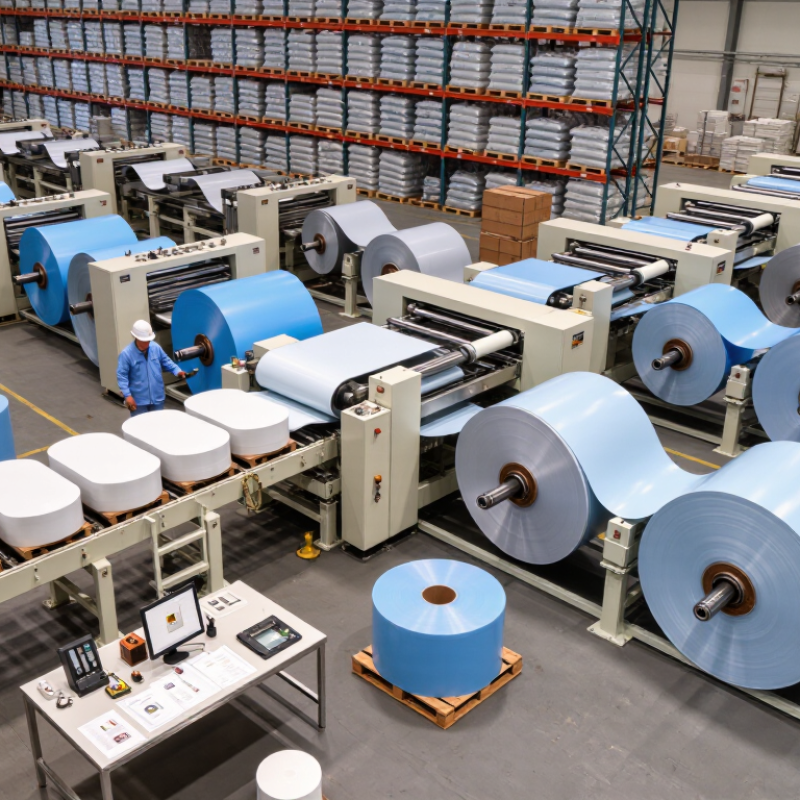
| Manufacturing Process | Extrusion is widely used for continuous sheet production; compression molding may be used for thicker or specialty plates. | Processing method affects internal stress, surface finish, thickness consistency, and machinability. | Request process information, sample sections, dimensional inspection records, and surface photographs. |
| Mechanical Performance | Commonly reviewed properties include tensile strength, elongation, impact resistance, hardness, and flexural modulus. | Performance requirements vary considerably between liners, tanks, cutting boards, wear parts, and fabricated components. | Compare test values using the same standard, specimen direction, temperature, and conditioning method. |
| Operating Temperature | HDPE is commonly used for service temperatures around −50°C to 80°C, with the allowable range depending on load, design, and exposure. | Temperature changes affect stiffness, creep, dimensional stability, and impact behavior. | Obtain a temperature-performance statement for the intended application rather than relying on a general range. |
| Chemical Resistance | HDPE generally offers strong resistance to many acids, alkalis, salts, and aqueous chemicals, but compatibility is concentration- and temperature-dependent. | Chemical compatibility determines service life in tanks, ducts, liners, and industrial equipment. | Check a chemical-resistance chart and obtain application-specific confirmation for solvents, oxidizers, and elevated temperatures. |
| Food-Contact or Potable-Water Use | Only material formulations supported by applicable food-contact or drinking-water regulations should be specified for these uses. | General-purpose HDPE is not automatically approved for regulated contact applications. | Request the relevant declaration of conformity, migration data, and traceability documents. |
| Color and UV Stabilization | Natural, black, white, blue, and other colors may be available; outdoor grades can include UV stabilizers or carbon black. | UV protection helps reduce weathering, but color alone does not prove outdoor durability. | Specify the color standard, additive requirements, outdoor exposure period, and accelerated-weathering evidence. |
| Fabrication Support | Relevant capabilities may include CNC cutting, drilling, bending, welding, routing, and custom machining. | Integrated fabrication can simplify procurement and improve dimensional consistency. | Review drawings, tolerances, weld procedures, first-article samples, and inspection reports. |
| Quality and Traceability | A reliable supplier should identify resin batches, production dates, product dimensions, inspection results, and packaging details. | Traceability supports quality control, corrective action, and repeat purchasing. | Request batch labels, certificates of analysis, inspection plans, and retained-sample procedures. |
| Export and Packaging Capability | Suitable packaging may include protective film, moisture-resistant wrapping, pallets, corner protection, and container-load securing. | Correct packaging reduces scratches, warping, moisture exposure, and transit damage. | Confirm Incoterms, pallet dimensions, loading photographs, shipping marks, and replacement policy for transit damage. |



 © Copyright 2020 Tianjin Tanghaidongyang Valve Co., Ltd. All Rights Reserved.