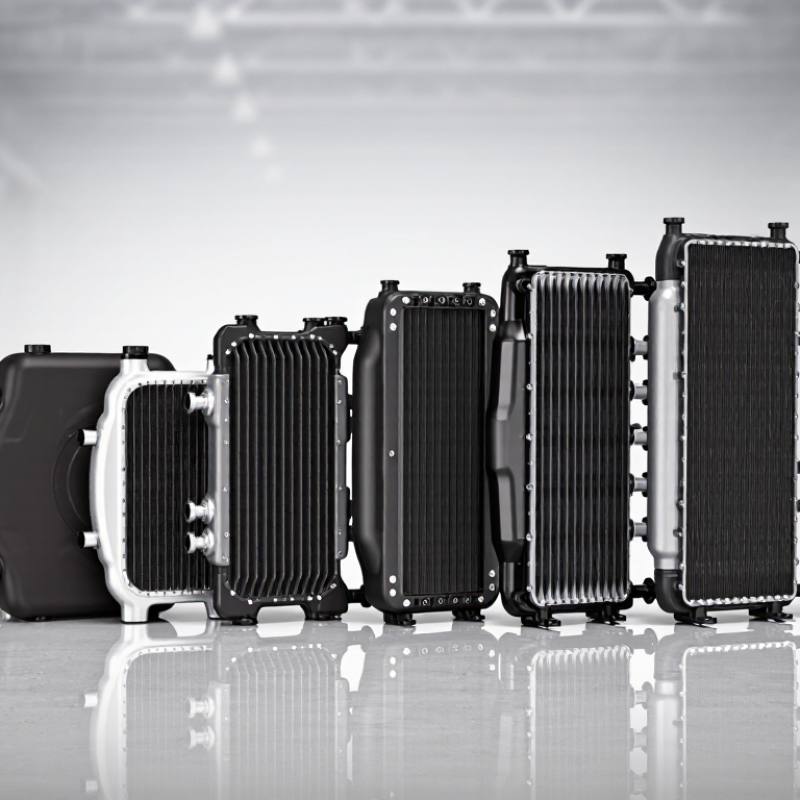
For global buyers, ten heavy-duty truck radiators are worth comparing by fit, cooling capacity, materials, and serviceability—not price alone. Consider direct-fit replacement cores, aluminum and copper-brass designs, different tube-and-fin layouts, and options suited to dusty, humid, or cold routes. Check core dimensions, hose positions, mounting points, pressure limits, and compatibility with the truck’s engine and cooling system. Fit matters.
ACEA’s 2024 Vehicles on European Roads report counted about 6.4 million trucks in the European Union, with an average age of 14.1 years. That aging fleet highlights the value of reliable replacement parts, though European figures cannot represent every market. For each candidate, ask for documented heat-rejection data and pressure-test results under stated conditions.
Compare corrosion protection, vibration resistance, repairability, and access to replacement components. A dense fin pack may look impressive, yet it can collect debris in demanding work environments. Not just price. A tidy specification sheet can also miss real operating conditions, so confirm performance against the truck’s actual duty cycle and local service capacity.



 © Copyright 2020 Tianjin Tanghaidongyang Valve Co., Ltd. All Rights Reserved.