Top 10 Insights What Is A Batch Plant for Global Buyers
In the construction industry, understanding what a batch plant is can significantly impact project efficiency. Renowned expert John Smith, who has over 20 years of experience in construction engineering, believes that "a batch plant is vital for producing quality concrete." This insight reflects the crucial role batch plants play in building reliable infrastructure.
A batch plant is a facility that combines various ingredients to produce concrete in specific portions. It allows for controlled mixing of materials, which enhances the consistency and quality of the final product. Buyers should note the importance of selecting the right batch plant for their needs. Every project has unique requirements, and not all batch plants are created equal.
Furthermore, the choice of a batch plant can influence project timelines and costs. Some may underestimate the complexities involved in selecting a suitable plant. With a proper understanding of what a batch plant is, buyers can make informed decisions. Investing time in research and consultation can ultimately lead to better construction outcomes.
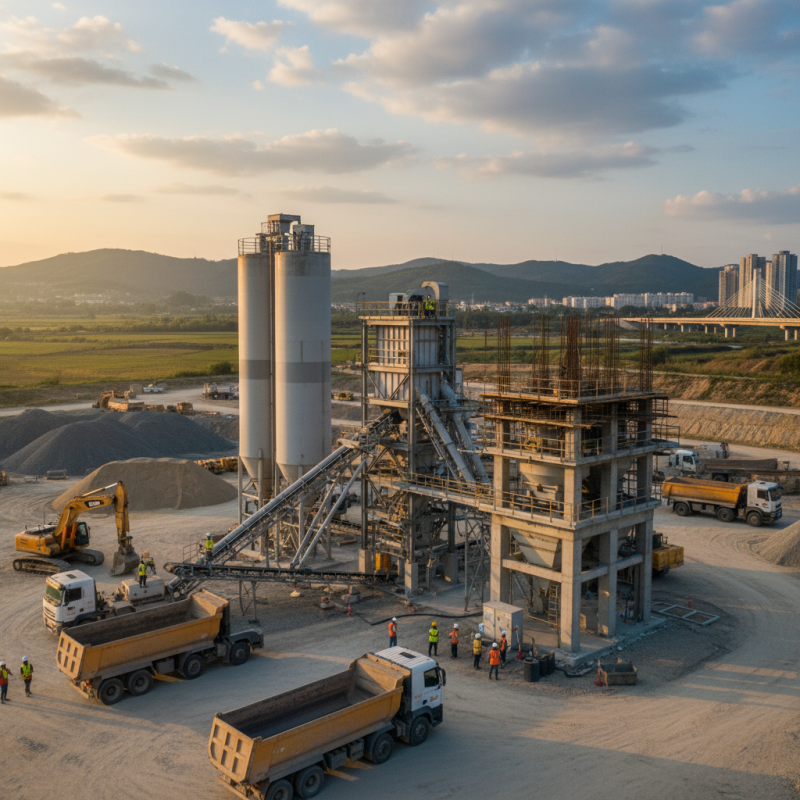
What Is a Batch Plant? Definition and Functionality Explained
A batch plant is a facility that produces concrete or other materials in discrete quantities. It's designed for efficiency and precision. The primary function of a batch plant is to mix raw materials—such as aggregates, cement, and water—into a specific formulation. Precision is crucial, as the quality of the final product relies heavily on the accuracy of the mix.
According to industry data, batch plants account for approximately 70% of the concrete industry in North America. This statistic underscores their importance and widespread use. Moreover, advances in technology are leading to smarter batch plants. For instance, automated systems allow for real-time monitoring and adjustments during the mixing process. Such innovations help reduce waste, improve quality, and enhance productivity. However, the transition to these advanced systems can be costly and requires skilled personnel.
Despite the benefits, challenges persist in operating a batch plant. Maintaining consistent quality while meeting varying demand is a constant struggle. Additionally, environmental regulations require more attention. Producers must invest in sustainable practices to avoid penalties. These aspects highlight the need for continuous assessment and improvement in batch plant operations.
Key Components of Batch Plants: Equipment and Technology Overview
Batch plants are essential for various industries, including construction and manufacturing. They provide a systematic approach for mixing raw materials, ensuring consistent quality. The primary components of a batch plant are crucial for its efficiency and reliability.
The weighing system is fundamental. It accurately measures the materials before mixing. This system can significantly affect the final product’s quality if not calibrated accurately. Additionally, mixers play a vital role. Different types of mixers, such as paddle or drum mixers, cater to specific materials. Each type offers distinct advantages, but choosing the wrong one can lead to inconsistent batches.
Storage silos are another key element. They keep aggregate materials ready for use. Proper storage prevents contamination and maintains material quality. However, managing these silos requires careful planning. Regular checks and maintenance are necessary to prevent blockages. Automation technology is also becoming more integrated into batch plants. This enhances precision but adds complexity. Effective staff training is crucial to navigate this technology. Balancing innovation and traditional practices can be challenging but rewarding.
Top 10 Insights What Is A Batch Plant for Global Buyers - Key Components of Batch Plants: Equipment and Technology Overview
| Component | Description | Function | Technologies Used |
| Mixing Unit | Responsible for blending raw materials | Ensures uniformity of mixtures | Batch mixers, twin-shaft mixers |
| Aggregate Bins | Storage for raw aggregate materials | Facilitates organized material flow | Automatic feed systems |
| Cement Silos | Storage units for cement | Keeps cement dry and readily available | Aeration and dust control systems |
| Control System | Monitors and regulates batch processes | Ensures accurate mixes and process efficiency | PLC, SCADA systems |
| Water Supply System | Delivers water to mixtures | Essential for achieving desired consistency | Flow meters, dosing pumps |
| Discharge System | Facilitates the transfer of mixtures | Ensures timely delivery of finished product | Augers, conveyors |
| Dust Collection System | Minimizes airborne dust from operations | Enhances workplace safety and compliance | Filters, cyclones |
| Maintenance Access | Design features for easy maintenance | Ensures reliability and efficiency | Modular design, safety ladders |
| Batch Software | Manages recipes and production schedules | Increases operational efficiency | Cloud-based platforms, integration APIs |
Market Trends: Global Demand for Batch Plants in Construction Industry
The demand for batch plants in the construction industry is rising globally. This surge reflects the need for efficient and consistent production of construction materials. As infrastructure projects increase worldwide, batch plants offer a reliable solution. They ensure that concrete and other materials are produced to exact specifications, enhancing project quality.
However, challenges exist in this booming market. The initial investment for batch plants can be high. Many buyers grapple with selecting the right technology for their needs. Additionally, regulatory standards vary across regions, complicating compliance. Buyers must navigate these complexities while striving for sustainability in their operations.
Market trends indicate a growing emphasis on automation and digitization within batch plants. Automation can enhance production rates, reduce labor costs, and minimize human error. Yet, the transition may be daunting for traditional operators. Adapting to these innovations demands training and investment. The path to modernization is not seamless, requiring careful planning and execution.
Efficiency Metrics: Analyzing Batch Plant Production Rates and Outputs
Batch plants are essential for industries requiring large-scale production. They enable efficient mixing and blending of ingredients in a controlled environment. According to recent industry reports, a well-optimized batch plant can achieve production rates of up to 250 tons per hour. This efficiency helps organizations meet demand while minimizing waste.
Production metrics like cycle time and output rate are critical for evaluating plant performance. A study indicates that average cycle times can range from 30 to 60 minutes, depending on the complexity of the mix. Analyzing these metrics reveals potential bottlenecks. Addressing them can significantly enhance throughput. For example, a reduction in cycle time by just 10% can lead to an increase in annual output exceeding 500 tons, indicating room for improvement.
Moreover, the hybrid approach combining batch and continuous processes shows promise. It can lead to increased flexibility and responsiveness in production. However, integrating such systems requires careful planning. Organizations often face challenges adapting existing setups to new technologies. Identifying and addressing these deficiencies directly impacts overall efficiency. Continuous evaluation and adjustments are vital for maintaining optimal production rates and outputs.
Technical Innovations: Future Technologies Shaping Batch Plant Operations
The future of batch plant operations lies in cutting-edge technologies that boost efficiency and sustainability. Automation is a game-changer. With advanced robotics, tasks that once took manpower can now be done with precision. This shift reduces errors and increases productivity on the production line. Moreover, artificial intelligence can analyze data in real-time. It predicts maintenance needs and optimizes processes.
Sustainability is also a focus. Batch plants are adopting eco-friendly technologies to minimize waste. Innovative mixing techniques reduce material loss. Smart resource management is vital. Energy-efficient systems are becoming standard. Yet, challenges exist. Implementing new technologies can be costly and complex. Training staff to adapt can also be a hurdle. As batch plants evolve, the balance between technology, costs, and staff readiness will shape their future.


 © Copyright 2020 Tianjin Tanghaidongyang Valve Co., Ltd. All Rights Reserved.